Mozambique Tidal Pool
- Hits: 3
The Portuguese colonials in Mozambique were very fond of swimming, a fact reflected in the many colonial-era swimming pools found throughout Mozambique and Angola. Most are now defunct, but the remains of some are still visible today. Click here to see them on a map →
Although there are ocean tidal pools in Portugal, as well as in the colonies of Cape Verde and Guinea-Bissau, there are no tidal pools along the coast of either of the Portuguese colonies in southern Africa.
Built in 1922, the Polana Hotel was the brainchild of Lourenço Marques, a 16th-century trader and explorer after whom the capital was previously named, who wished to transform the city into a second Monte Carlo. After a period of decline, the hotel, in 2010, it completed a major $25-million refurbishment that modernised its facilities while preserving its historic architecture.
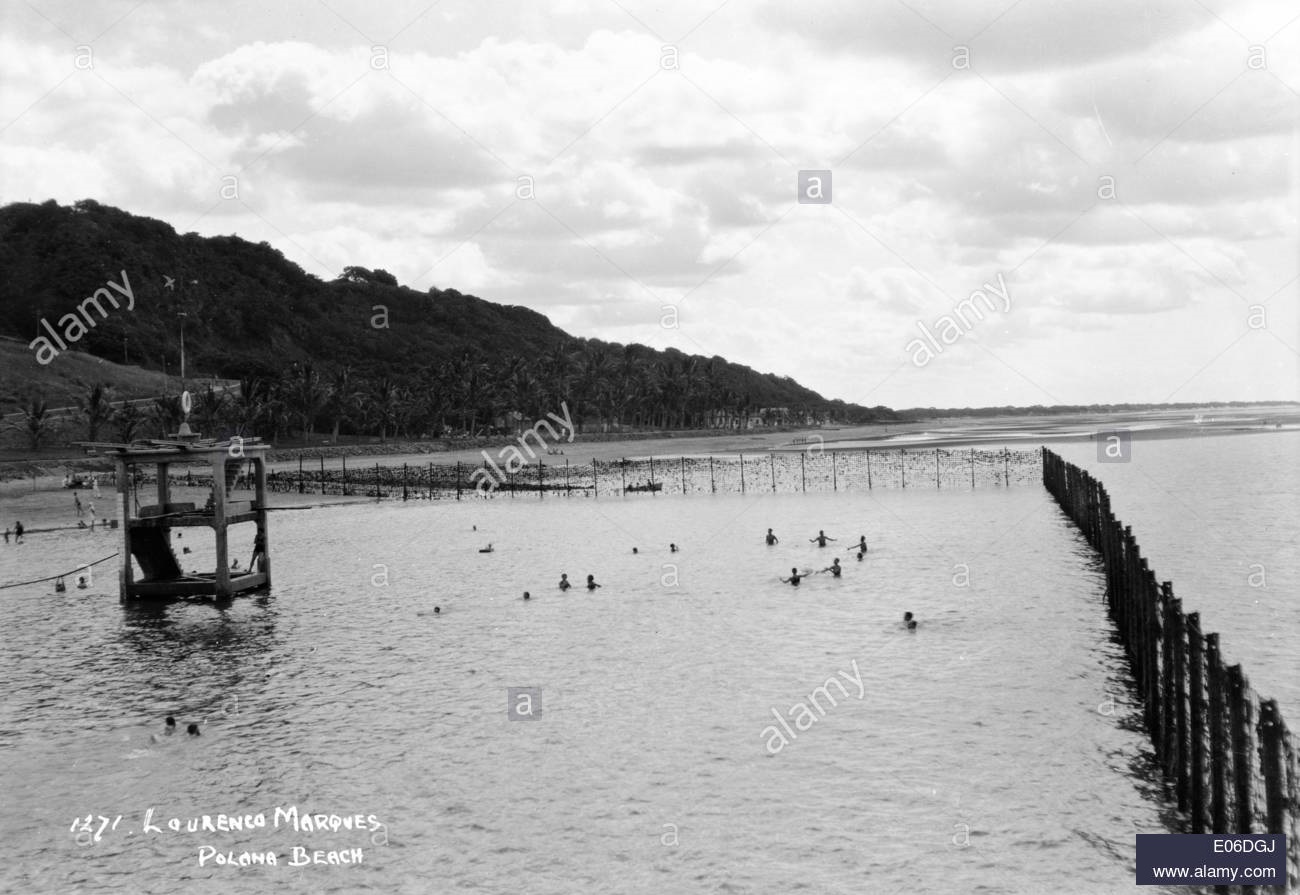
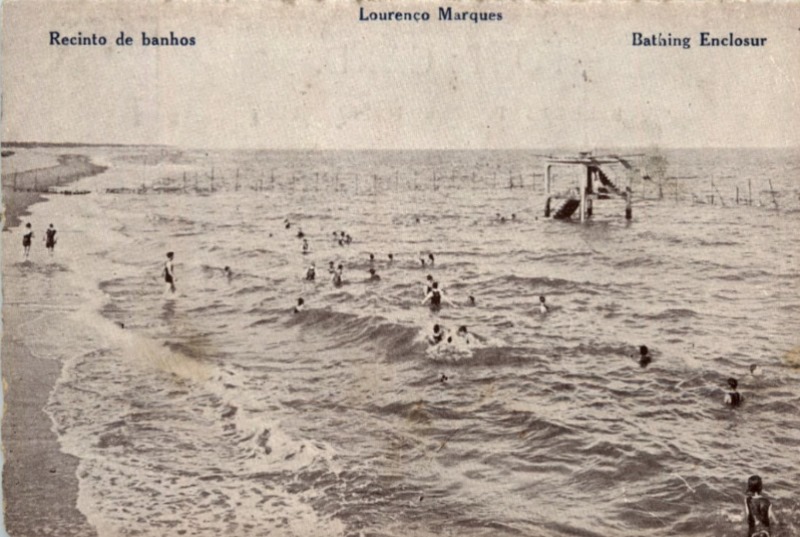
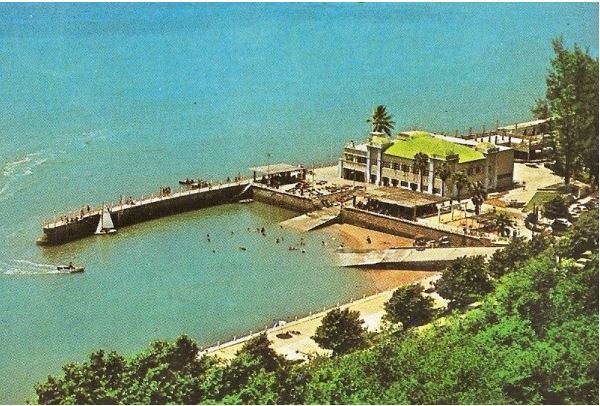
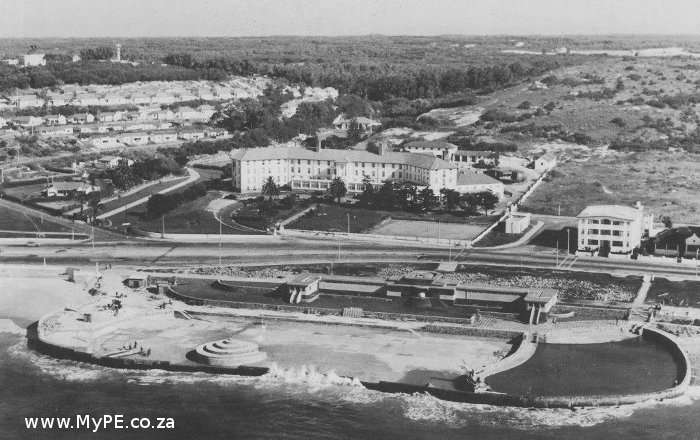
The Polana Hotel was once associated with a shark-net enclosure at the adjacent Polana Beach. While the hotel itself is famous for its iconic circular garden pool built in 1922, guests often bathed in the sea within the protected area, where a net was erected around the old bathing grounds to protect swimmers from sharks in the bay.
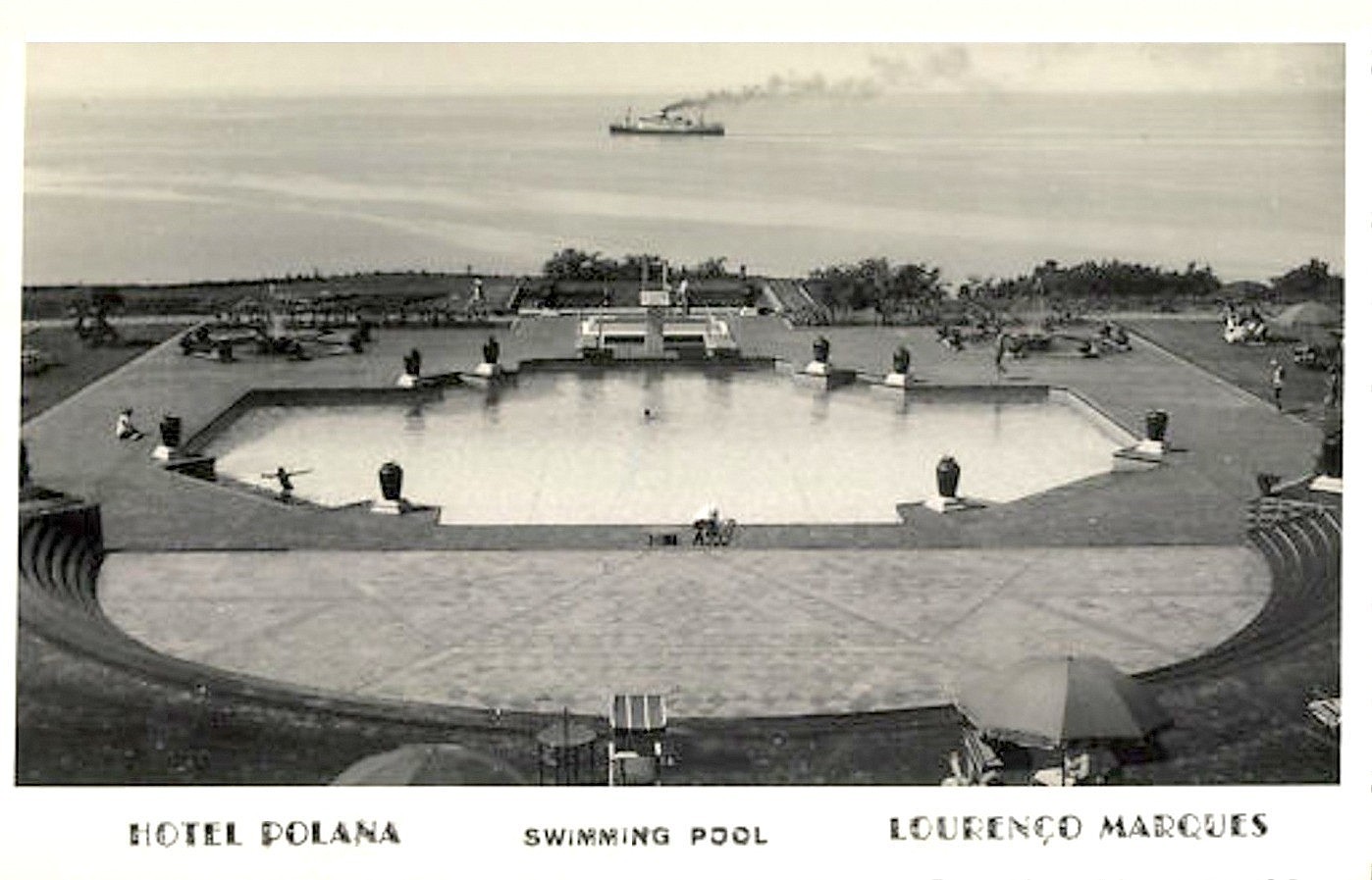
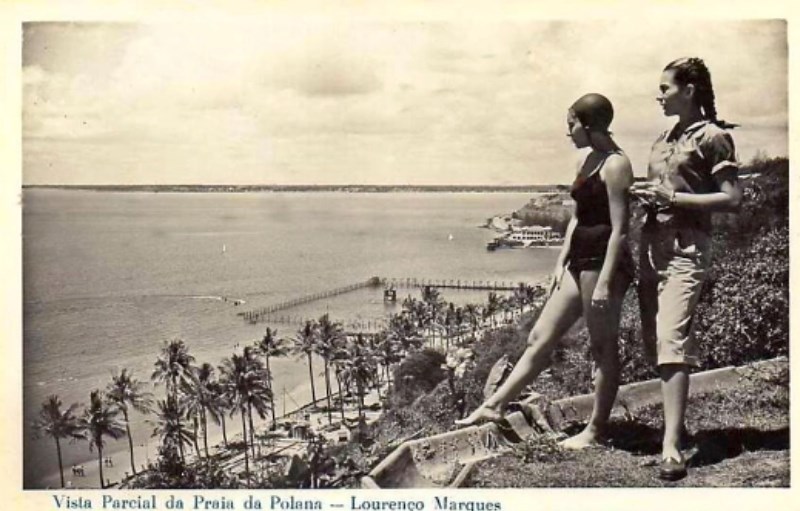
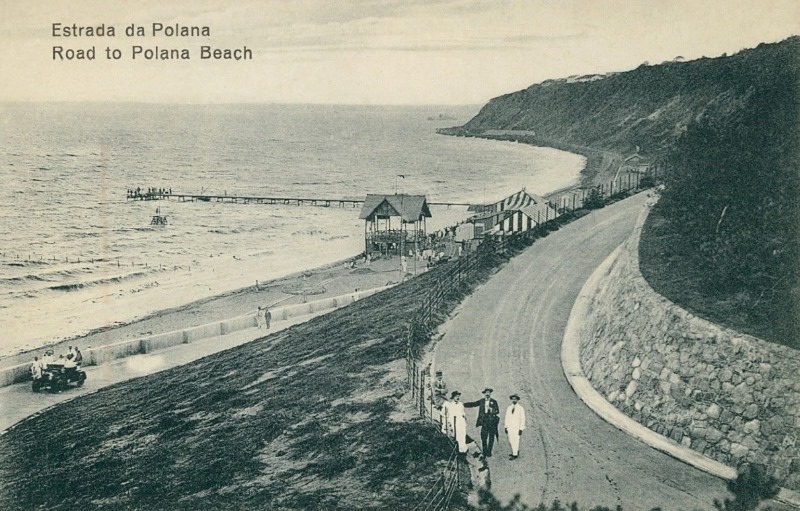
In 1910, a road was built down to Polana Beach, followed by a railway line and a station the next year.
The enclosure was situated near the Pavilhão de Chá (Tea Pavilion), which was also built around 1922 as part of the hotel's beachfront amenities. The enclosure featured a wooden three-level coastal diving board, which was later replaced by a more modern concrete platform used only during high tide.
The enclosure fell into disuse in the early 1960s. In the 1950s, due to barriers and dredging in the bay for access to the port, the sand on this beach practically disappeared, and people started using the beaches further north, towards the Costa do Sol.
Today, only rusted reinforced remains are visible during low tide, as the original beach area has changed significantly over the decades.
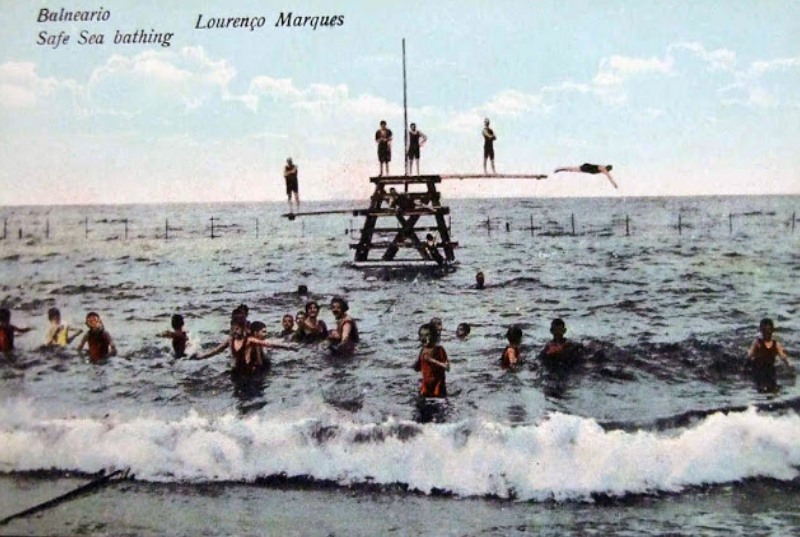
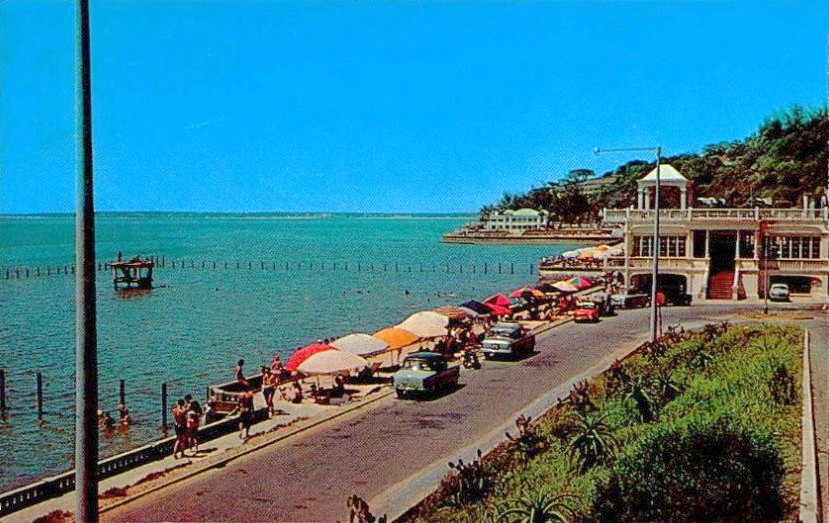
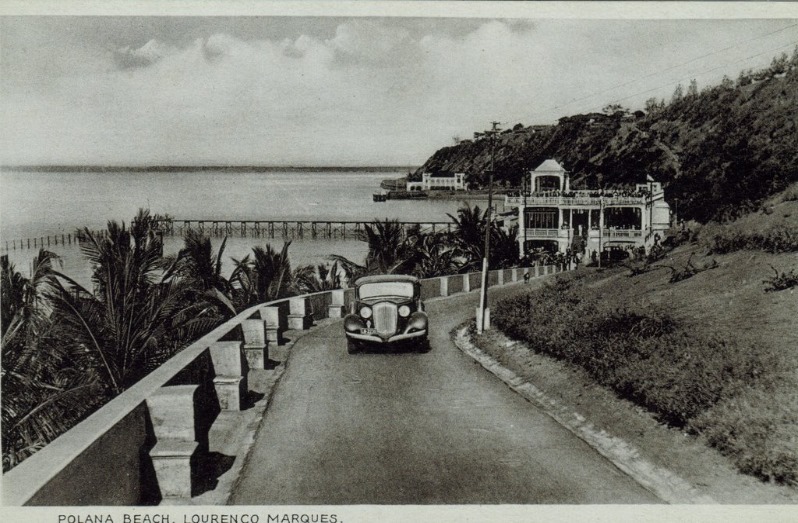
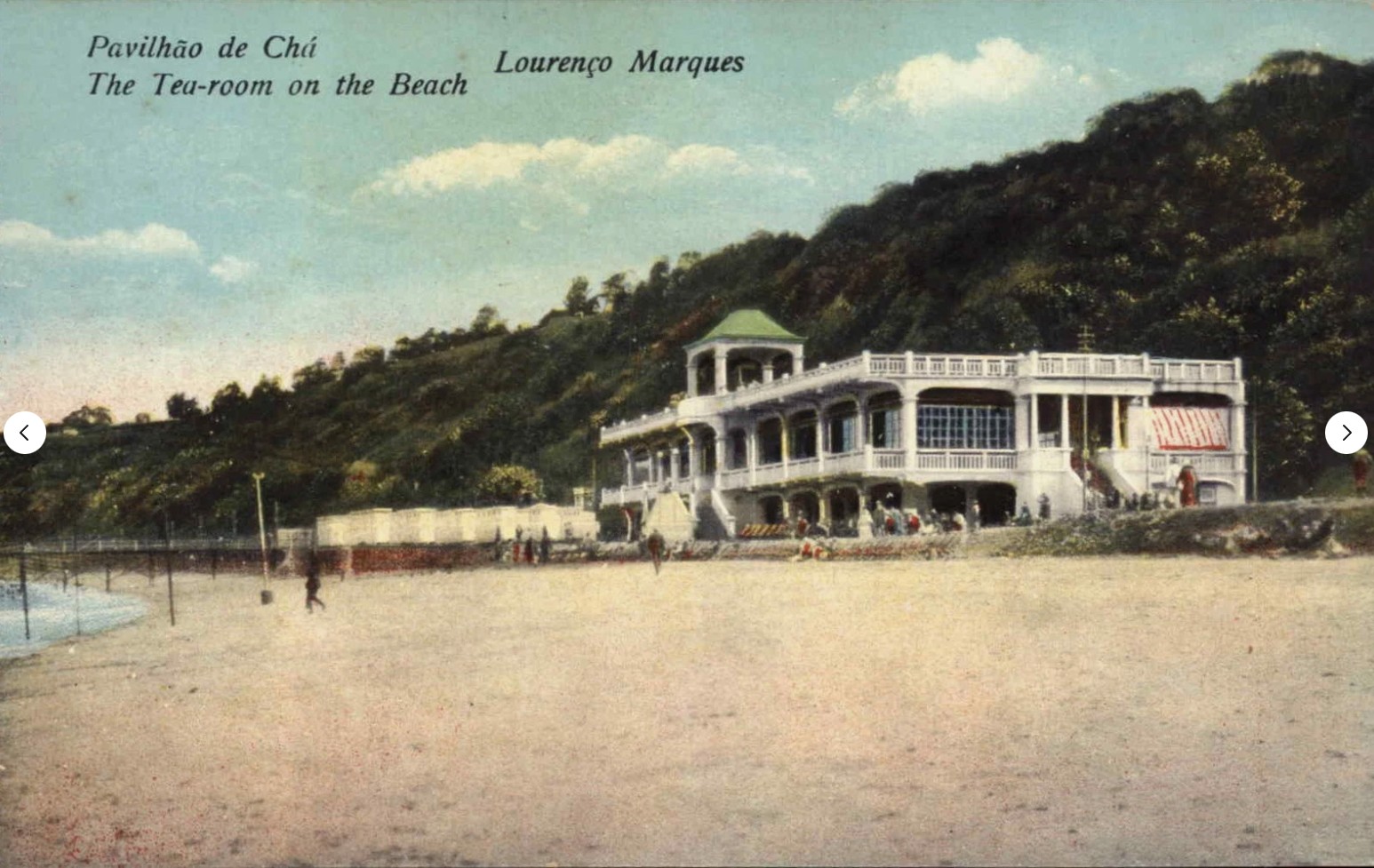
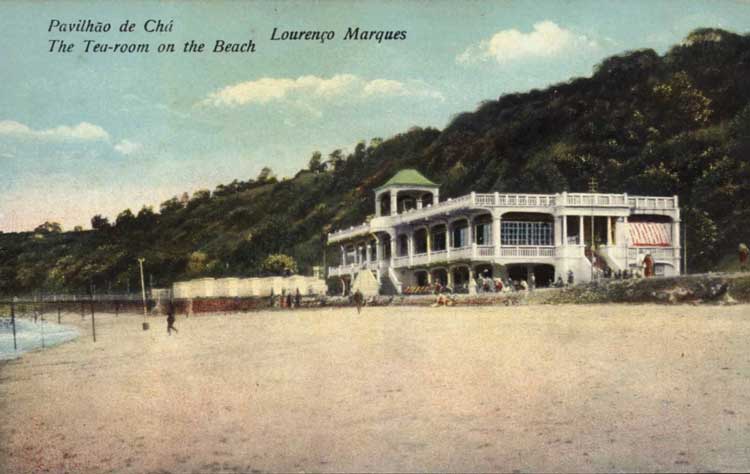
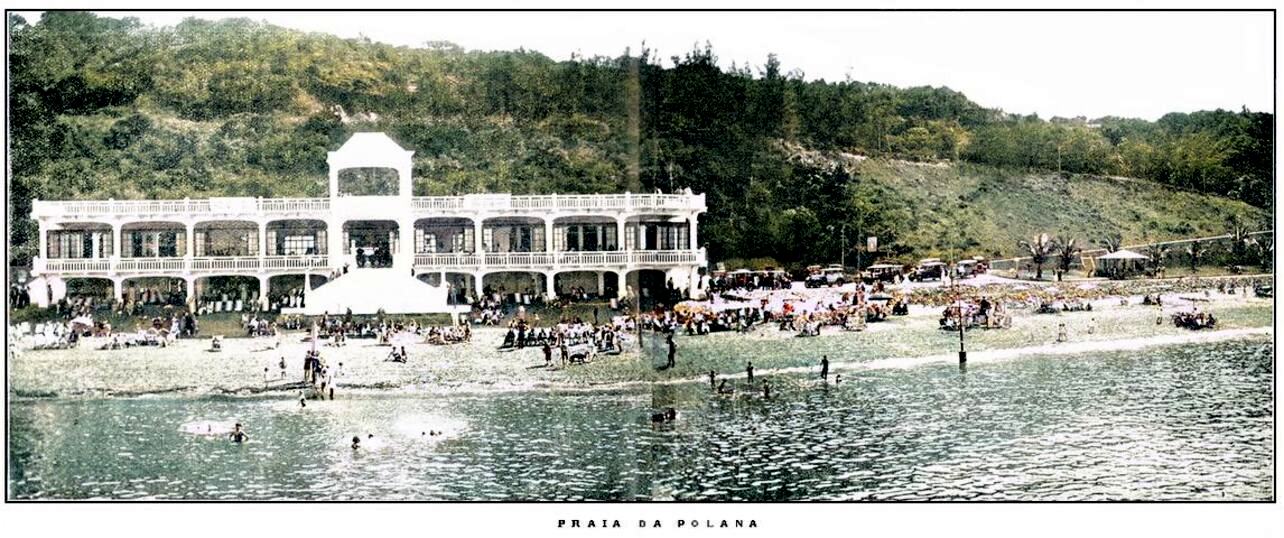
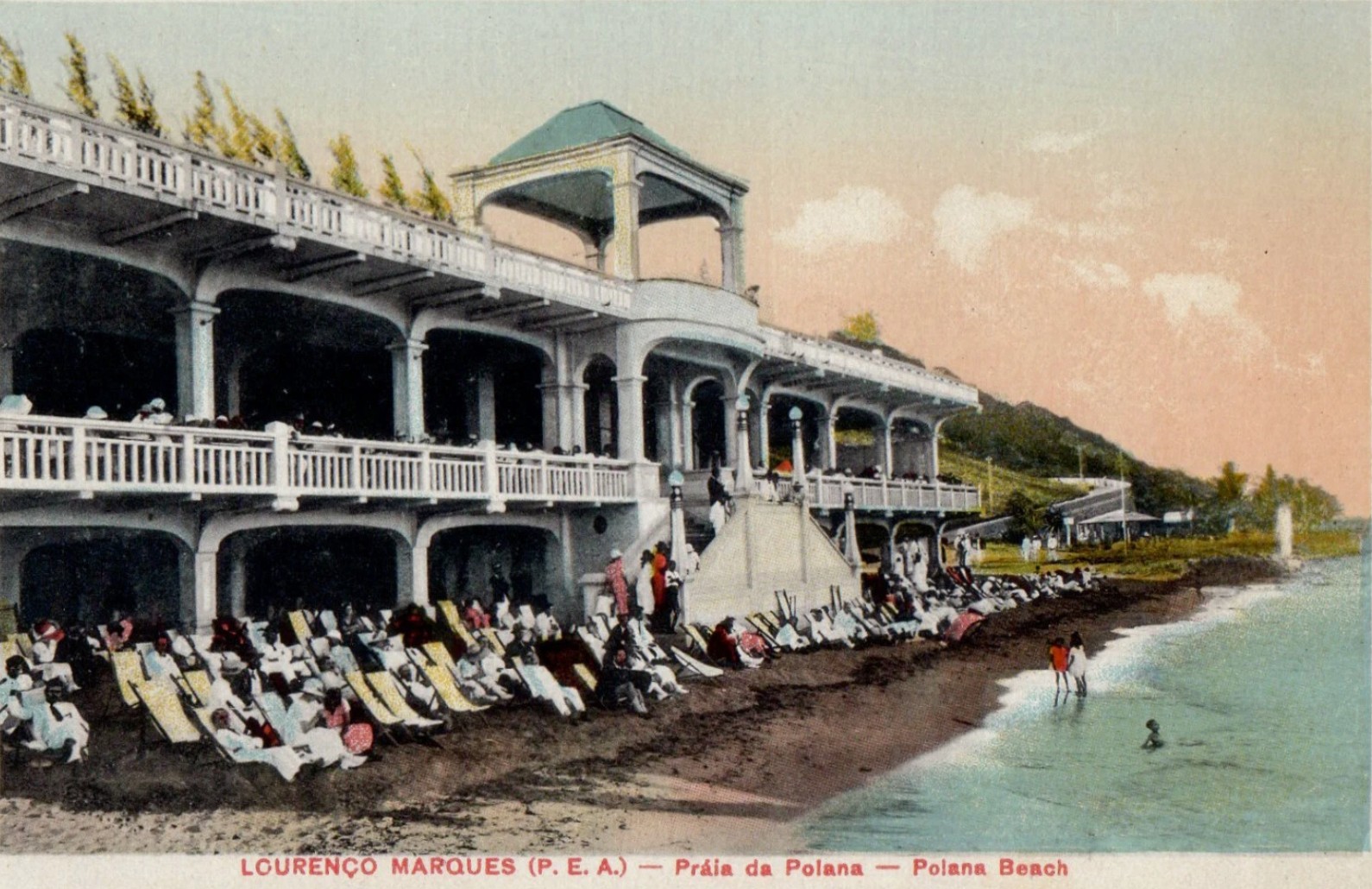
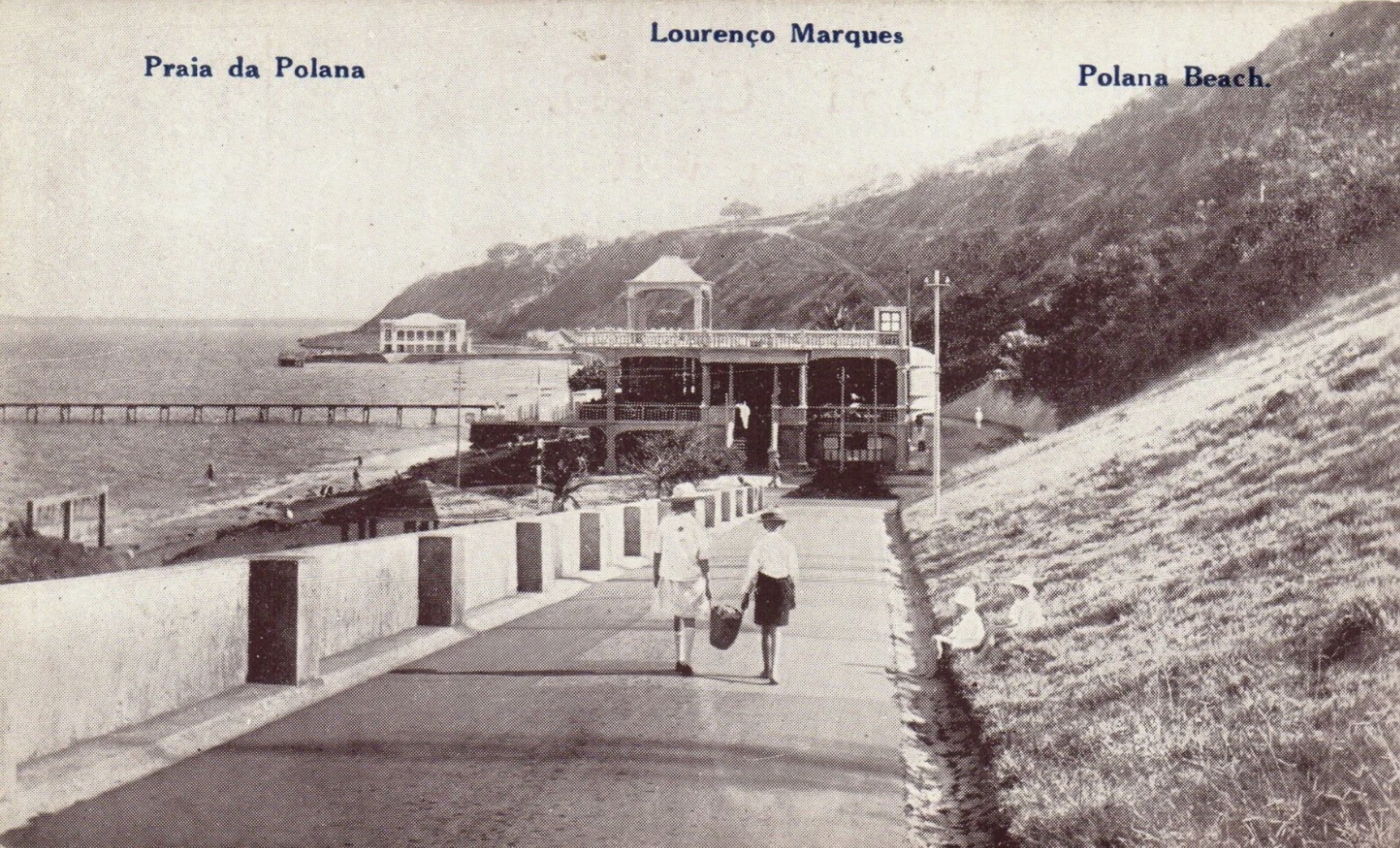
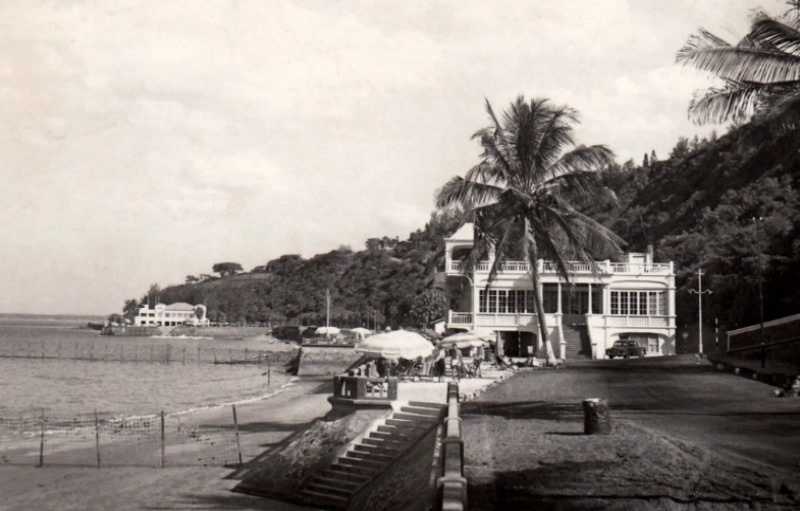
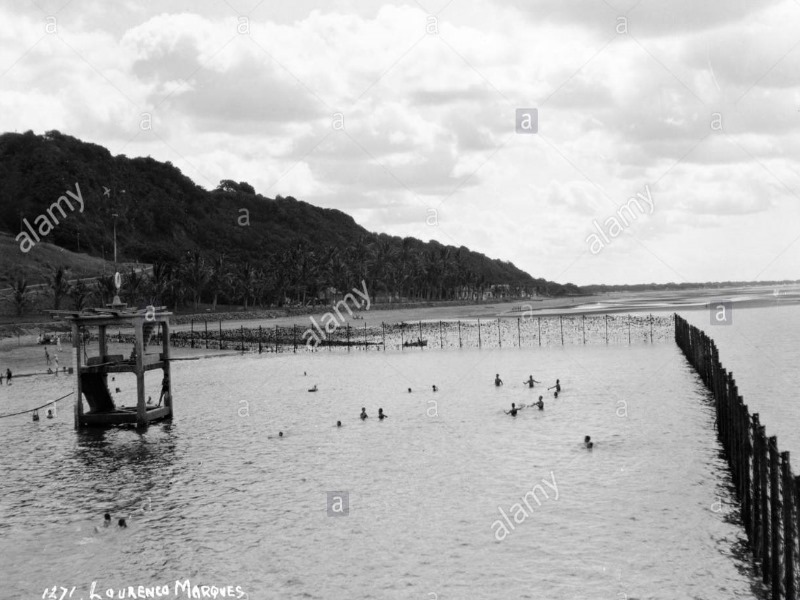
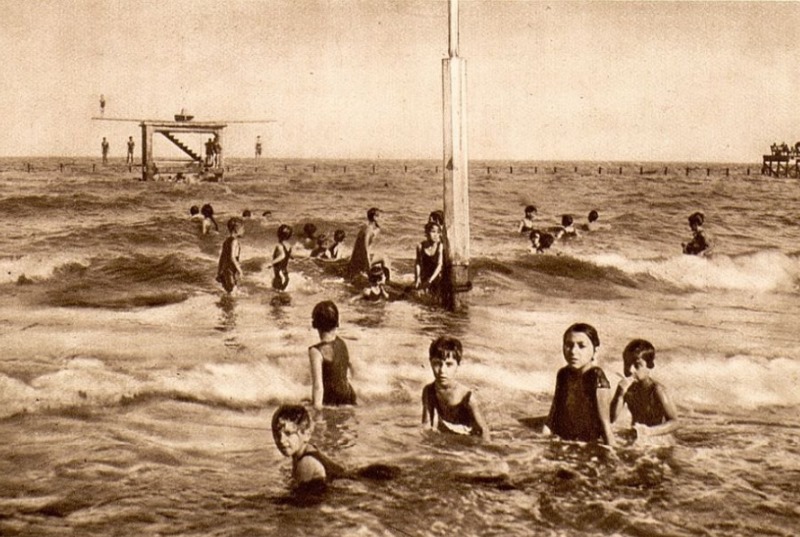
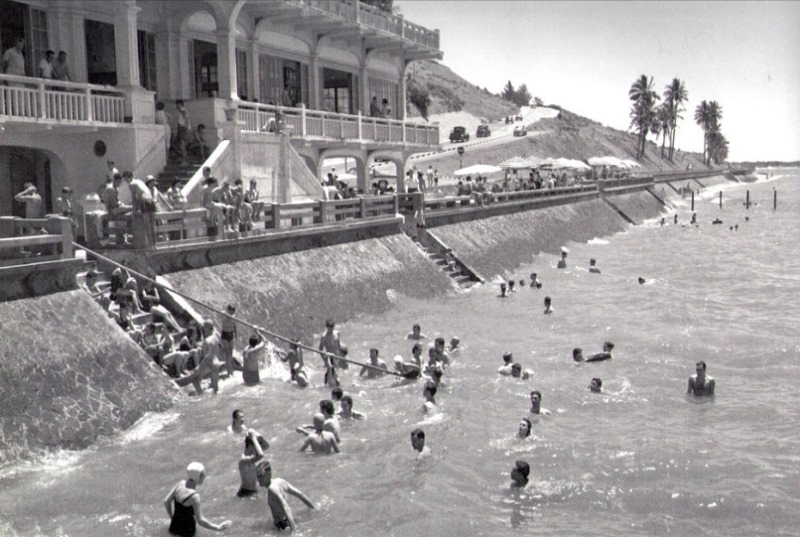
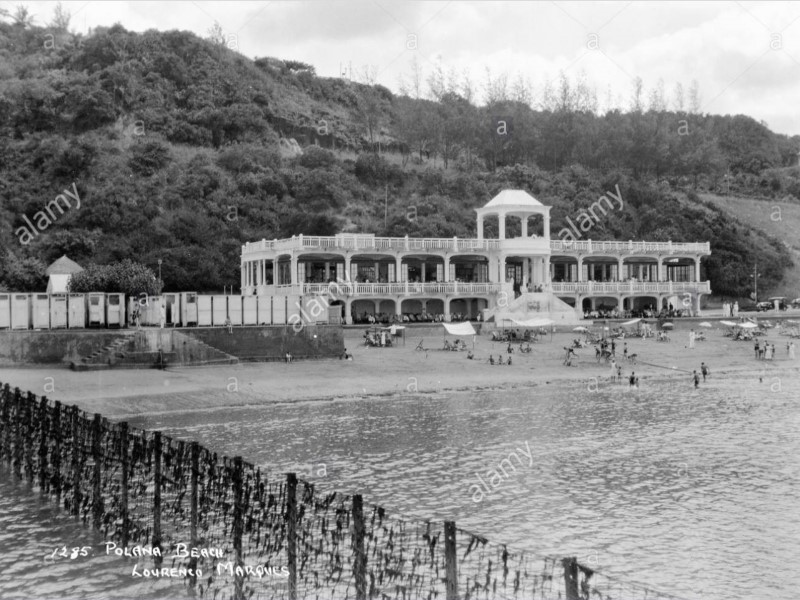
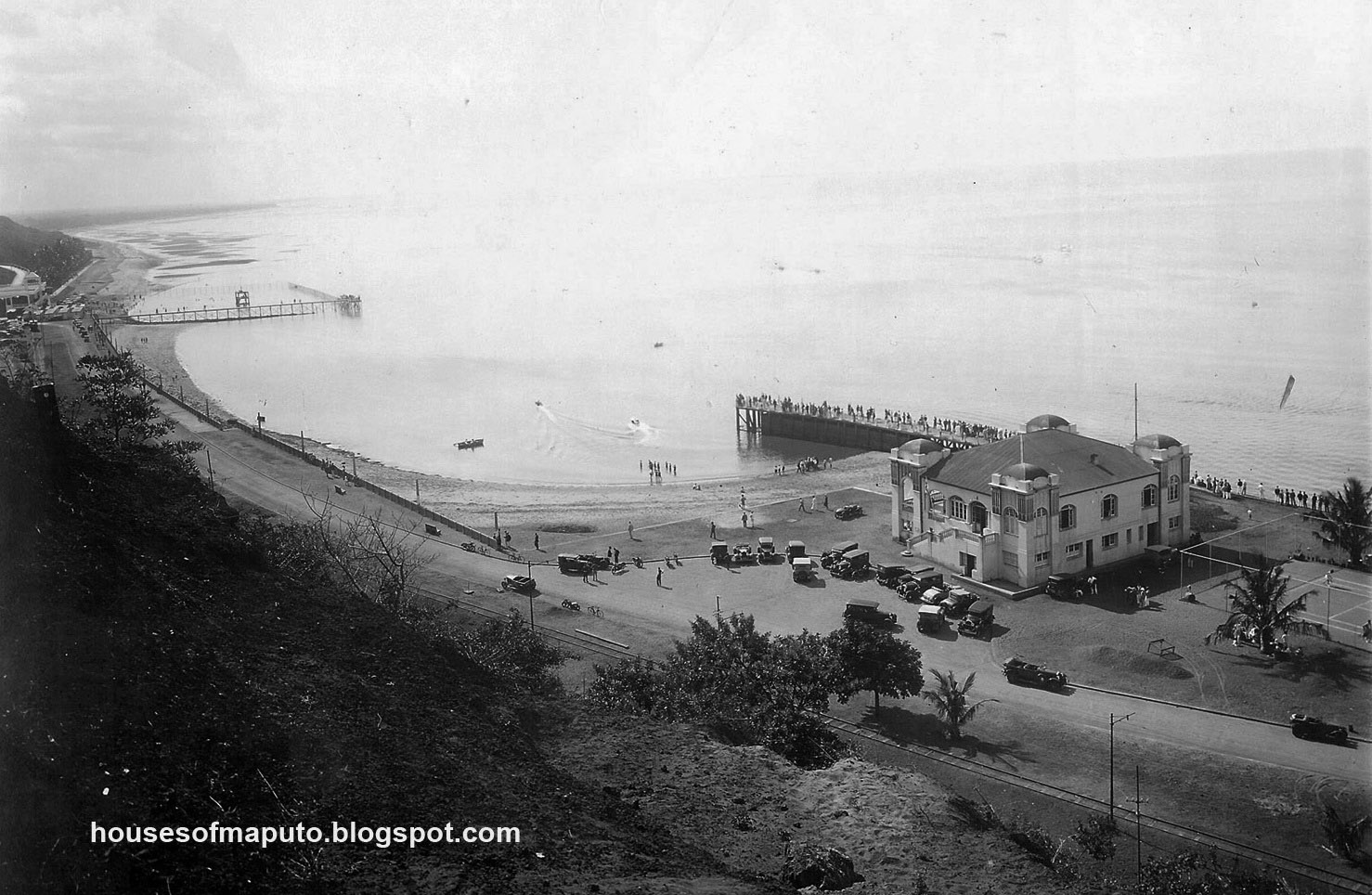
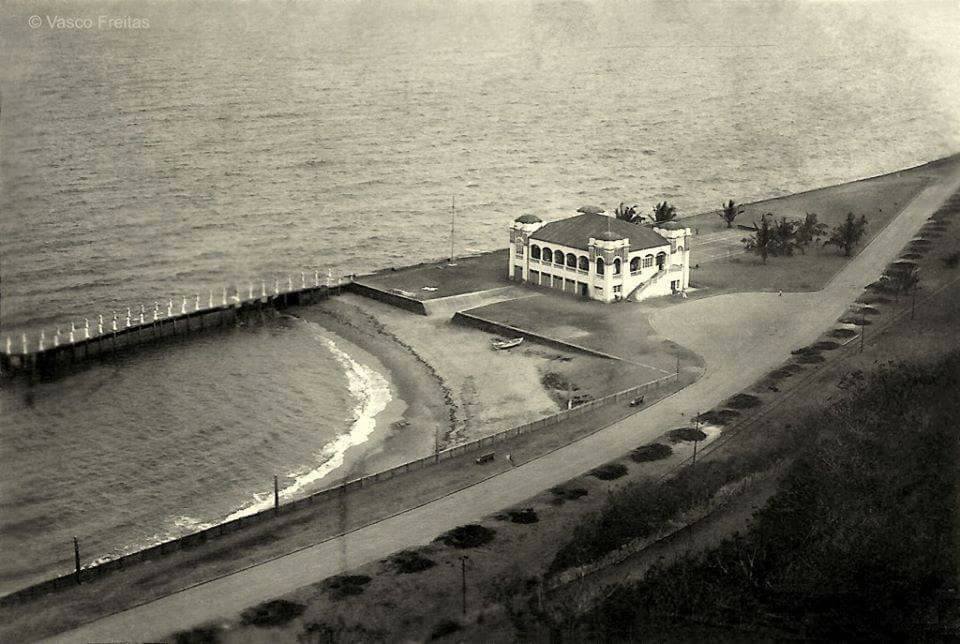
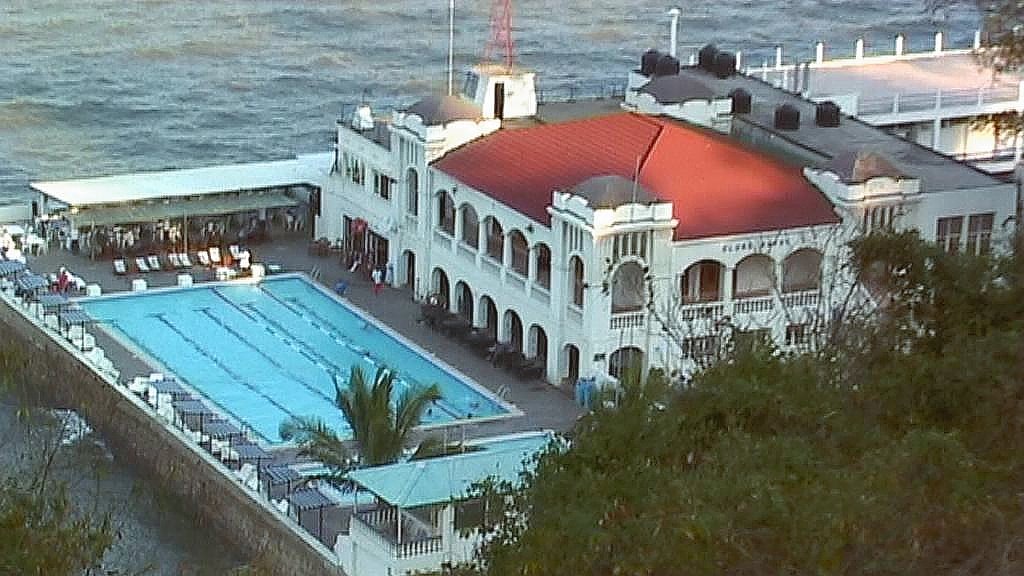
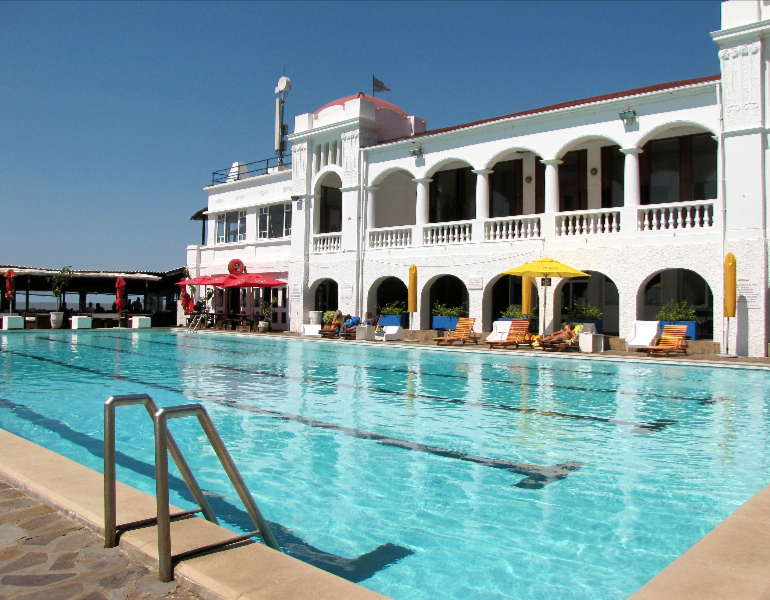
The iconic clubhouse was built in 1919, with architecture is similar to the 1922 Polana Hotel, as well as the Tea House on Polana Beach.
The initial clubhouse with the Polana Beach swimming enclosure in the background.
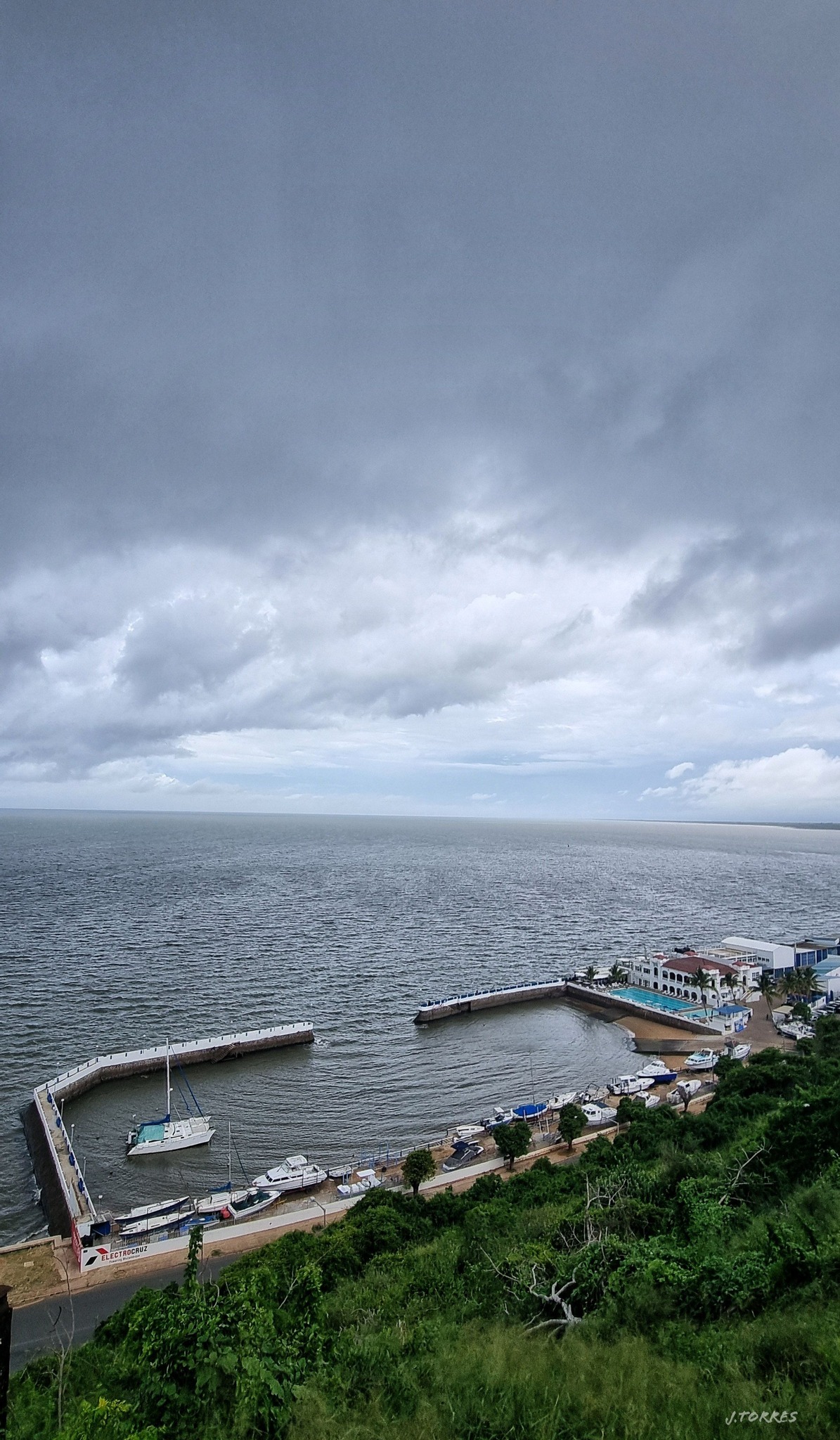
A swimming pool was added in 1974. It is a saltwater 25m pool, which is used by a swimming club.
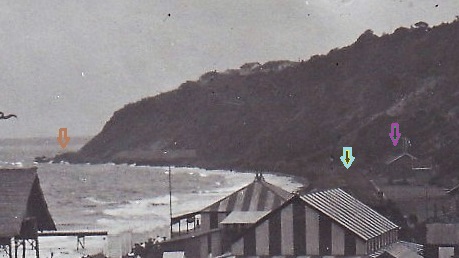
The Naval Club (Grémio Nautico) did not yet exist, as this building dates from 1919, and it becomes clear that it was built on landfill in the curve that the bay's coast made (left yellow arrow), a little beyond the station at Polana Beach. Read more here →
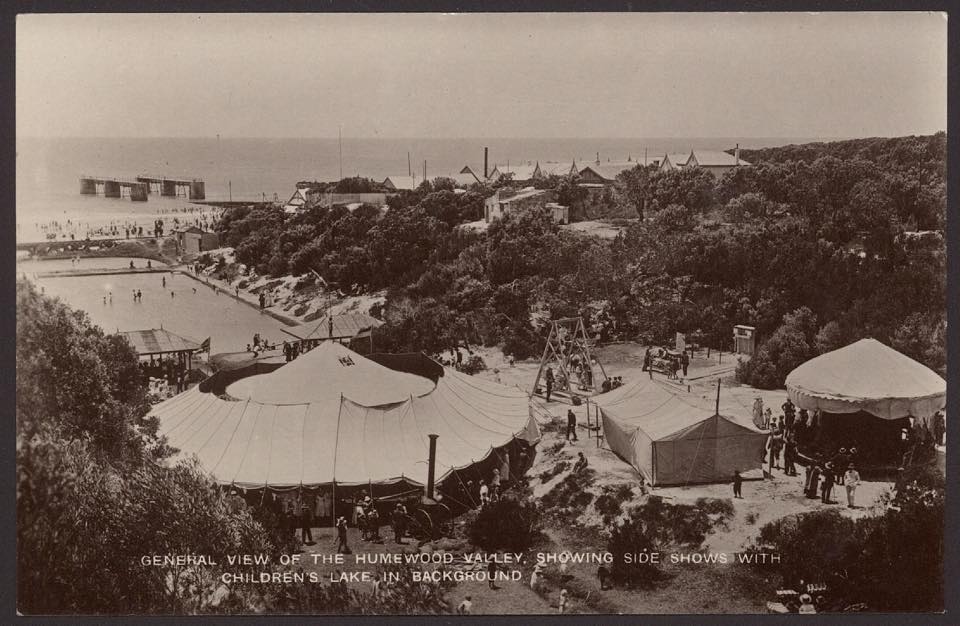
Here are several articles dedicated to Humewood.
1. Port Elizabeth of Yore: Life at Humewood in the 1920s, 30s & 40s
2. Port Elizabeth of Yore: The Changing Face of Happy Valley and Humewood Beach
3. Port Elizabeth of Yore: The Tin Hat on the Humewood Promenade
4. Port Elizabeth of Yore: The Railway Line to Humewood and the Driftsands →
5. Port Elizabeth of Yore: Alfred Brookes-Humewood’s Benefactor
6. Port Elizabeth of Yore: When Beach Holidays meant Camping even at Humewood
7. Lost Artefacts of Port Elizabeth: The Bathing House at Humewood
8. https://thecasualobserver.co.za/lost-artefacts-port-elizabeth-bathing-house-humewood-beach/
9. Port Elizabeth of Yore: The McArthur Baths
10. Port Elizabeth of Yore: Swimming Practices and Locations
11. Port Elizabeth of Yore: Swimming at the Breakwater
Another local blog, with a focus on surfing, is Miller's Local .
The home of Port Elizabeth surfing. Keep up to date with all the surf news from the Eastern Cape. Local is lekker, being a Bay surfer is better!
1. The History of Humewood Pillars
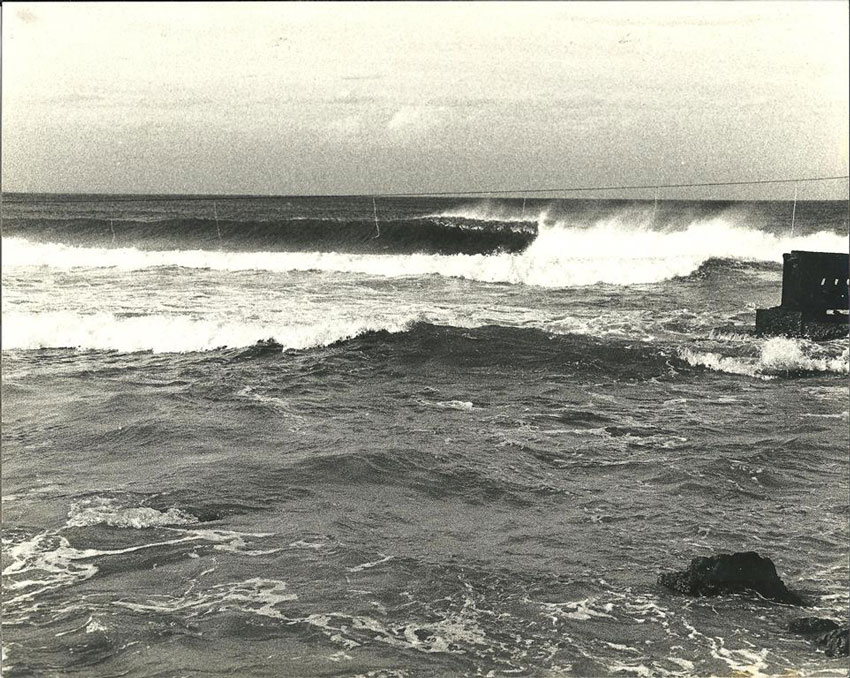
1. Then and Now: The Humewood Slipway
Please visit these sites for much more information about Humewood history.
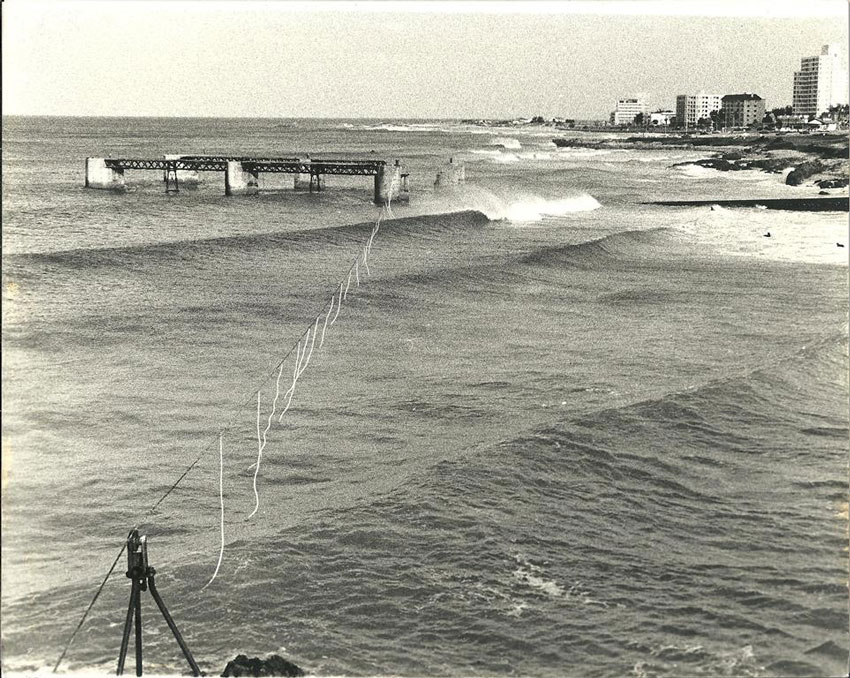
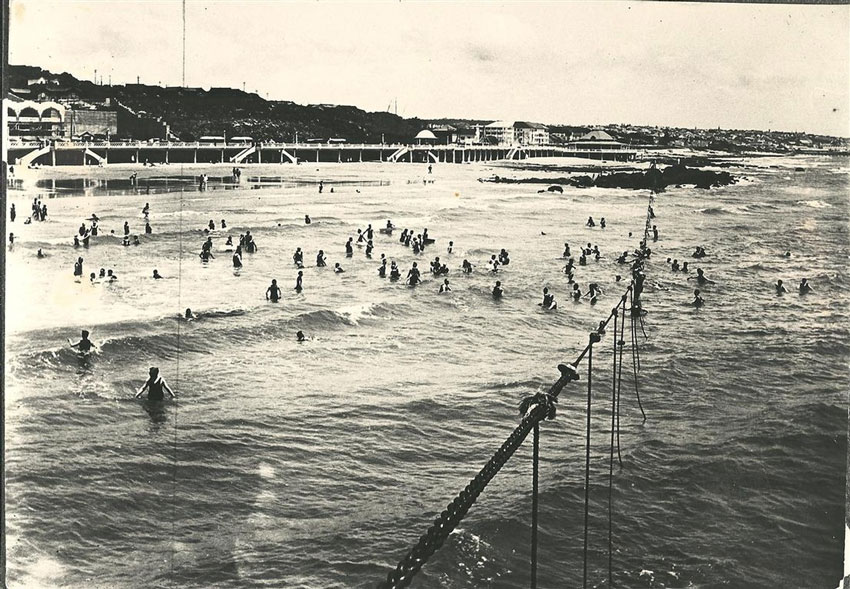
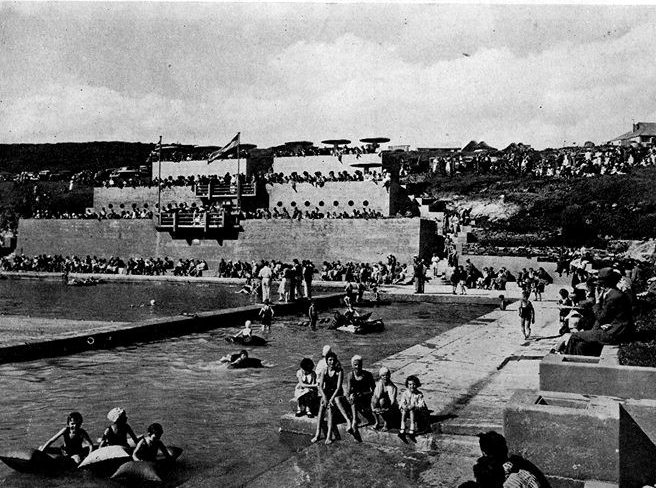
The Seaview Tidal Pool was an art deco marvel. It was built by for a local businessman Lewis Richardson, who also established a hotel on the site.
The Richardson family played a pivotal role in the founding and commercial development of Seaview. The family was led by Sir Lewis Richardson (1873–1934), a prominent businessman and baronet who founded L. Richardson & Co. In the 1920s, the family began developing the "Clarendon Marine Township" at Seaview.
The Seaview Hotel outside Port Elizabeth was a prominent landmark built in 1938 that served as a holiday resort and a military base before being demolished in early 2014. The sad story of is well documented here and hereand also here. During World War II, the Seaview Hotel in Port Elizabeth served as a critical naval training base known as HMS Good Hope. It holds the distinction of being the first Royal Navy officer training establishment located outside of Britain.
In 1931 local architects Jones and McWillams designed an art deco style tidal swimming pool to be built on the rocks below the Seaview Hotel. Constructed in 1931, the pool was part of a larger resort development by the Richardson family. It was built by Gilbert Curtis Billson, who also later served as the builder for the hotel itself when construction began in 1937. Key details regarding the pool and hotel include: Art Deco Design: The tidal pool was noted for its unique Art Deco structure at one end. The Hotel: While the pool was built first, the hotel was designed in the streamlined International Style by local architect Maurice Berman and opened in June 1938.
The pool is still a popular attraction, but it remains dangerous for swimmers, as drowning coninue to occur ther.
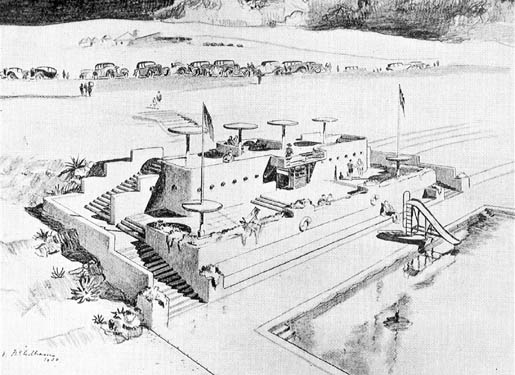
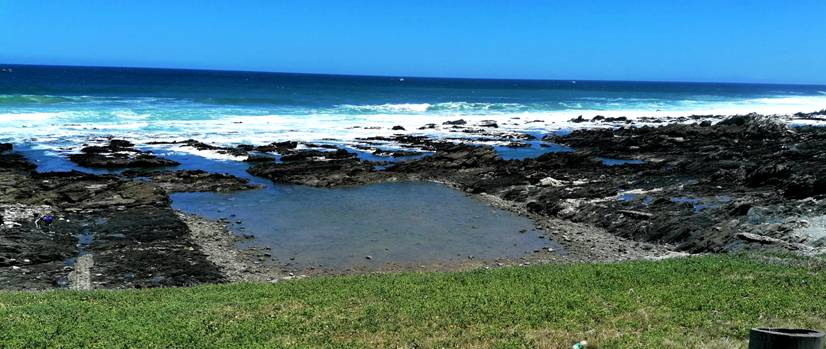
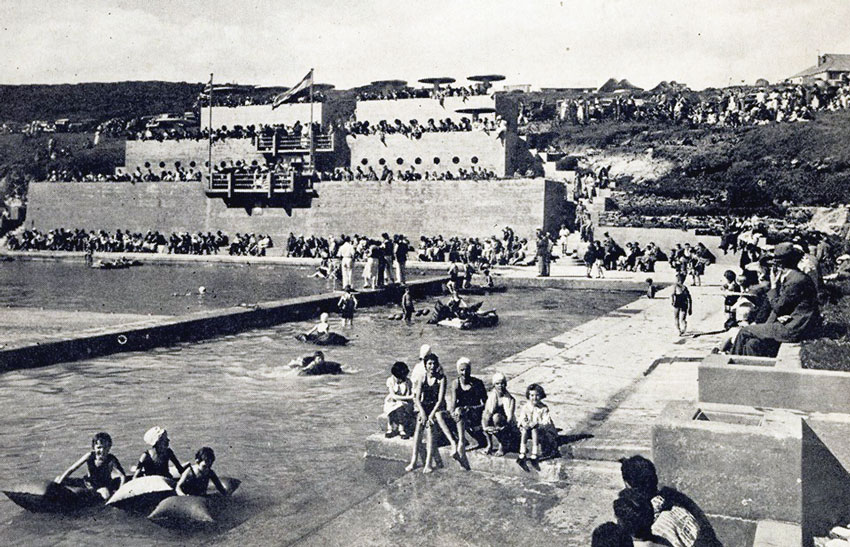
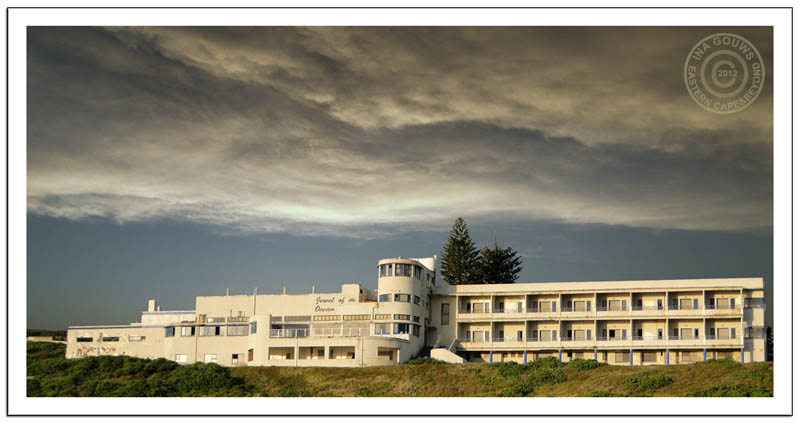
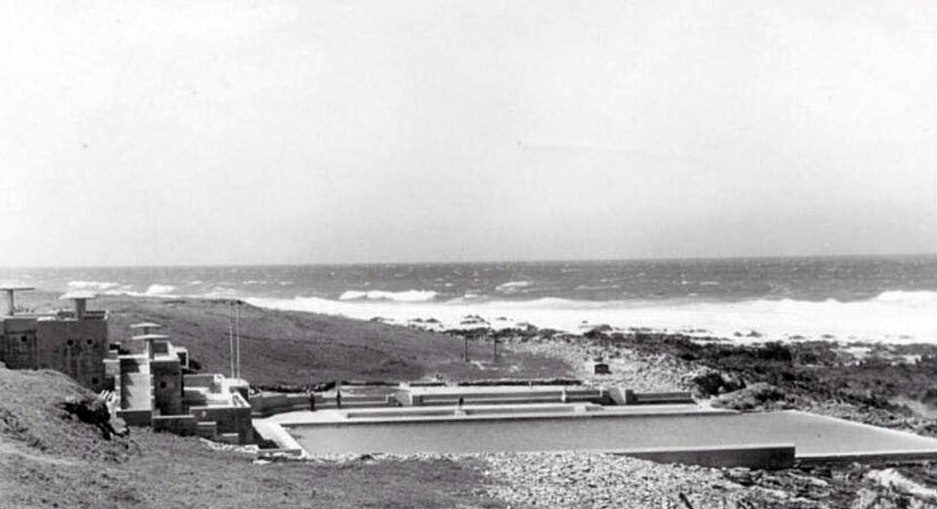
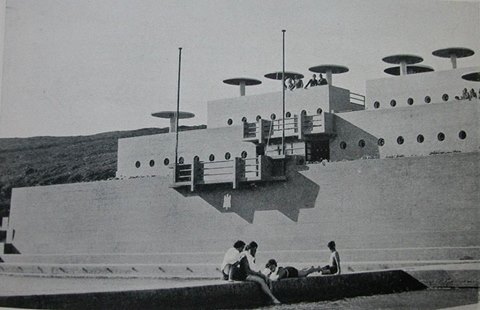
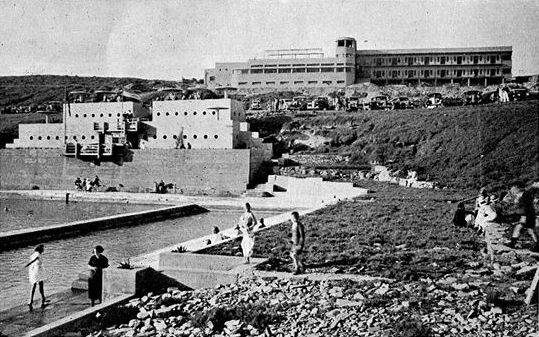
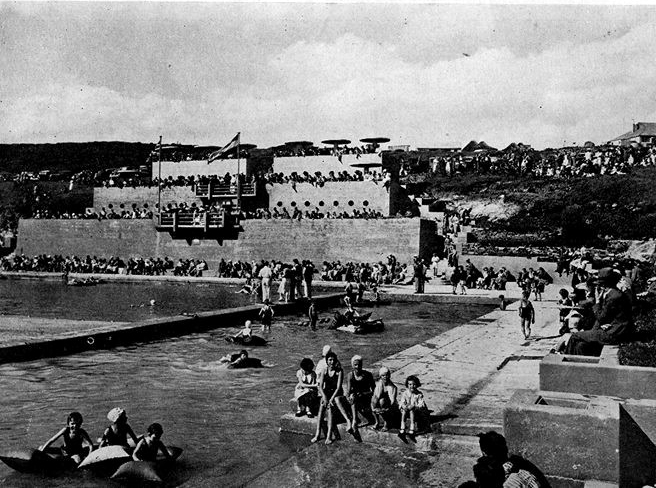
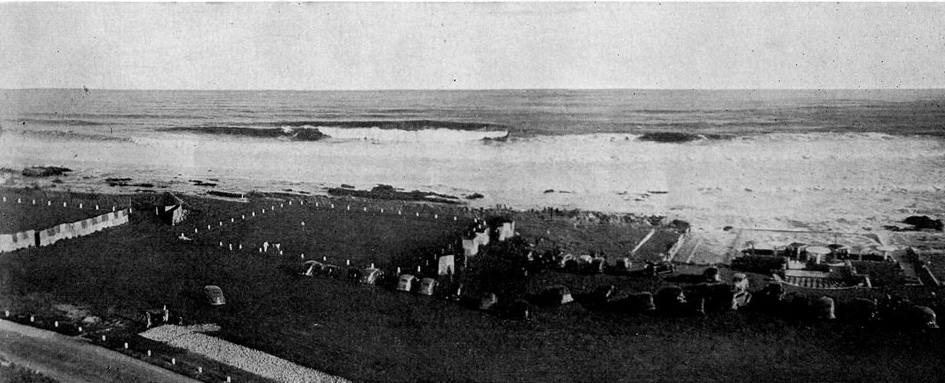
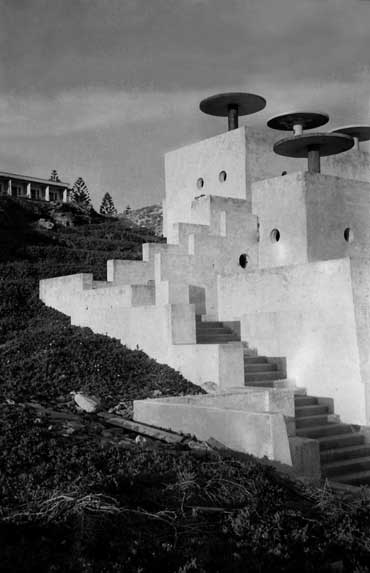
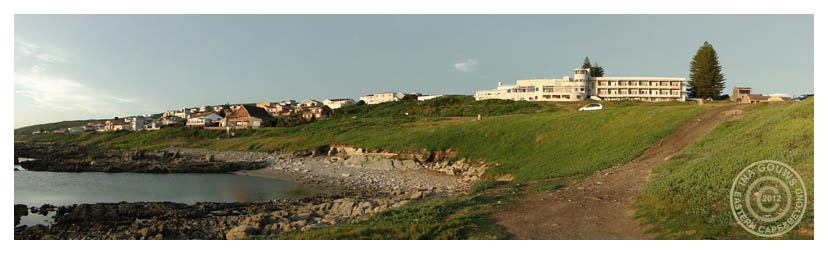
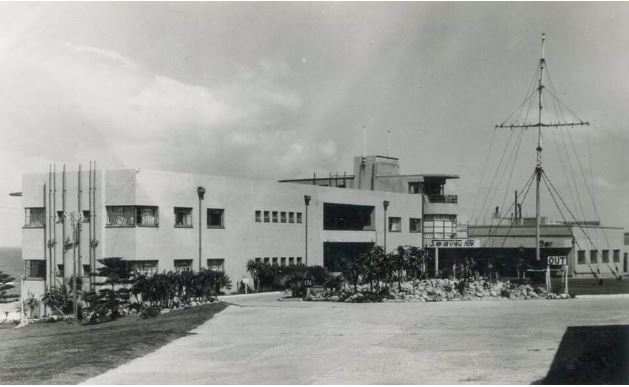
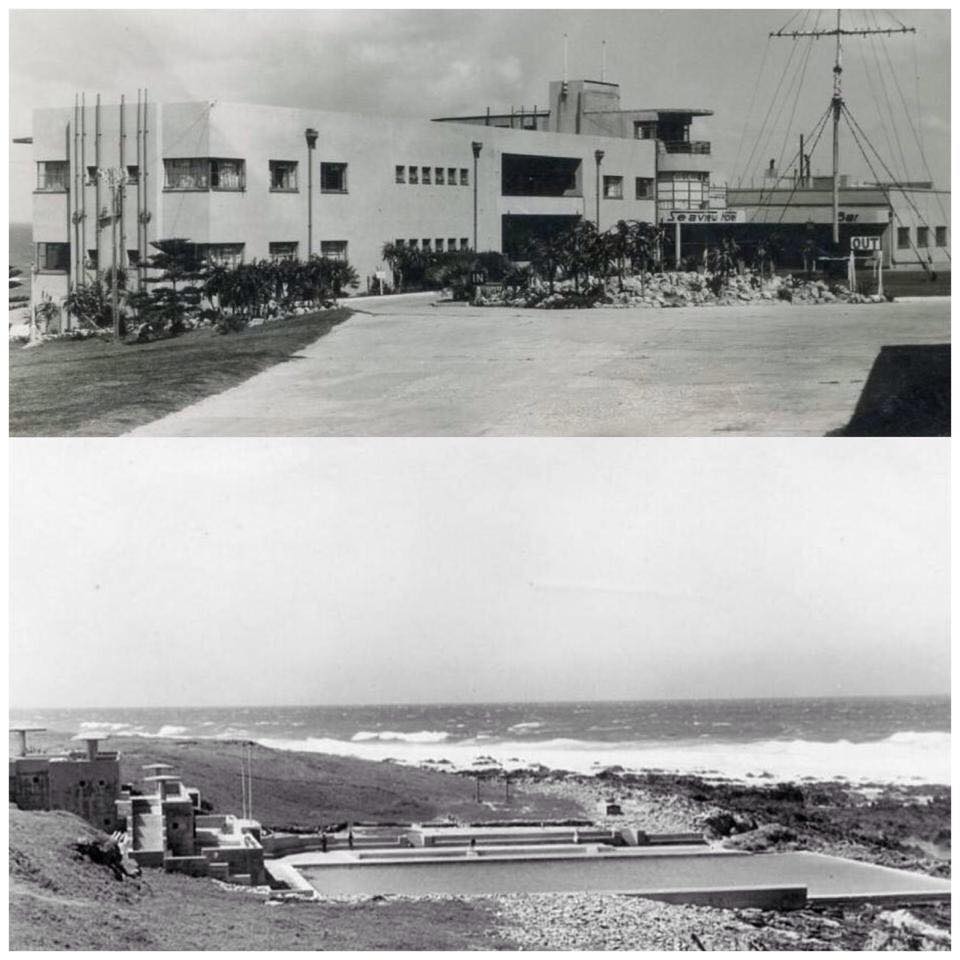
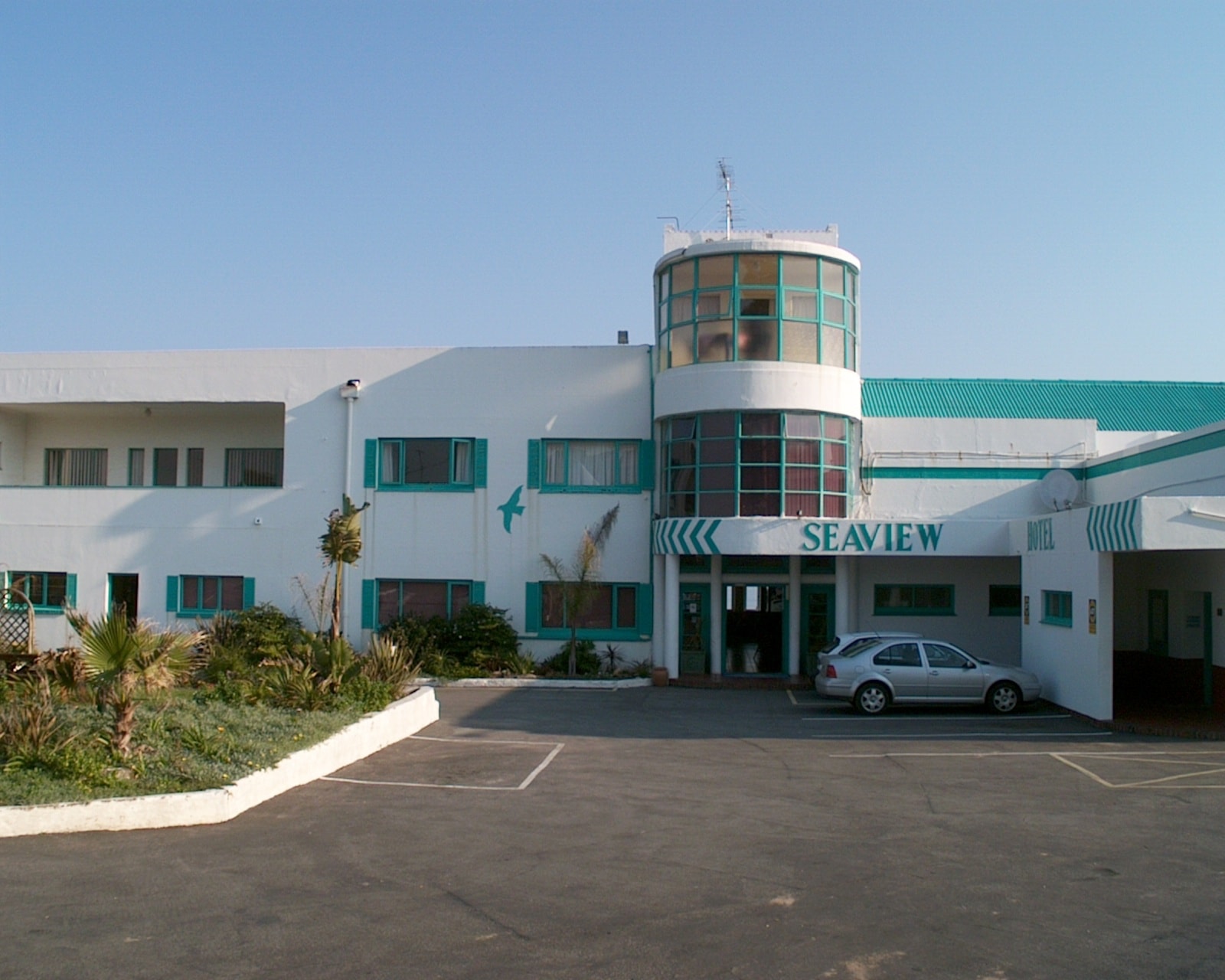
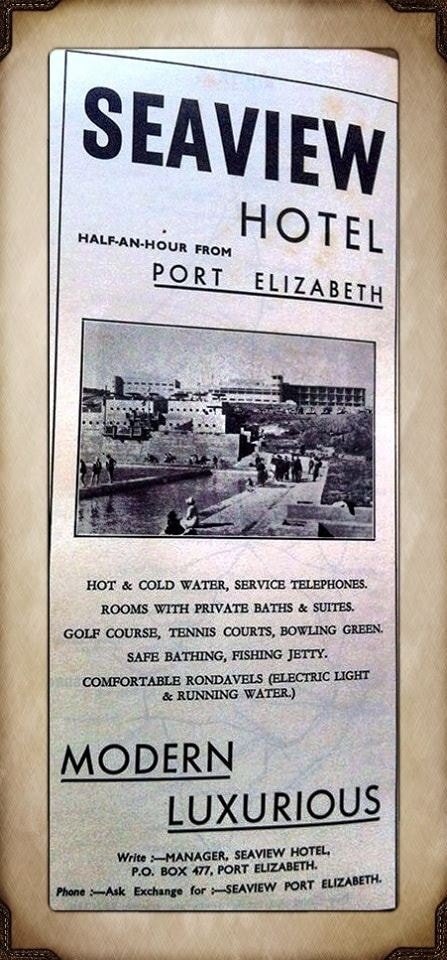
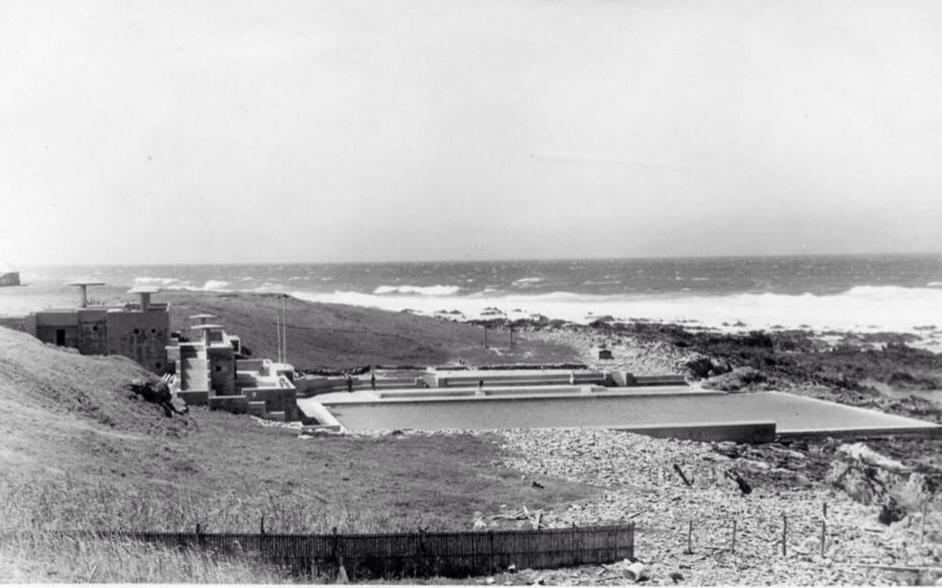
A famous tidal pool once graced the shoreline outside of Port Elizabeth. Built in 1931, it the largest tidal pool in the country.
Unfortunately, the Seaview hotel was demolished in April 2014. A blog about the ruined hotel before being demolished can be found here.
(Note: Artefacts website states the pool was constructed in 1936 but originally designed 1934)
 The South African Architect website (Artefacts) had the following article:
The bath itself is the largest tidal bath in this country, being even greater in size than the Sea Point one. The pavilion shown in the sketch is probably the first stage only of what will eventually be a series of similar terraces containing dressing-boxes, etc. The unit shown has accommodation for 160 persons of both sexes, with lavatories, stores and attendants' rooms.
The whole structure is of reinforced concrete left rough from the shuttering and bagged; with a final coat of light tan distemper.
The woodwork — such as doors, etc. — is to be painted in bright clean colours, while the undersides of the concrete umbrella-shelters are to be tiled with coloured glazed tiles.
The retaining wall is about 3 ft. (915 mm) thick at the base, as, during high tides, the waves break against it. The top is hollow — allowing plants to be grown along the parapet.
Future extension will consist of another "deck" of undressing boxes, forming yet another terrace behind the existing building.
The paving of the terraces and surround to the bath is in alternate blue and cream concrete slabs; the whole area of the bottom of the bath also being similarly treated.
The wall forming the sea end of the bath is arranged with funnel-shaped apertures facing the waves, and inclined tubes leading up through the wall, making a series of blowholes. Each wave that breaks against the wall sends a jet of water twenty feet into the air over the bath!


The Jubilee Pool - Cornwall’s art deco lido
For some context to the Sea View pool, the Penzance saltwater pool in Cornwall was built around the same time, also with an Art Deco theme.
Part of just a handful of saltwater tidal pools left in Europe, the Jubilee Pool was originally built in 1935 to commemorate King George V's silver jubilee. Once package holidays came into play in the 1970s, the pool's popularity declined and became neglected and disrepair. After a £3 million-pound investment from the Coastal Communities Fund, the pool was restored to its former glory and reopened by Prince Charles in 2016.


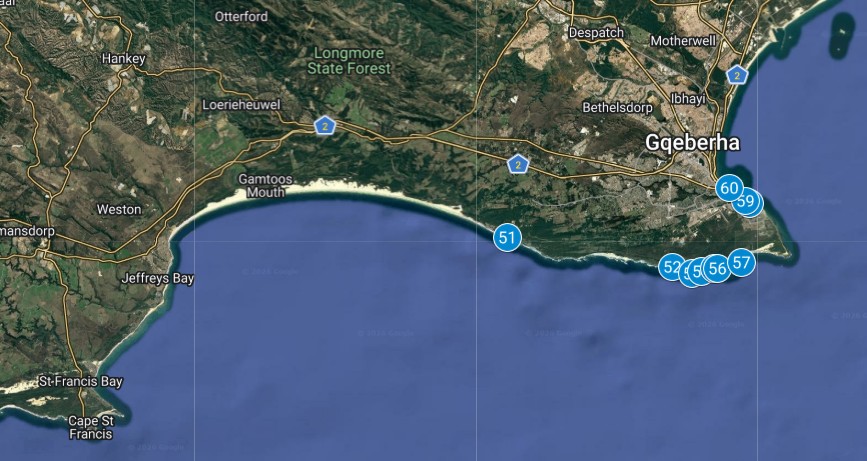
The coastline from George to Port Elizabeth is backed by the Cape Fold Mountains, which create deep ravines and steep shorelines. It is still largely inaccessible by road. The land is, or was, covered by the Afromontane Knysna Forest, while
Before the N2 national road was built through the forest miles from the coast, the old Garden Route followed the contours down into the ravines, like Bloukrans Pass.
Eastwards from Port Elizabeth, the shoreline begins to flatten as the Cape Fold Belt ends at Port Alfred. Almost the entire 280 kms from PE to East London is a sandy beach. Read more about the geology of Port Elizabeth here →
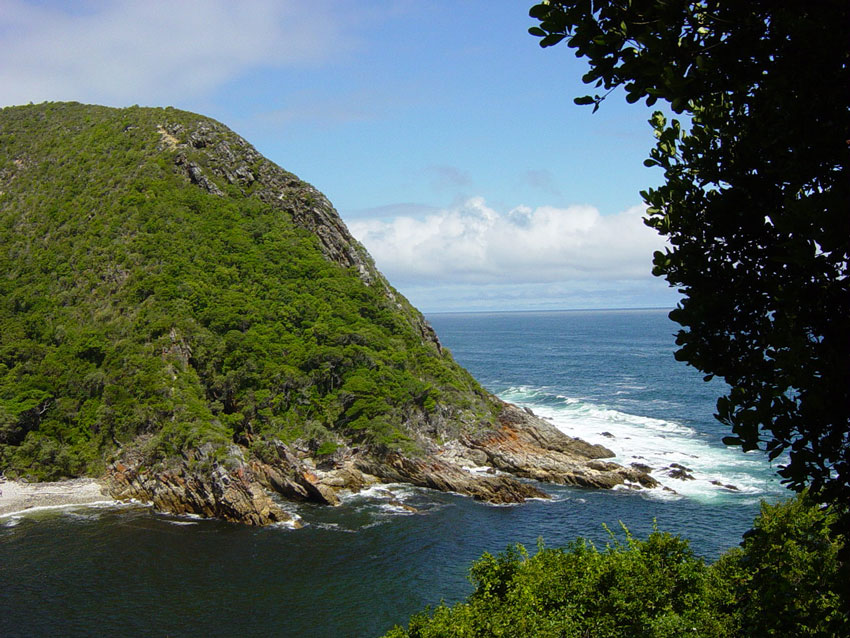
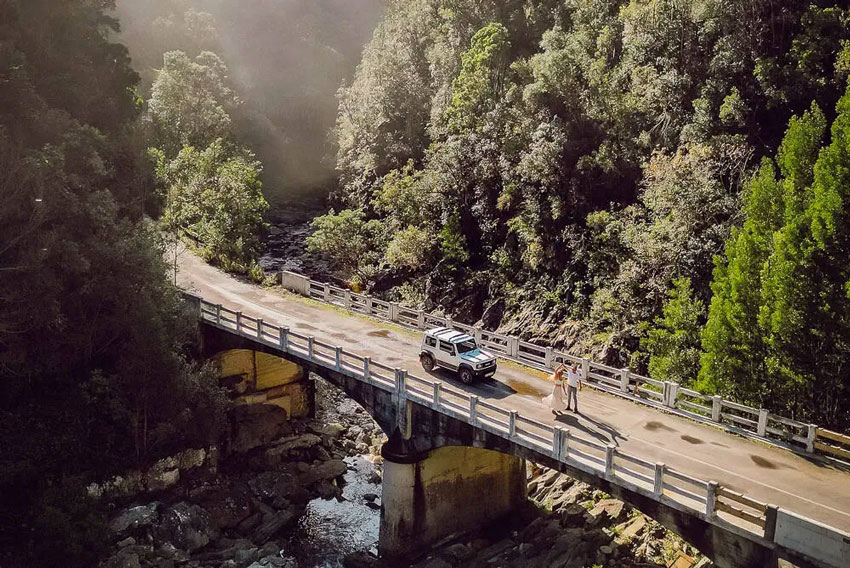
East of Victoria Bay lie the holiday towns of Plettenberg Bay, Jefferys Bay and Cape St Farncis. There are also a number of tourist attractions, like the Otter Hiking Trail, Bloukrans bungee jump (the world’s highest bridge bungee jump) and Super Tubes surfing at Plettenberg Bay.
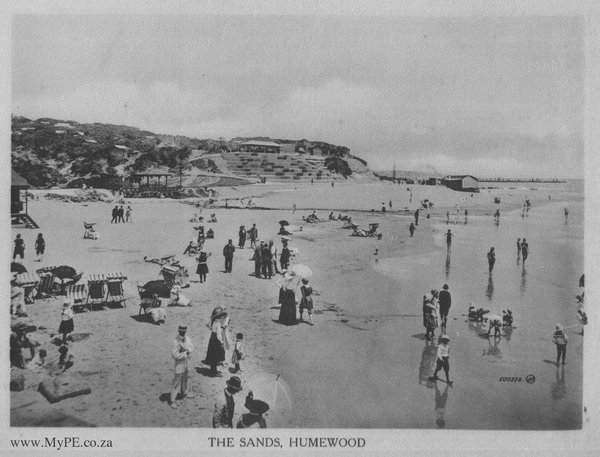
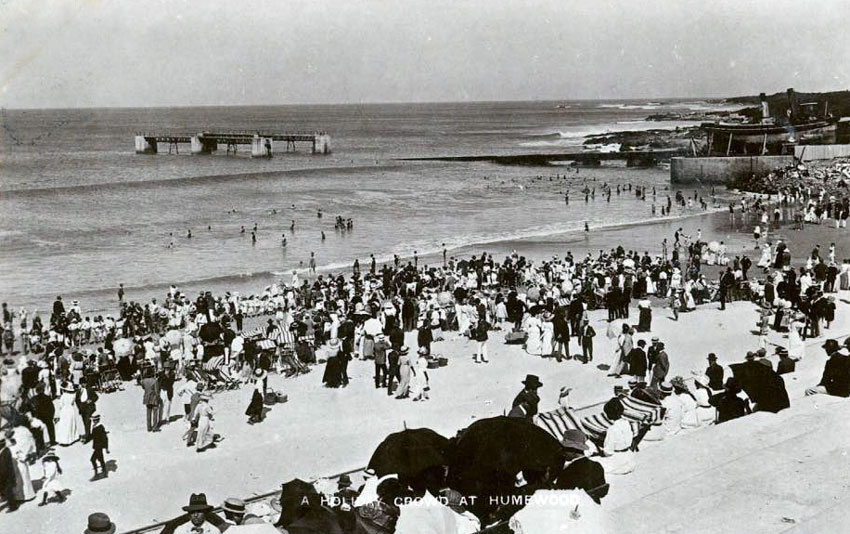
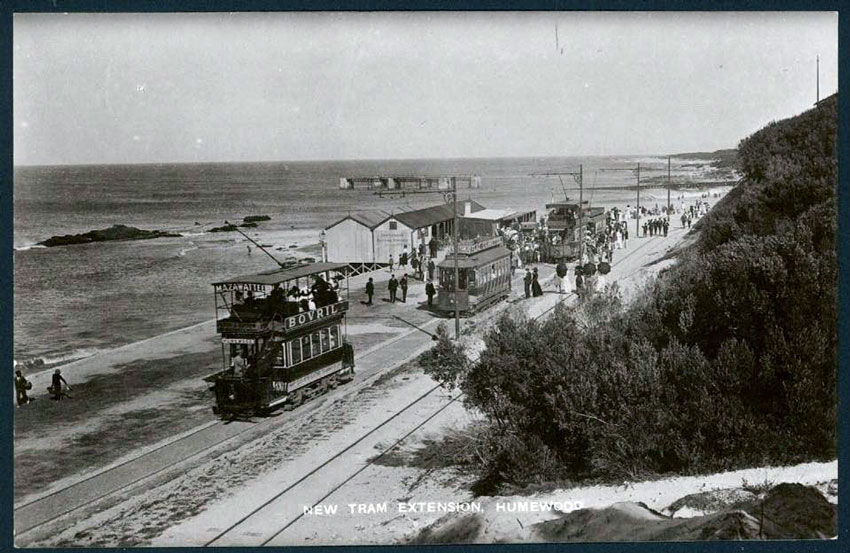
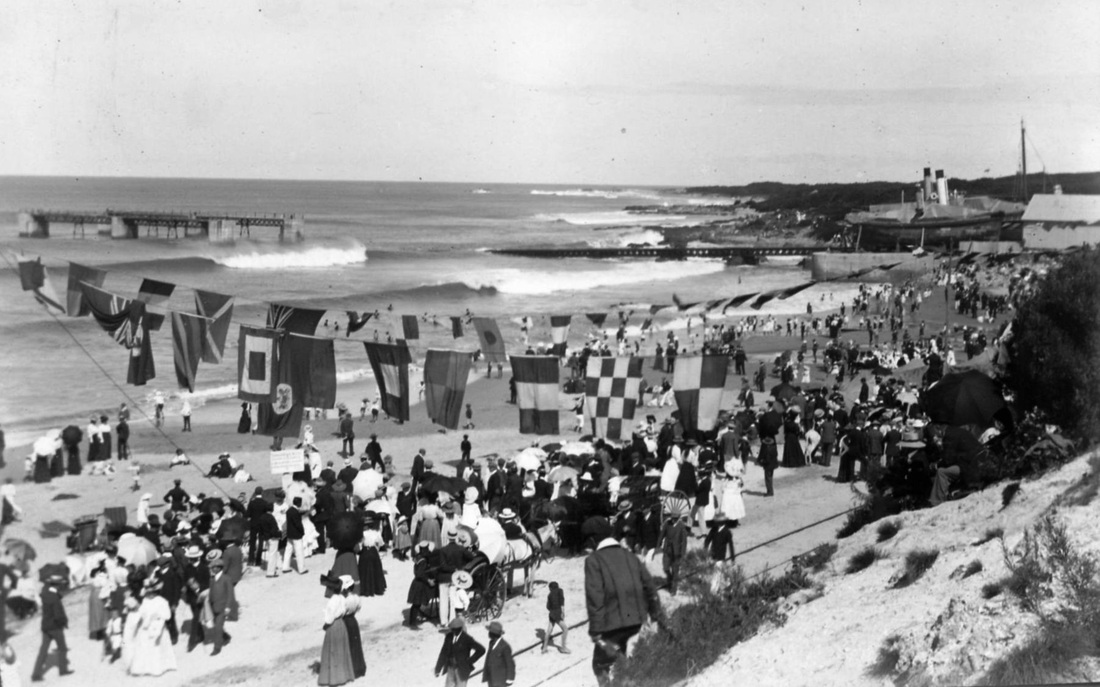
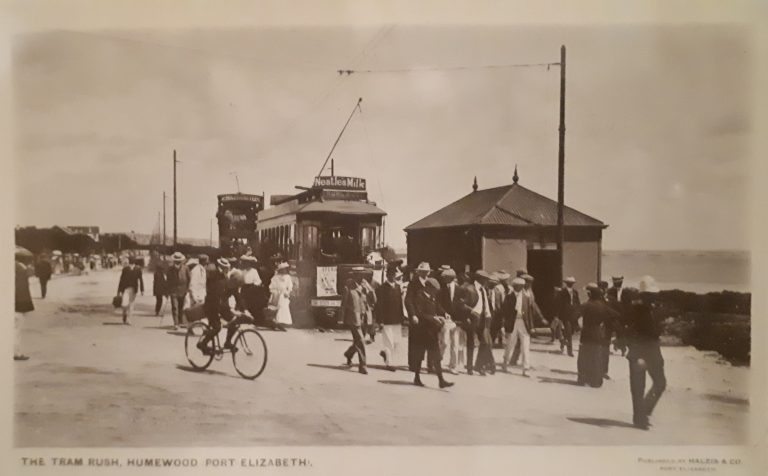
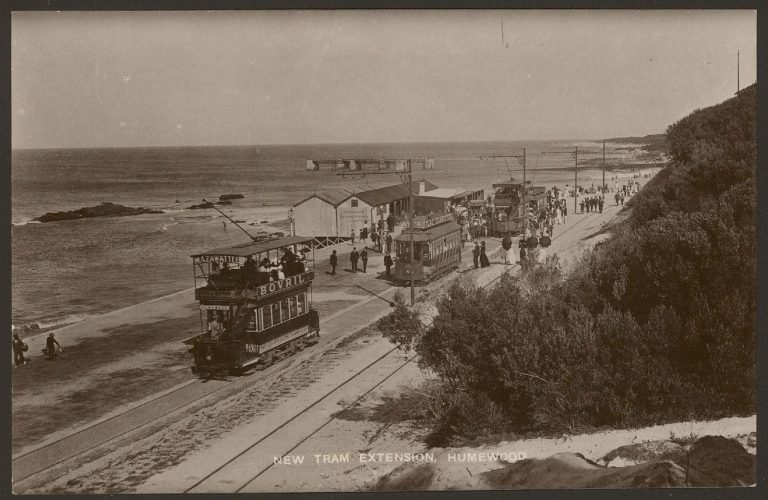
The town of Port Elizabeth grew to be the commercial centre of the Cape Colony from the arrival of the 1820 British Settlers, who brought their love of watersports to the Bay. Humewood was their favourite beach, and from 1893, the Humewood area was opened for swimming or for housing. Humewood railway station was built in 1899.
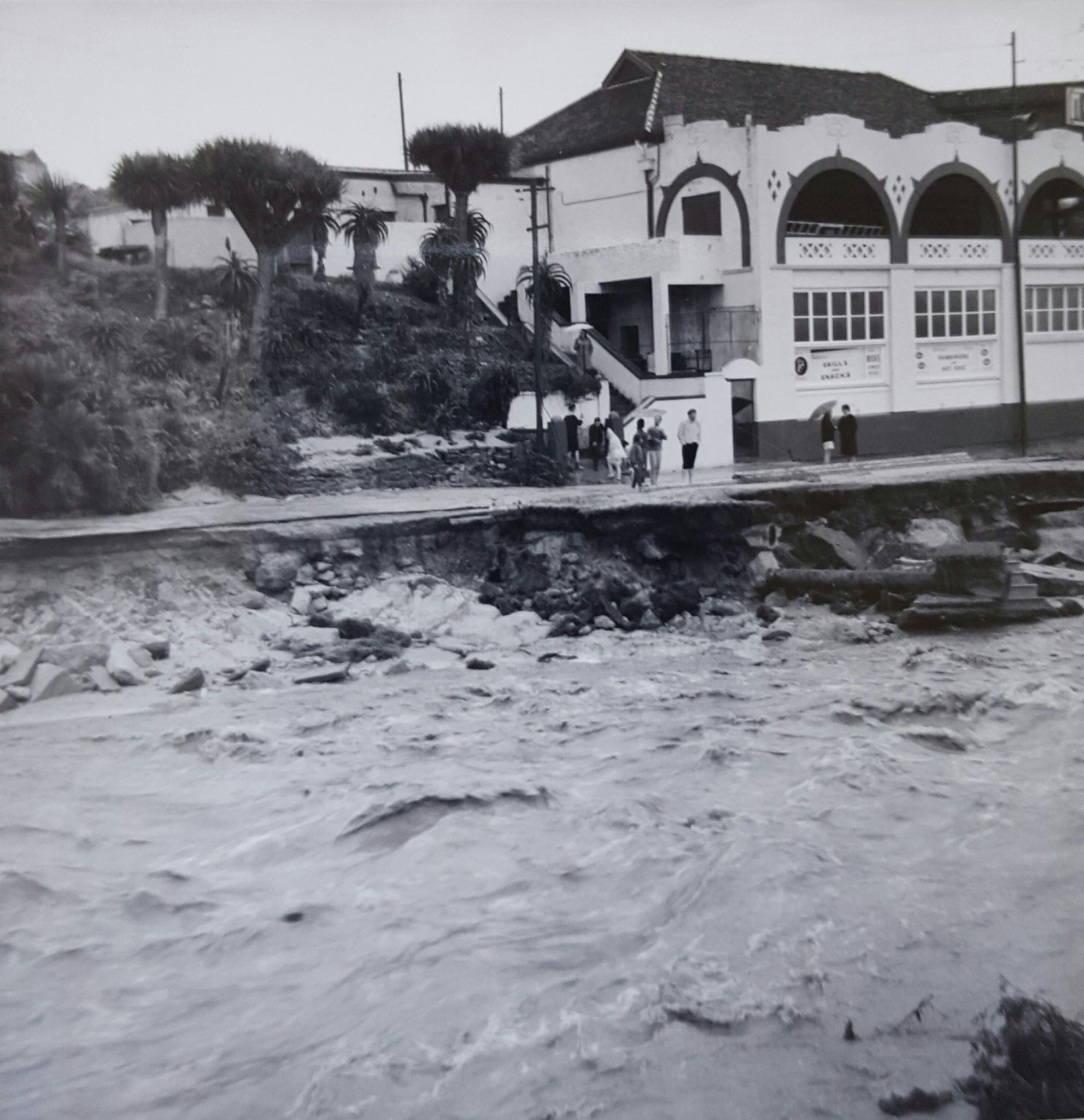
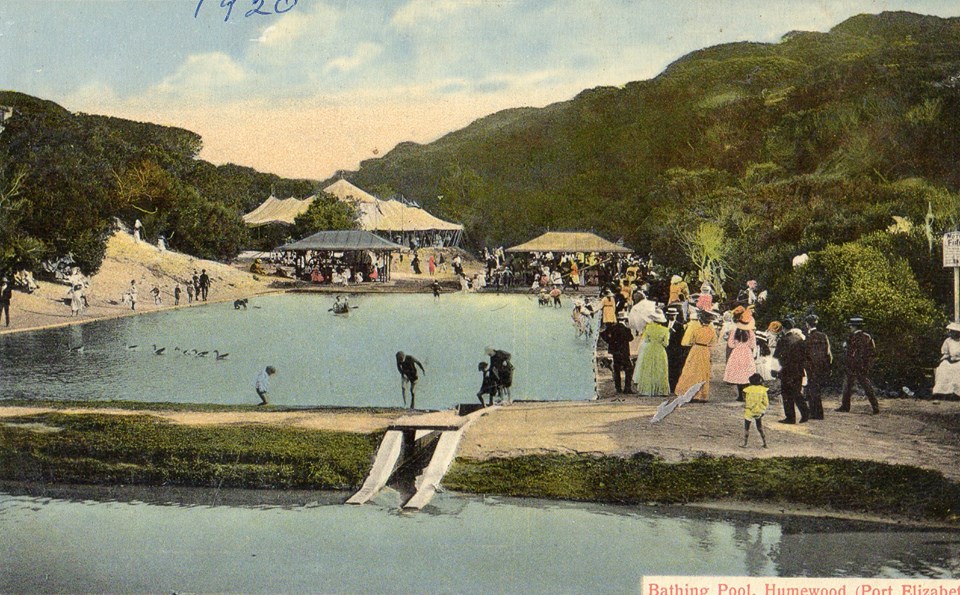
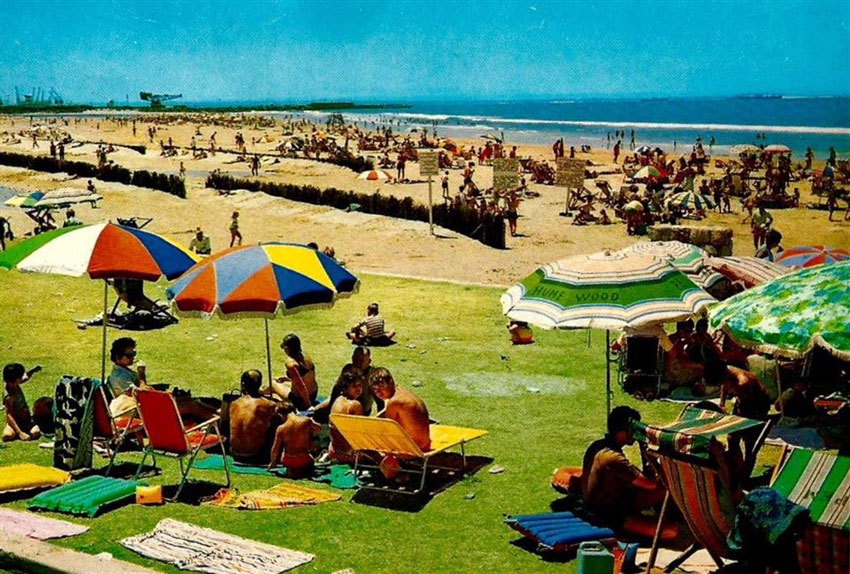
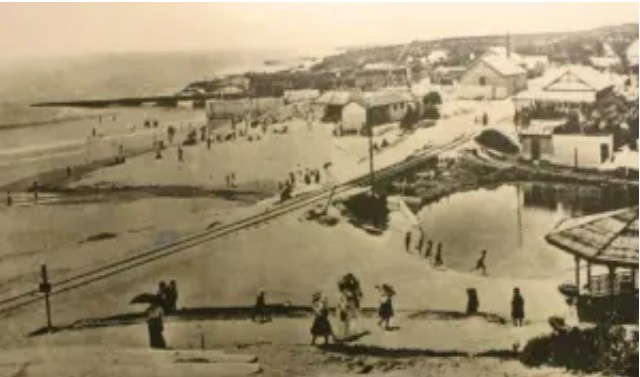
Port Elizabeth became a popular holiday destination for Karoo residents in the 20th century, who knew it as "Die Baai" (the Bay). The municipality provided several caravan and camping sites at the van Stadens River Mouth, Willows Resort and Brookes Hill at Humewood. In 1899, the local narrow gauge railway was extended to Humewood, where various pools and other attractions for visitors were created, including a child's paddling pool and an indoor saltwater-filled swimming pool. The pool lasted until it was damaged during the 1968 floods. The construction of groynes designed to trap sand created a tidal pool at Humewood beach.
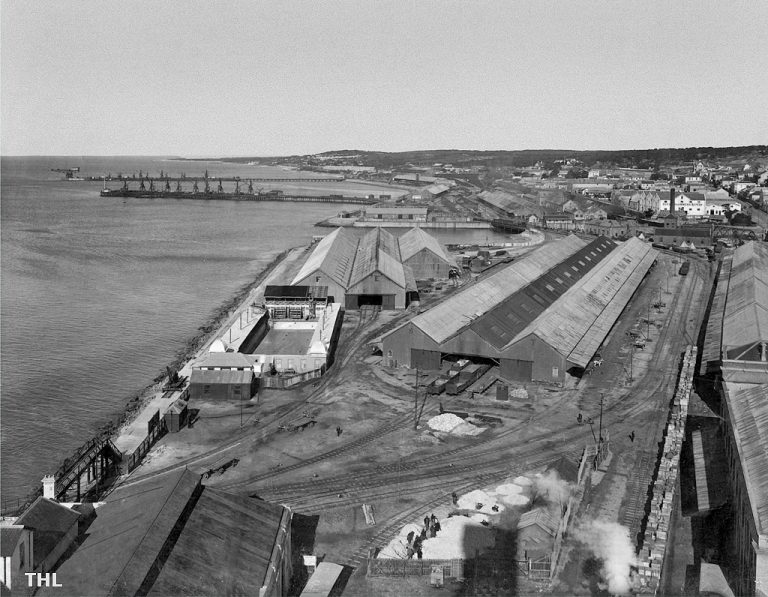
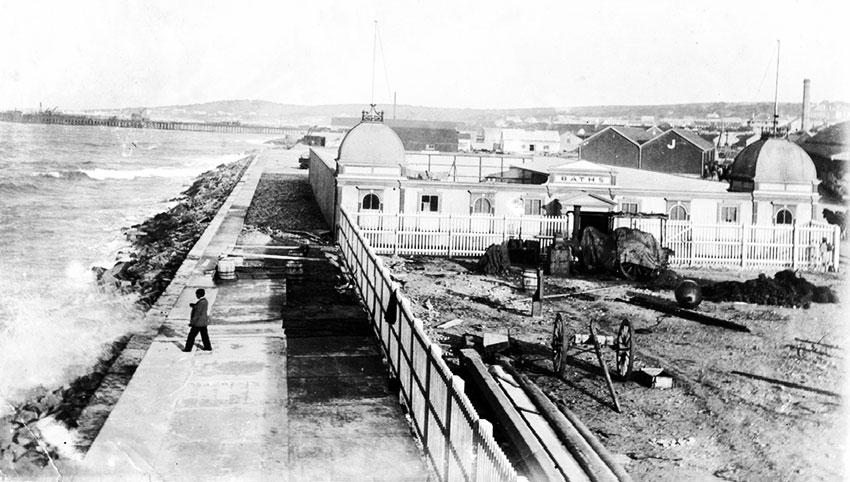
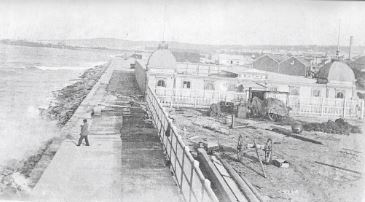
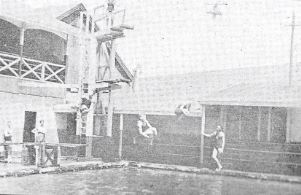
The South African Amateur Swimming Union (SAASU) was founded in Port Elizabeth in 1899, and it held the first inter-provincial water polo and swimming Championships at a saltwater pool in the harbour at Fleming Street (below).
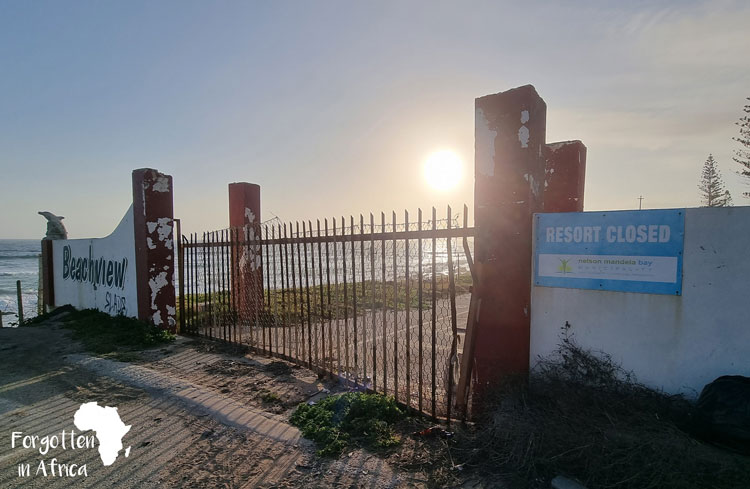
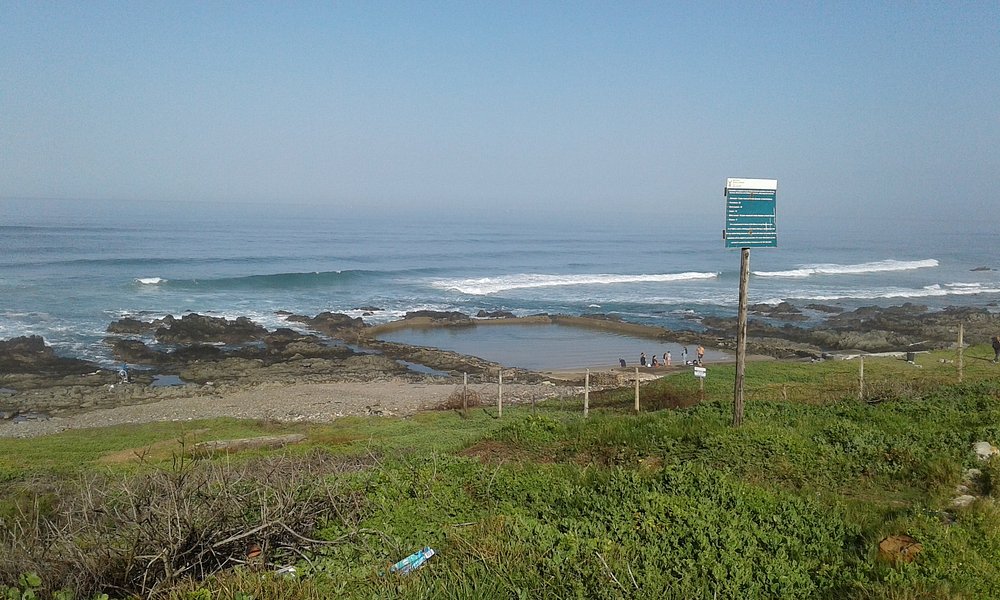
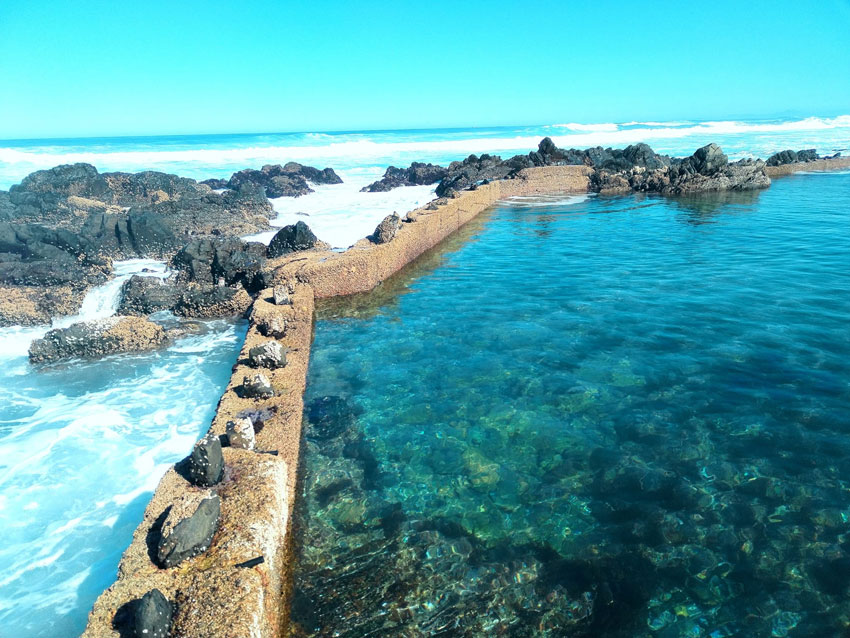
The first tidal pool built along the coast is at Beachview, which was a popular municipal resort.
The Beachview Resort, once a vibrant coastal getaway, now lies in ruins after nearly two decades of neglect and municipal failure. With its infrastructure crumbling and rampant vandalism a constant headache, a decision has finally been approved for the resort’s demolition.
The tidal pool, like many such facilities, can be a dangerous place to swim. The waves, murky water and rocky bottoms have led to frequent drownings, although alcohol is often a contributing factor. Since the demise of the Resort, there are no municipal lifegaurds on duty at Beachview.
Like its neighbour in Beachview, the Seaview Resort, which inclkuded a hoterl and a 1930's art deco tidal pool, have been demolished.
Originally a natural rocky inlet, it was developed into a safer swimming area and eventually a popular caravan park and resort.
Like many tidal pools along the South African coast, Mangolds Pool reflects the early 20th-century trend of "taming" the wild Southern Ocean to create safe swimming spots for holidaymakers. These pools were often created by building concrete walls across natural rocky gullies to retain water during low tide. Maritime History: The rugged coastline near Mangolds Pool is known for its shipwrecks, including the wreck of the Klaas. During World War II, nearby locations like the Hotel Minhetti also featured tidal pools that were used by stationed soldiers.
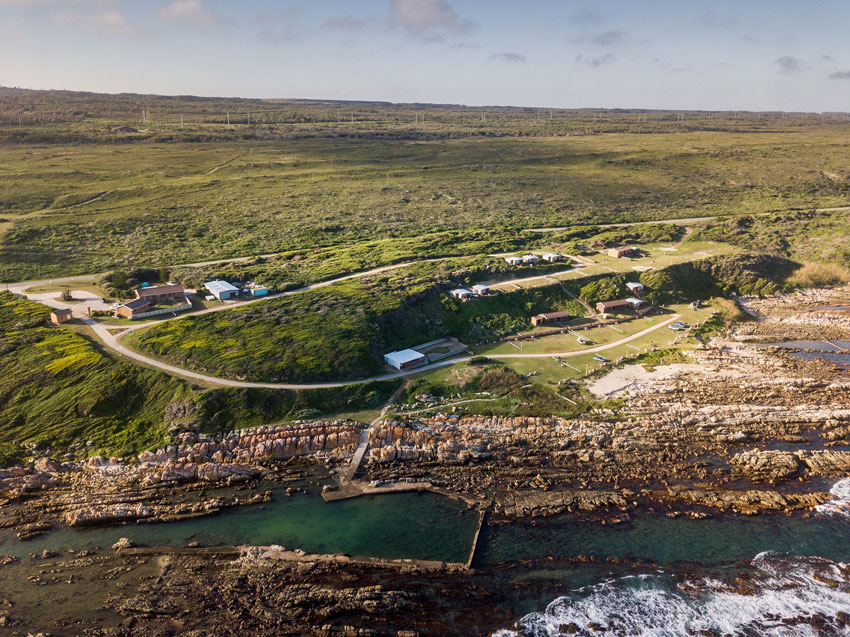
The name "Malay Camp" is rooted in the history of the Malay community from the former South End suburb of Port Elizabeth. During the apartheid era, it became a traditional holiday spot where families—primarily from Malay, Chinese, and Indian backgrounds—would gather to camp during the December and January holidays. This tradition continues today, often featuring annual family camping weekends and community events.
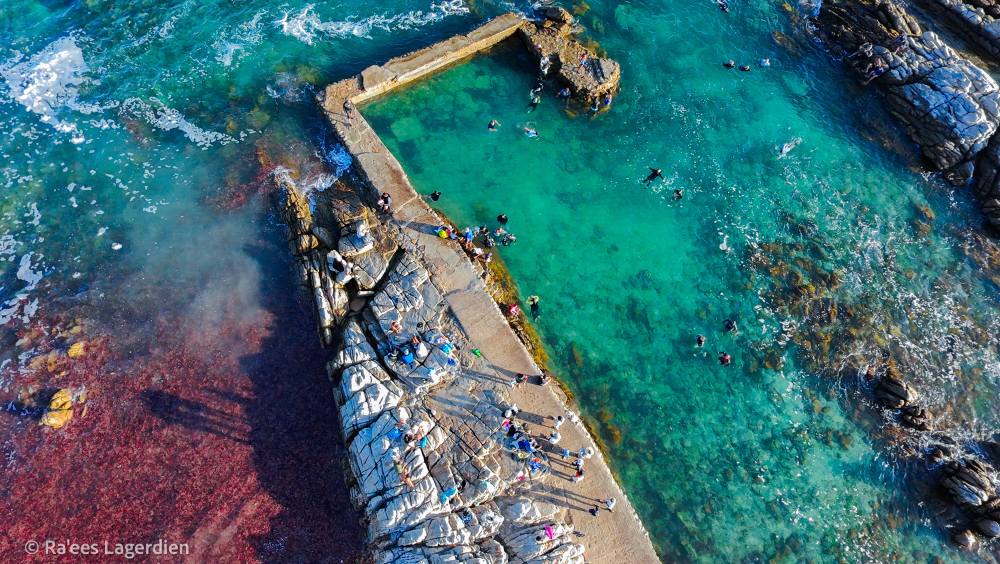
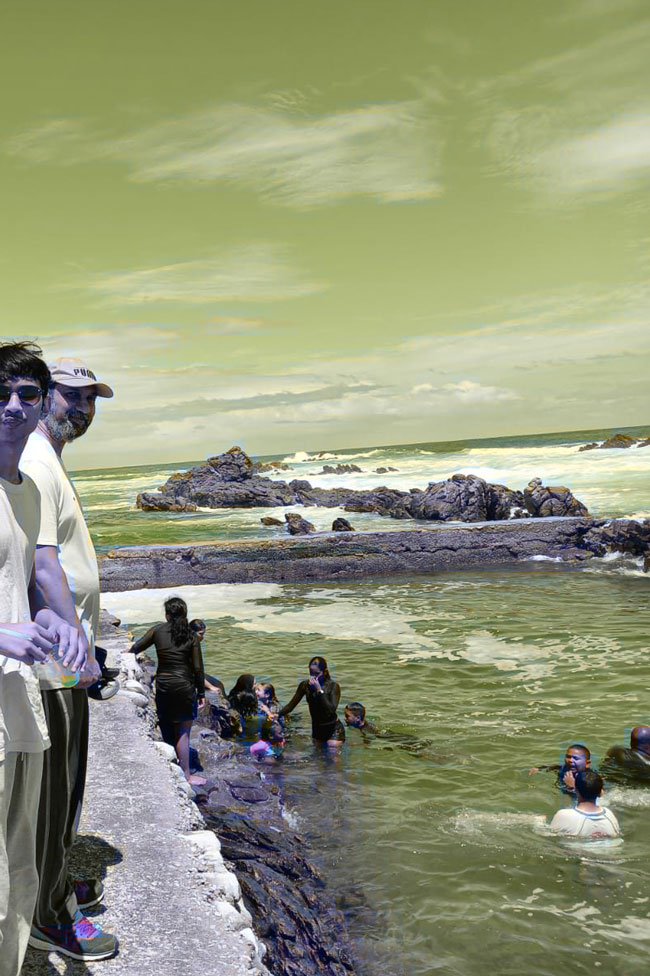
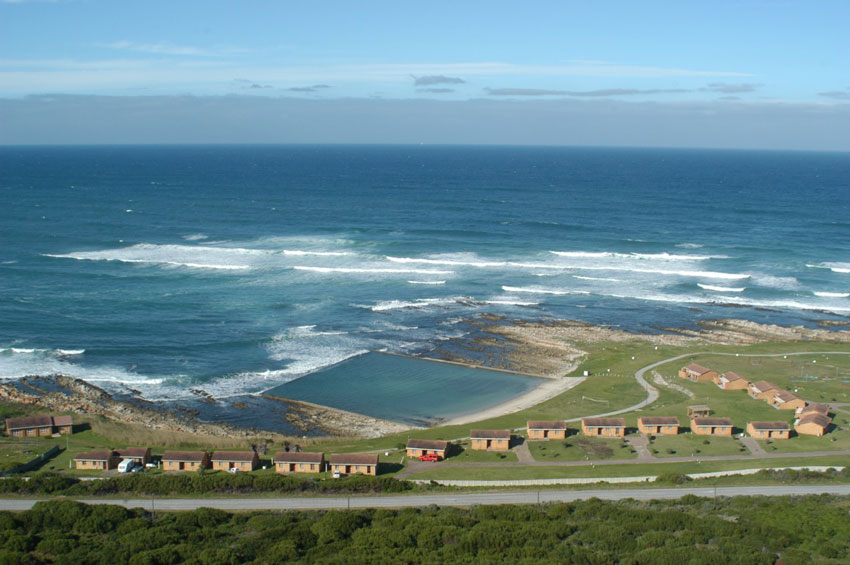
There are four tidal pools at the Willows Resort.
62. The first is called Willow Park Gate 5, which is primarily a caravan park and a daily visiting site. The large tidal pool is shallow and rocky.
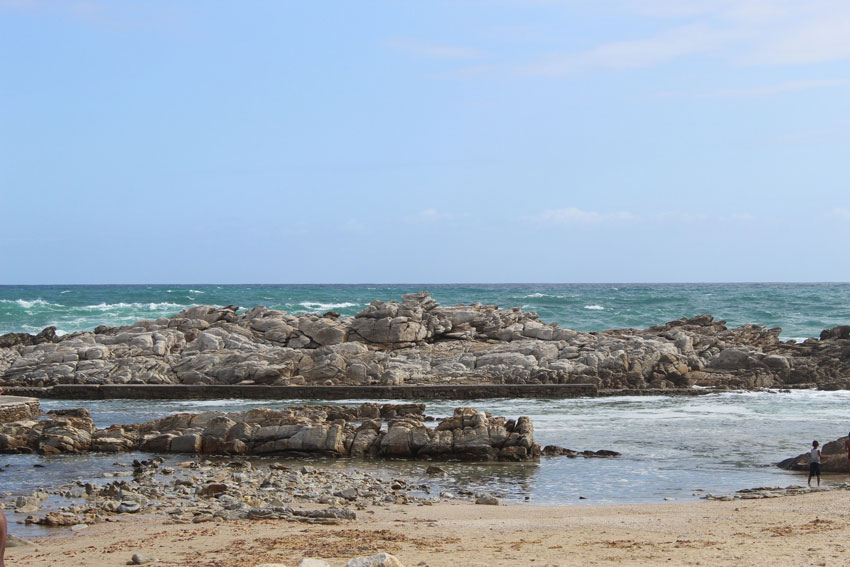
63. Willow Grove is located 1,6km west of the Willows main camp.
With Algoa Bay being the Bottlenose Dolphin Capital of the World, our guests can occasionally enjoy seeing dolphins jump, play, spin and surf the waves while passing by.
64. The Willows Resort Tidal Pool - click here to read the story of the Willows.
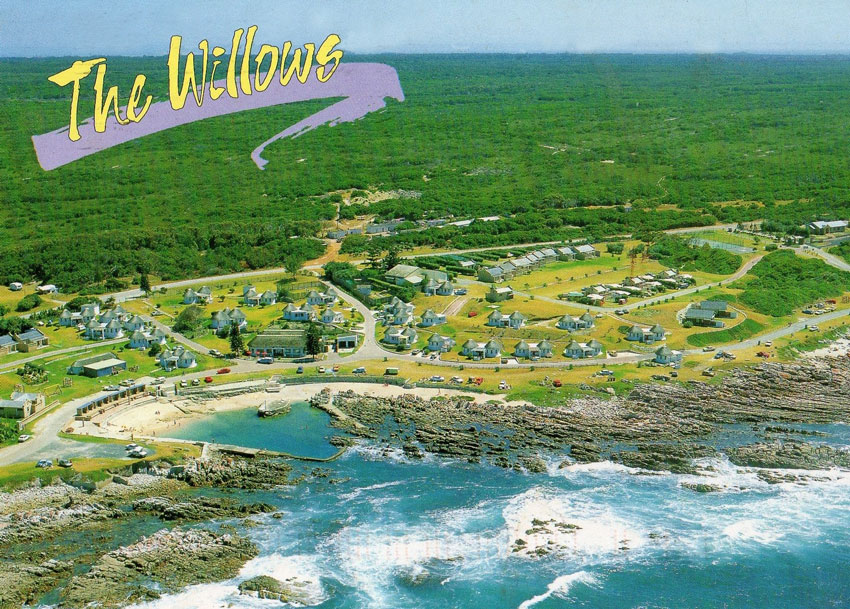
65. The Willow Resort and Conference Centre Tidal Pool
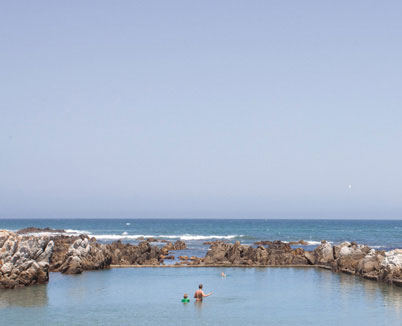
The area's formal recreational history is closely linked to the Noordhoek Ski Boat Club, which was established in 1974. Unlike modern luxury resorts, Noordhoek has historically maintained a rustic, electricity-free camping experience. This was intentional to preserve the natural coastal atmosphere of the Eastern Cape coastline.
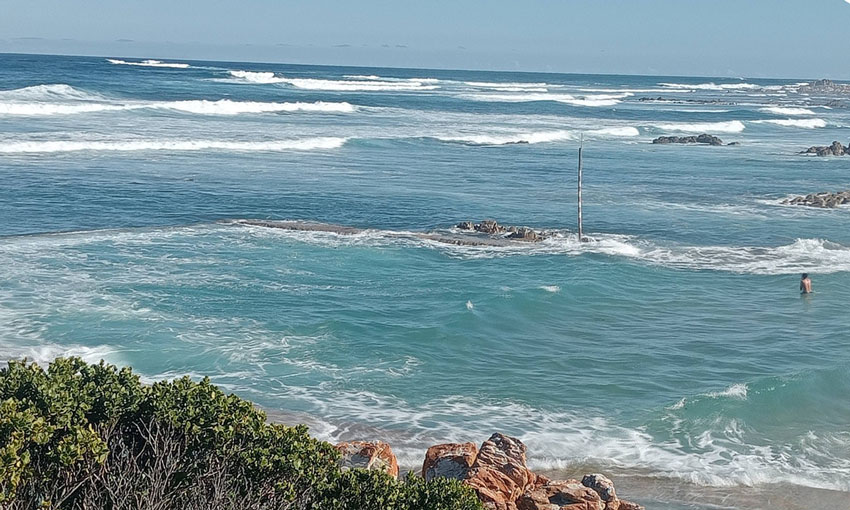
Below is the tidal pool filling up with the tide.
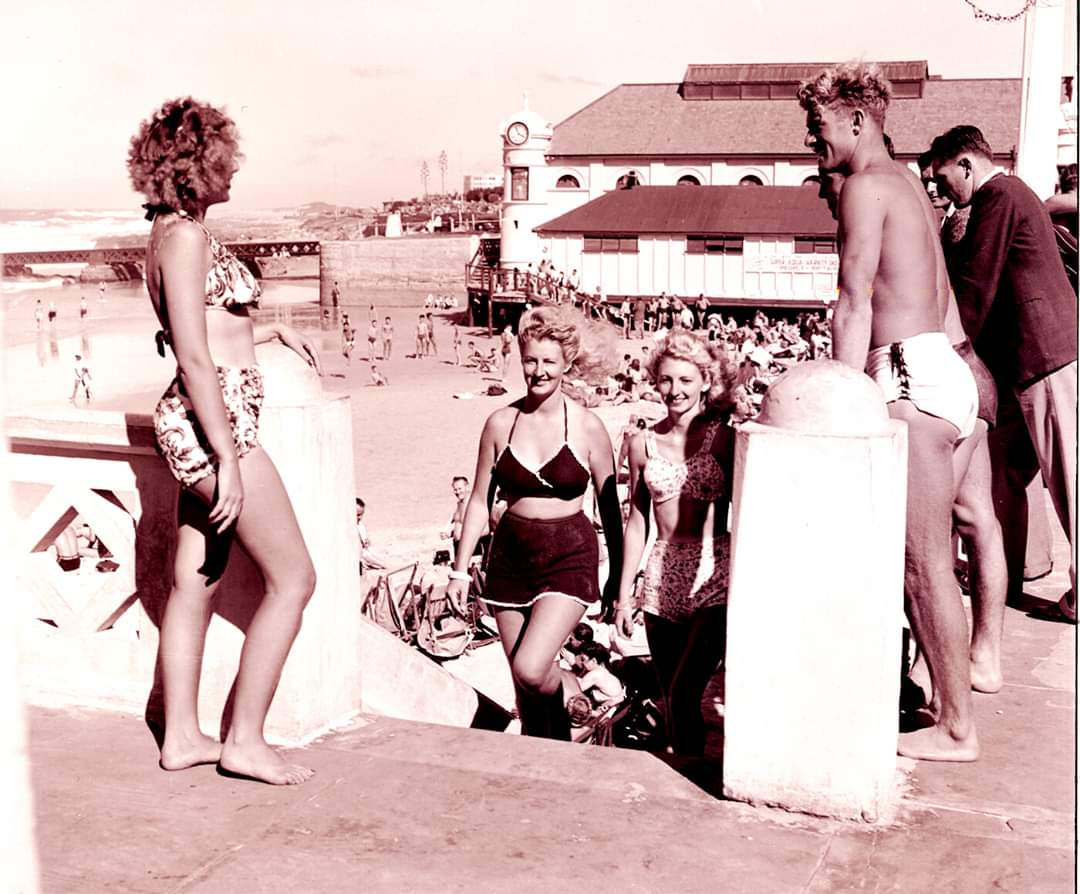
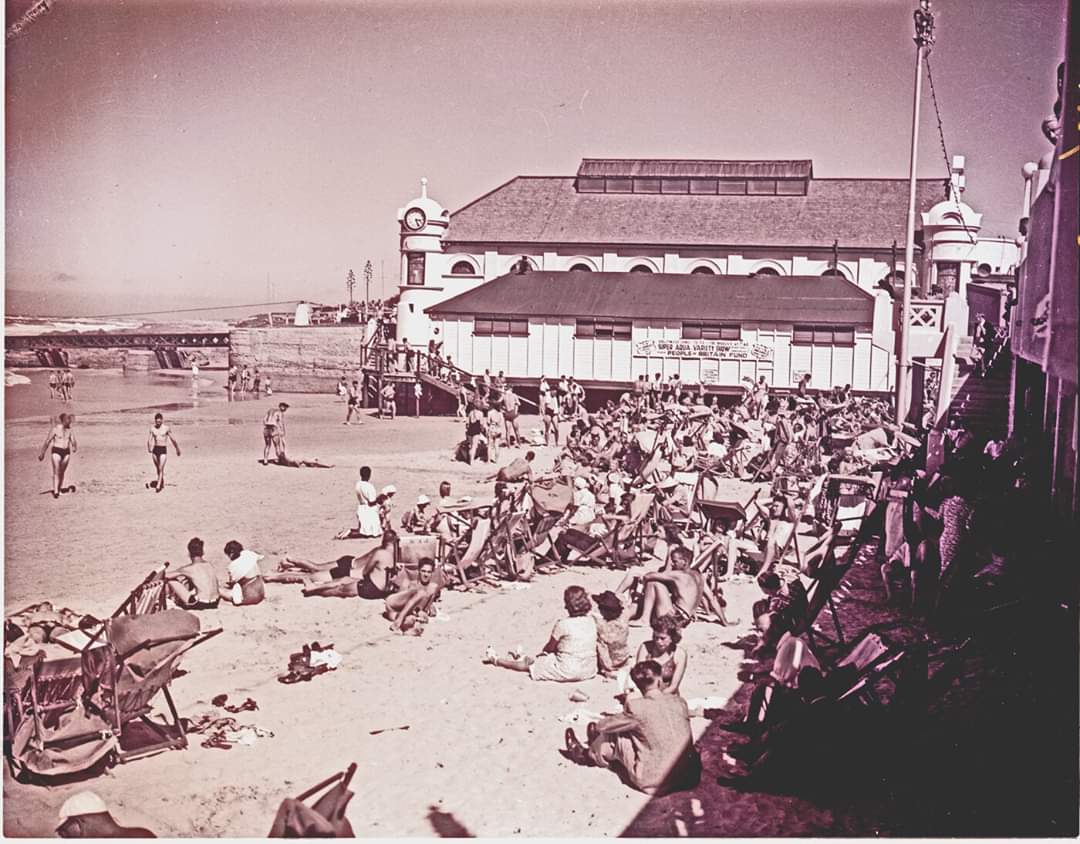
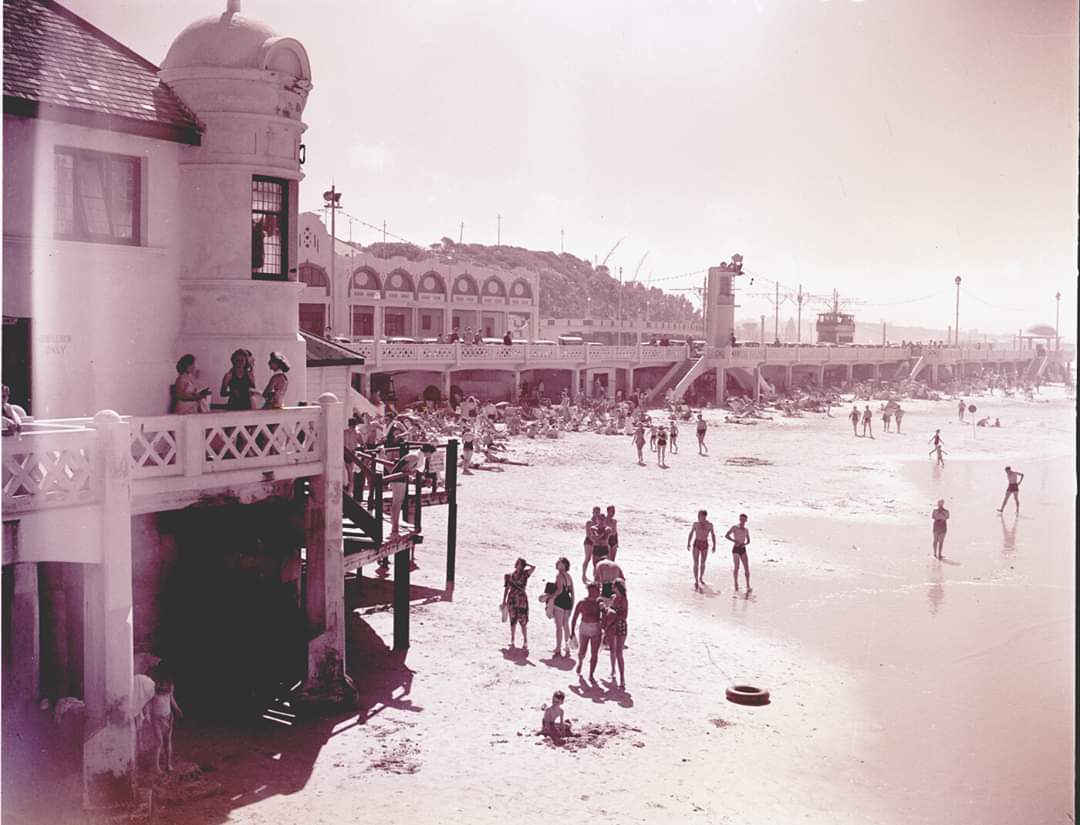
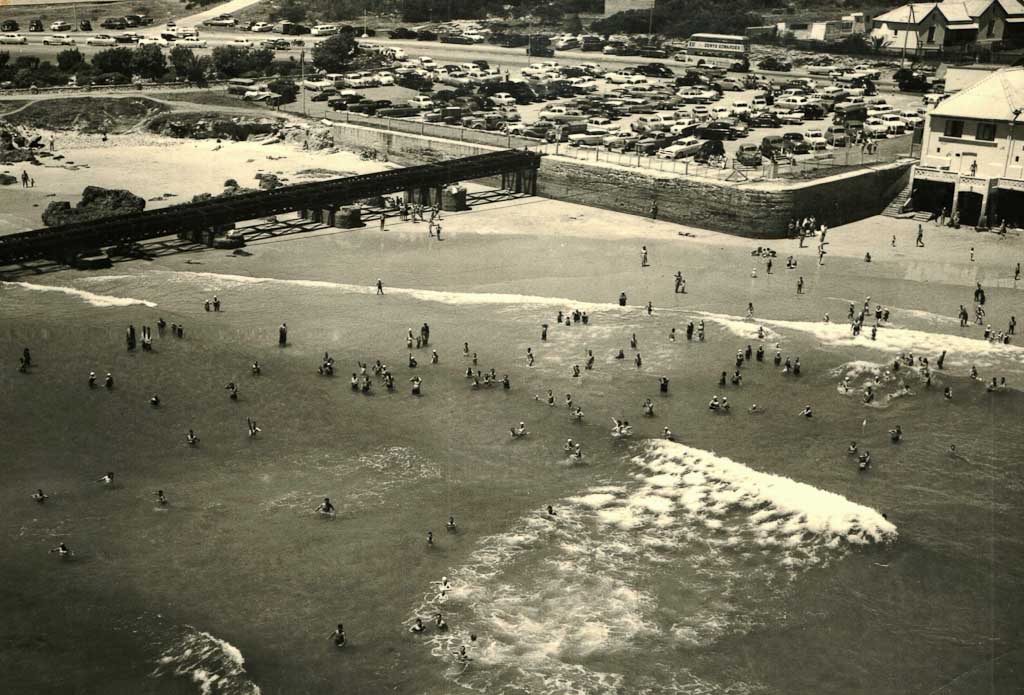
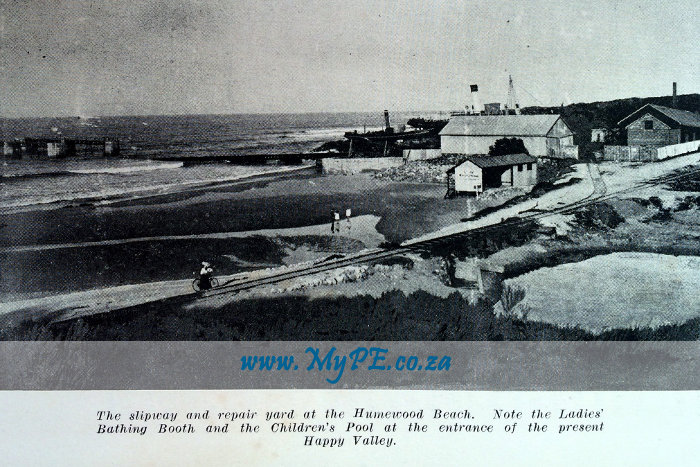
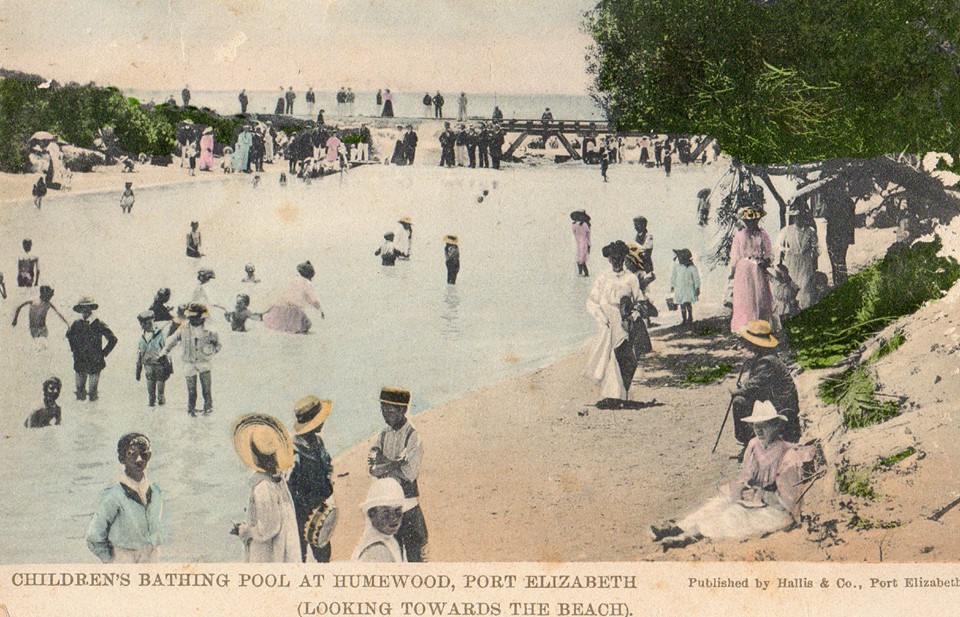
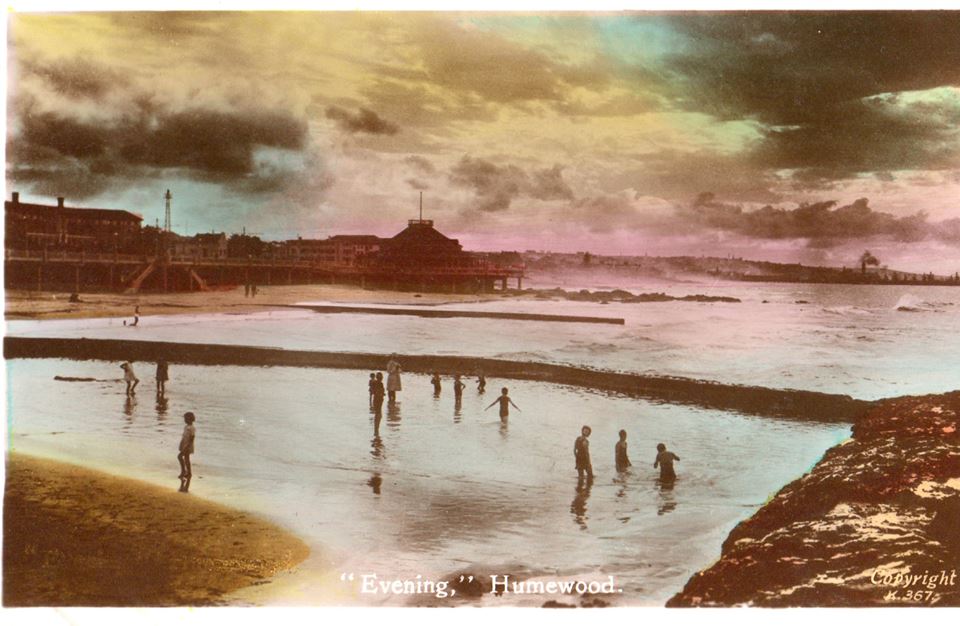
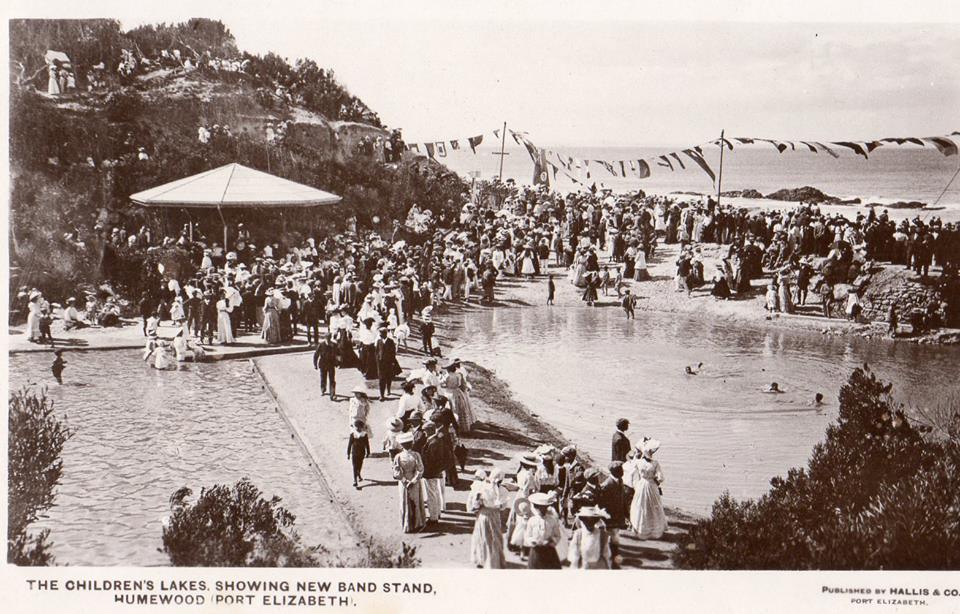
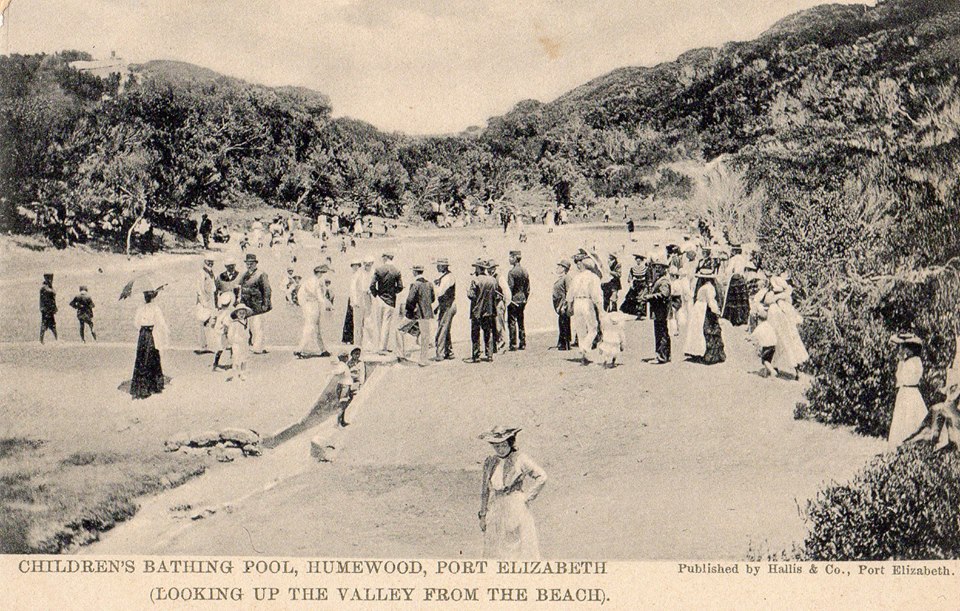
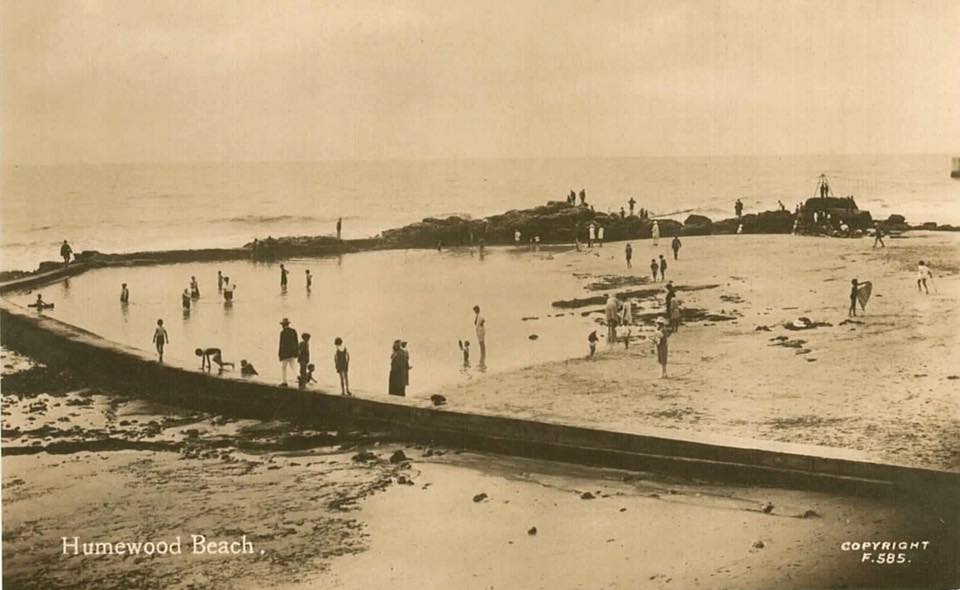
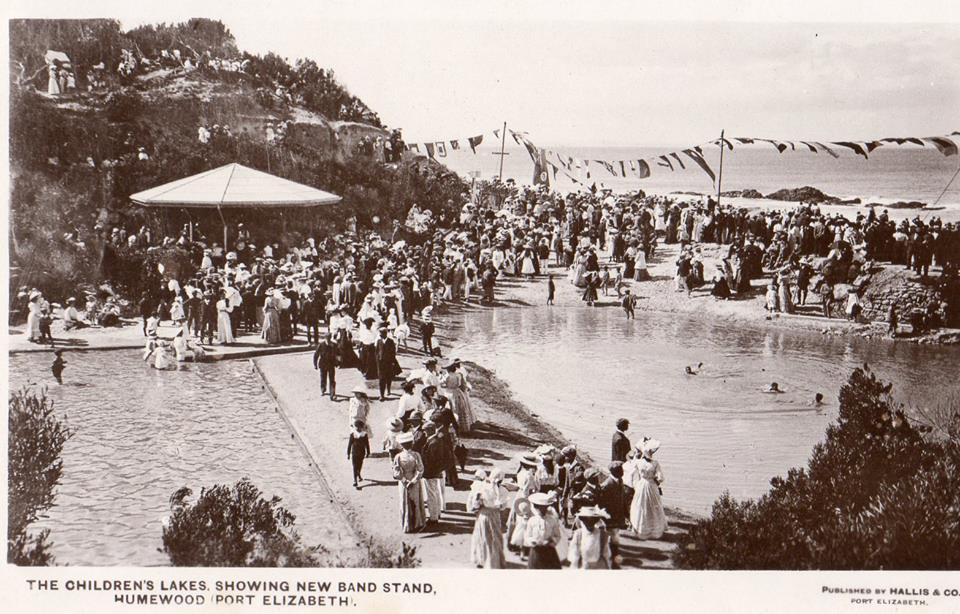
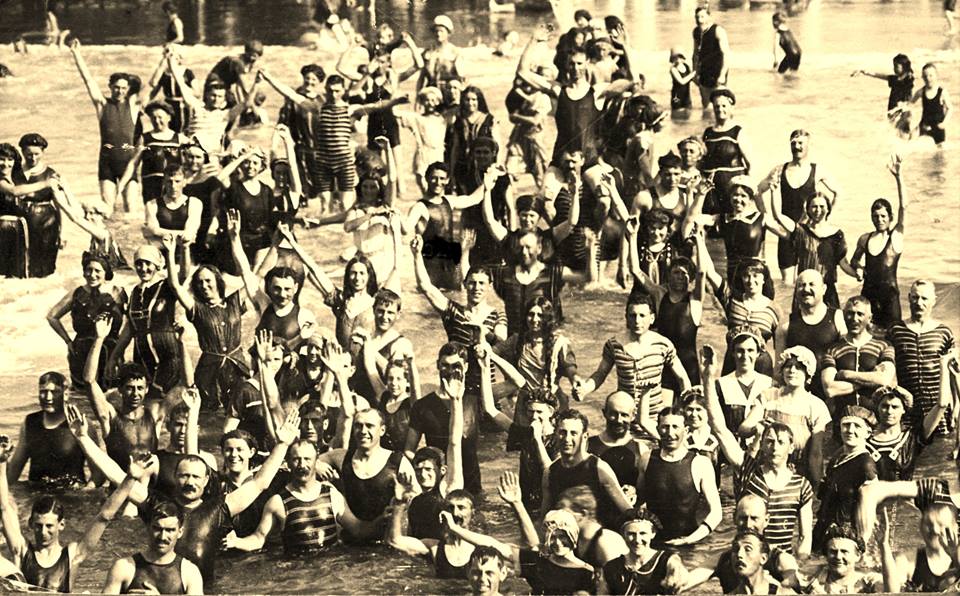
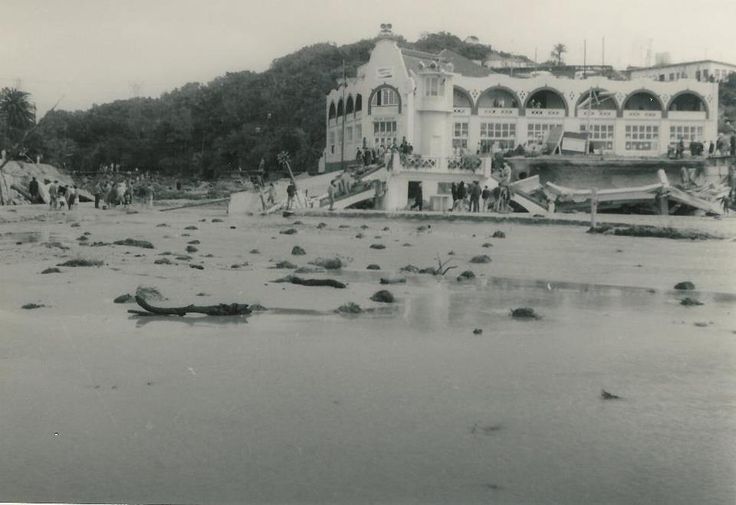
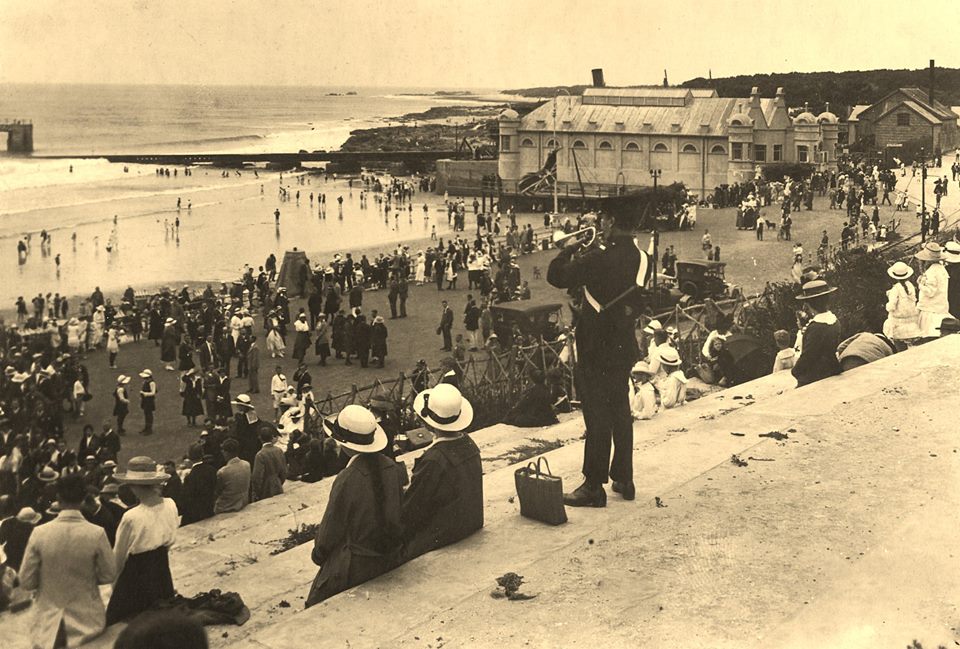
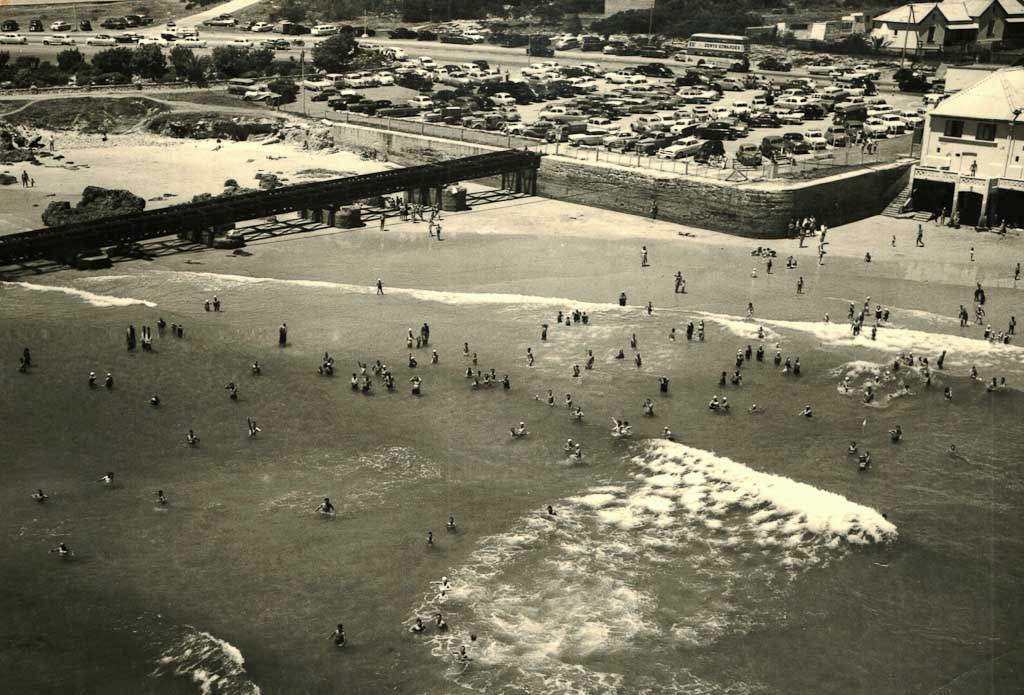
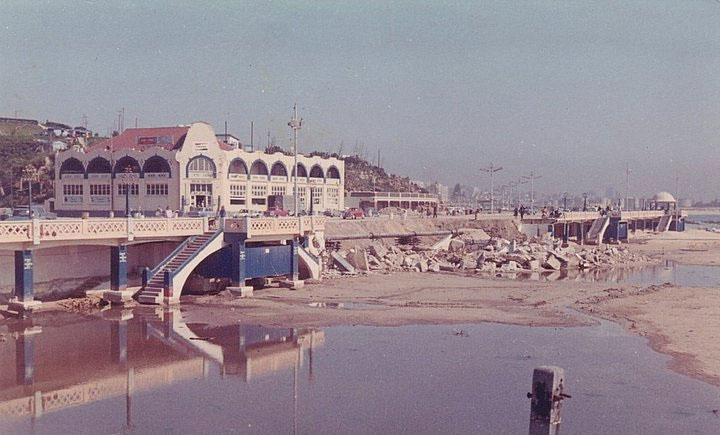
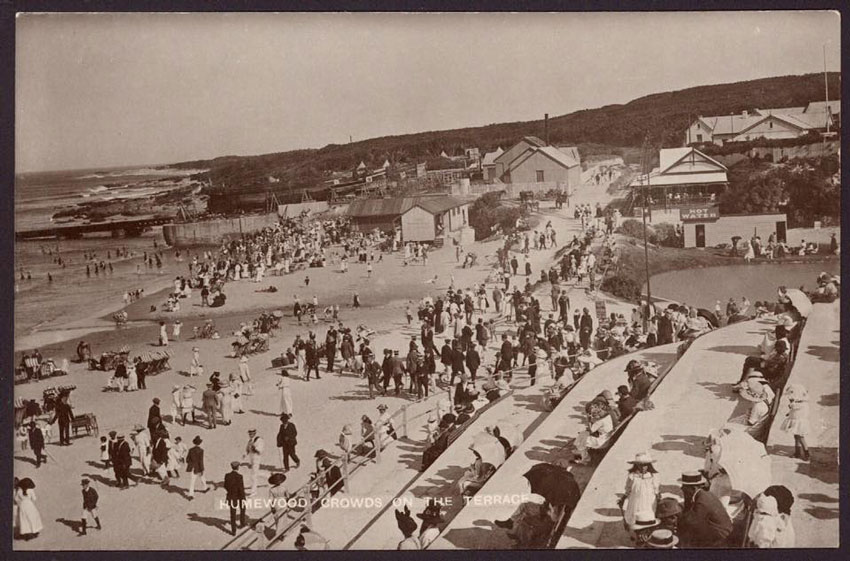
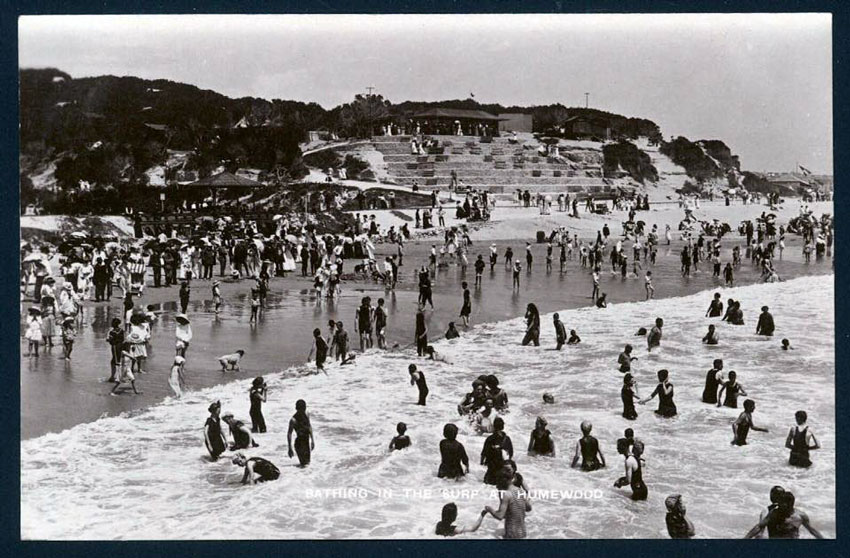
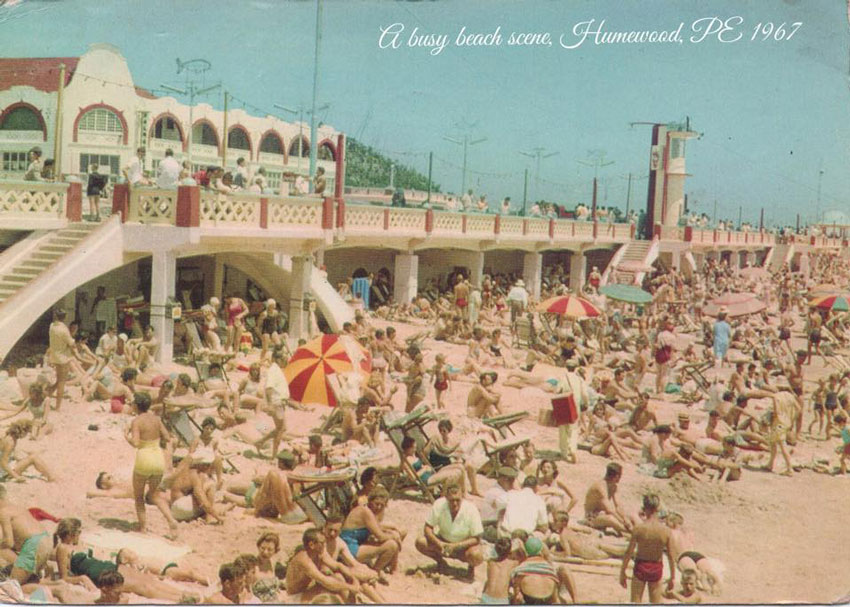
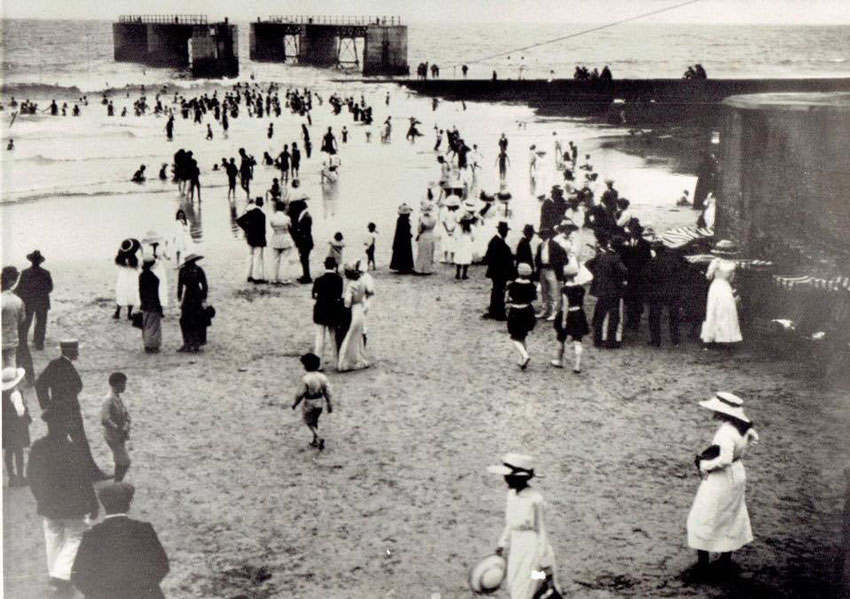
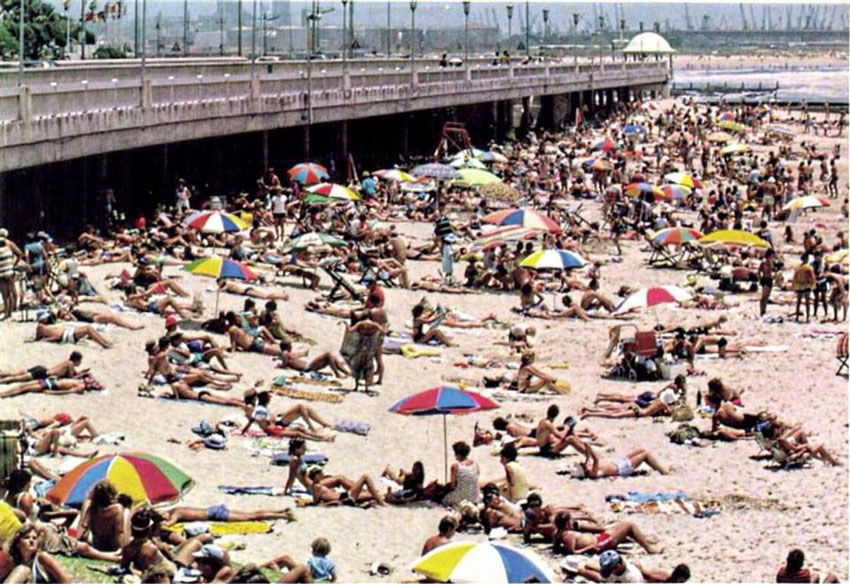
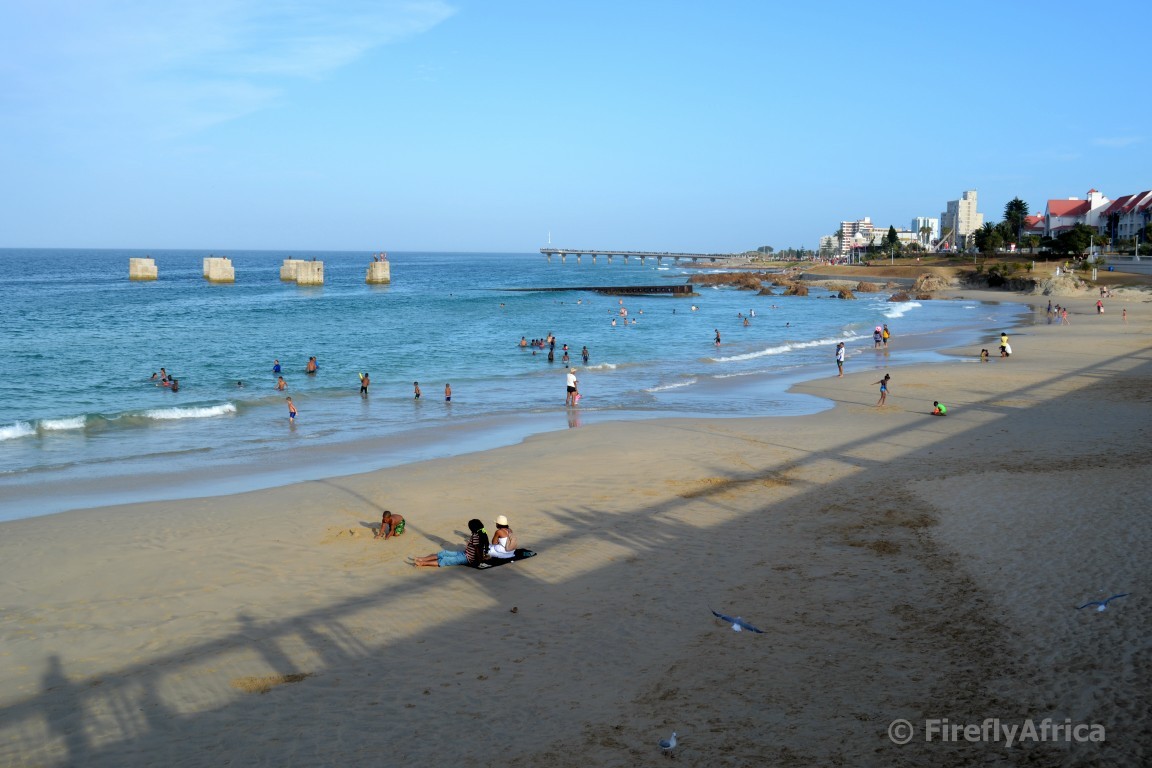
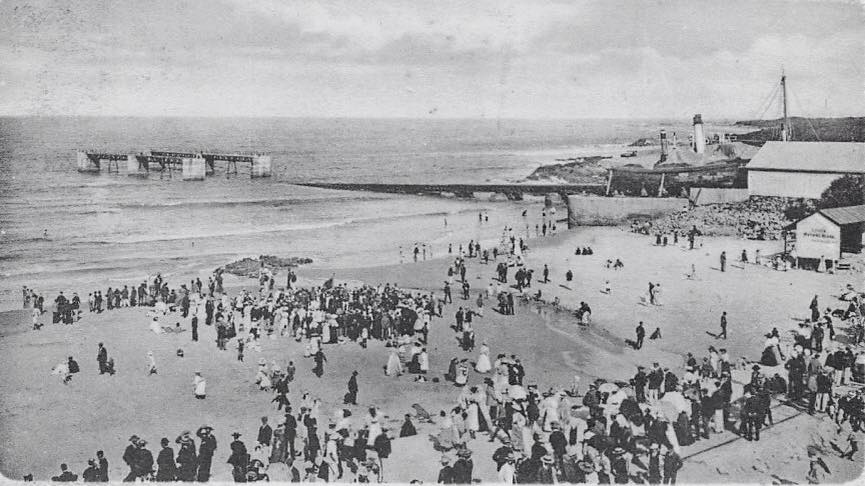
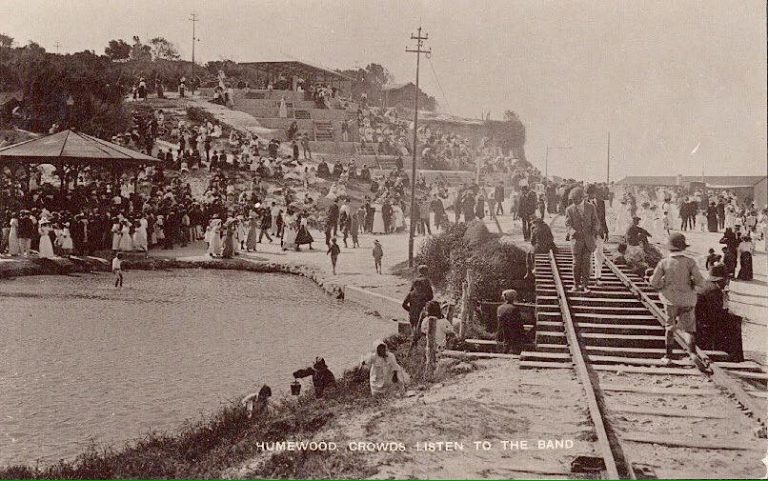
The area around Humewood has changed quite a lot over the years, since Humewood Beach was the most popular destination for swimmers in Port Elizabeth. In the late 19th century, the municipality created various attractions, including a railway station, various kiosks, an indoor swimming pool, a paddling pool for children.
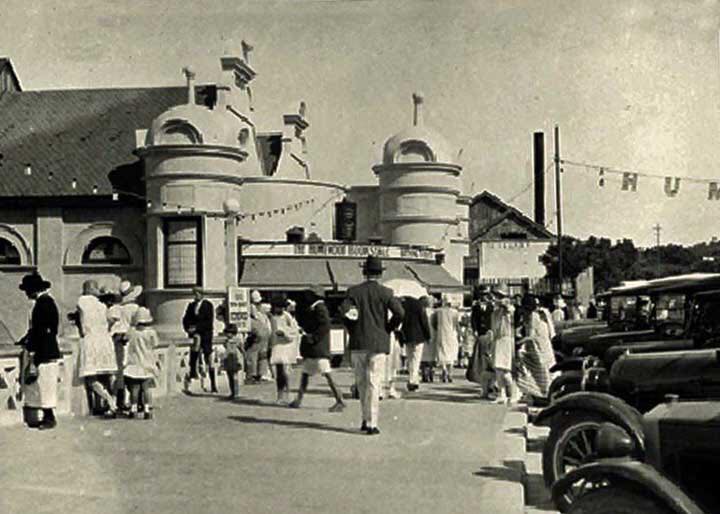
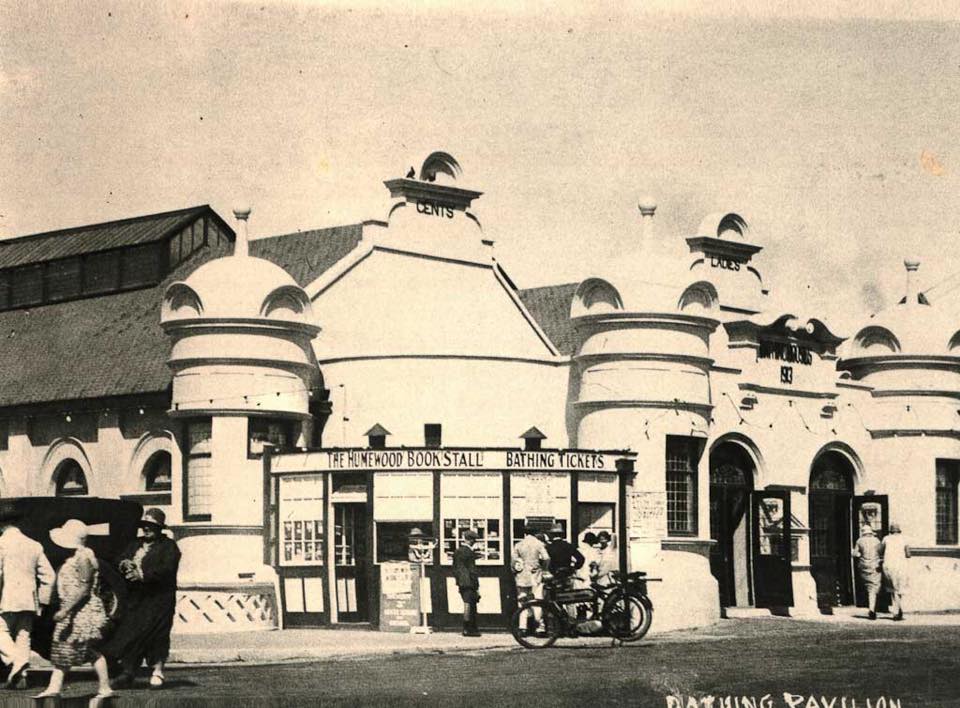
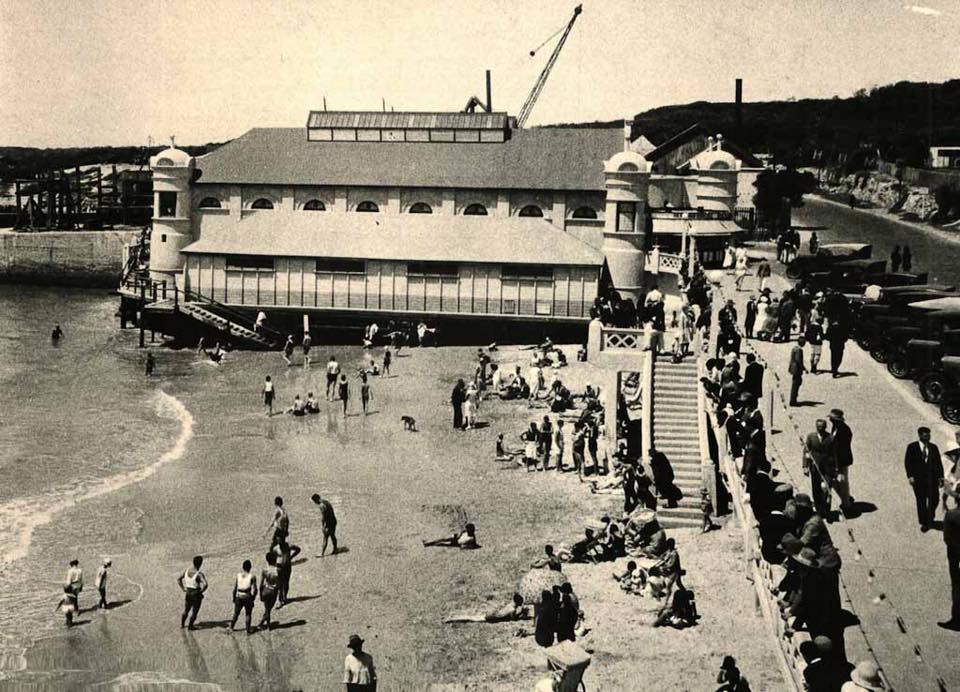
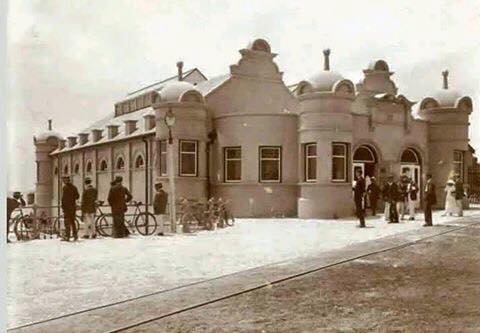
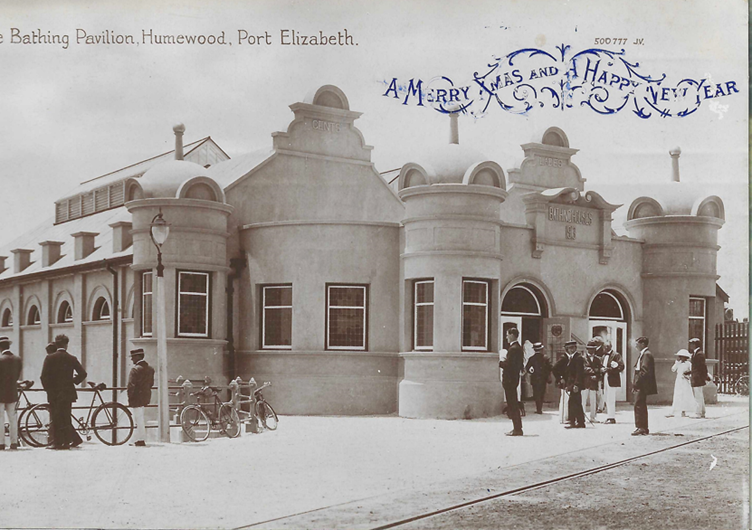
The Humewood Bathing House opened in 1913.
The building was built right on the beach with a foundation of reinforced concrete on rock and the waves washed up against the building at high tide. Bathers would pay to go inside and change into their costumes in their own private cubicles. The old ladies bathing house was removed when this building was built. The Bathing House was demolished after the 1968 flood.
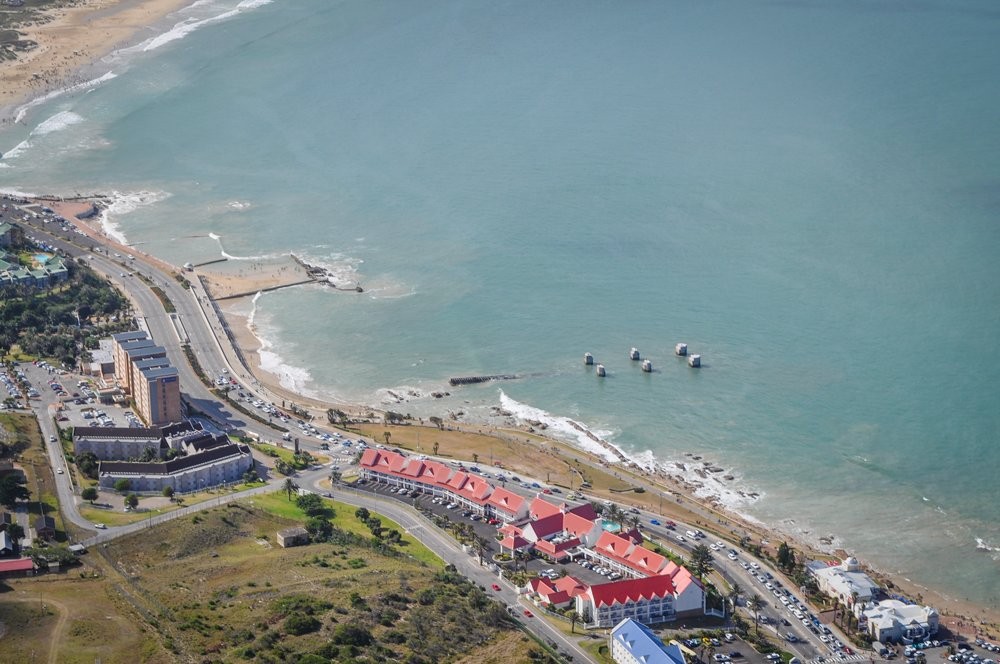
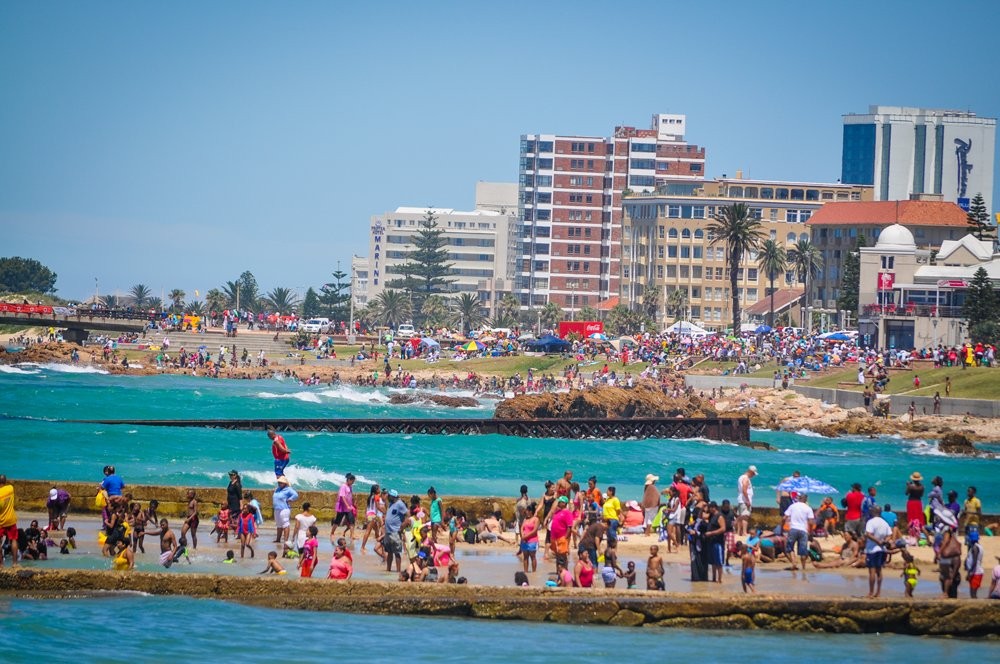
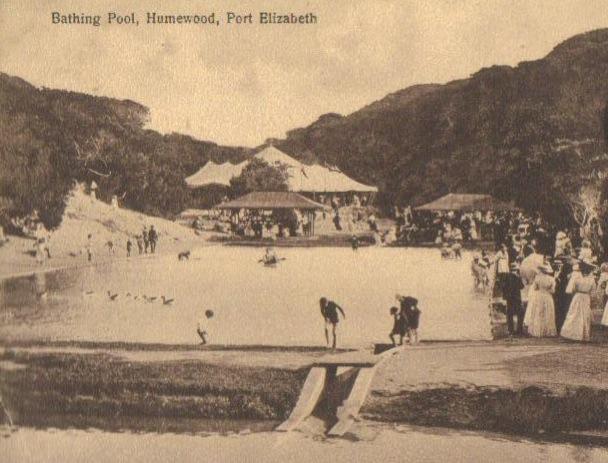
The Municipality recognised the need for a safe swimming space in Humewood. It created a large tidal pool, which has evolved over the years to become two separate swimming pools - one freshwater and one still tidal salt water-filled.
Note the added local attraction of the former Port Elizabeth Aquarium, which is now derelict.
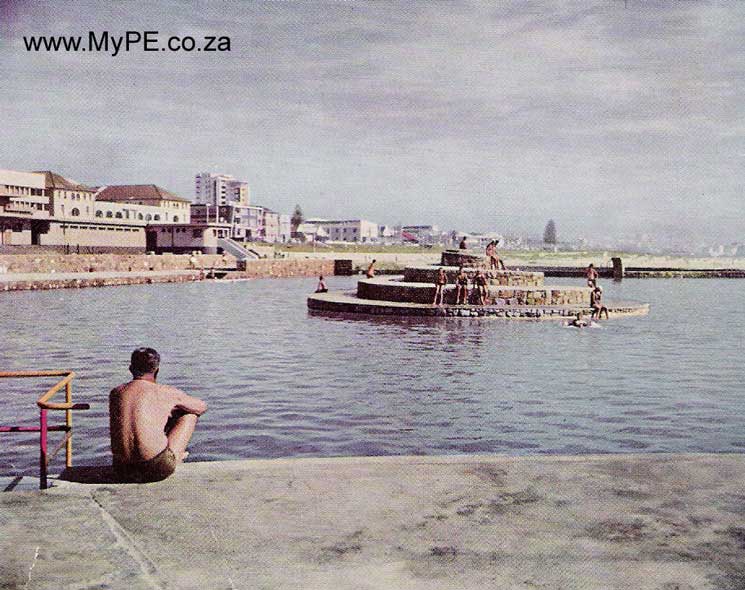
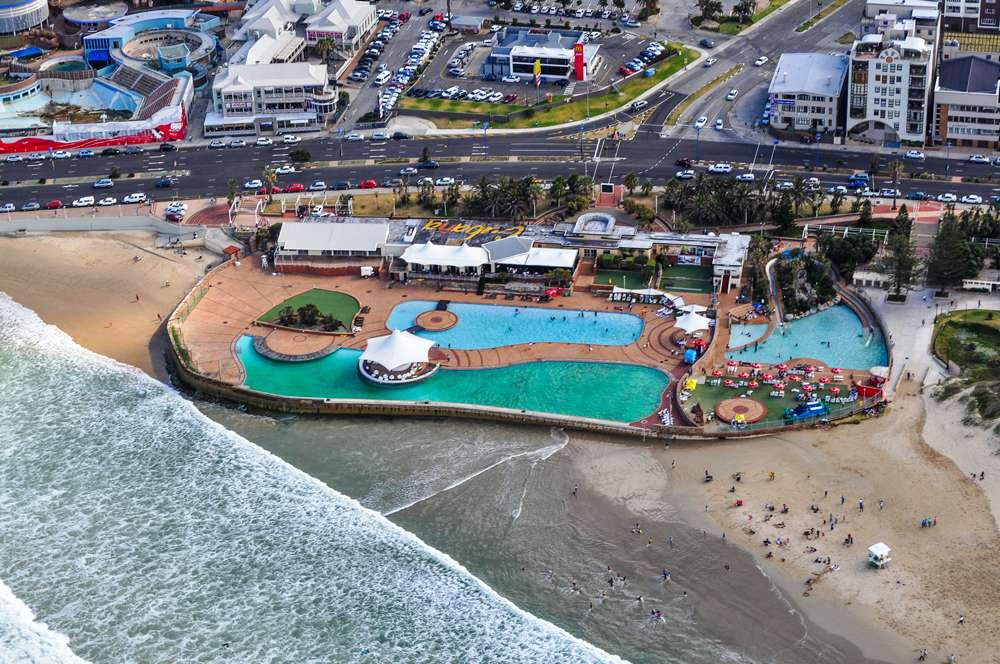
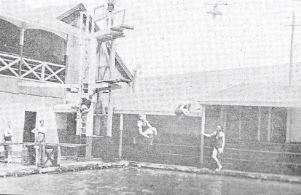
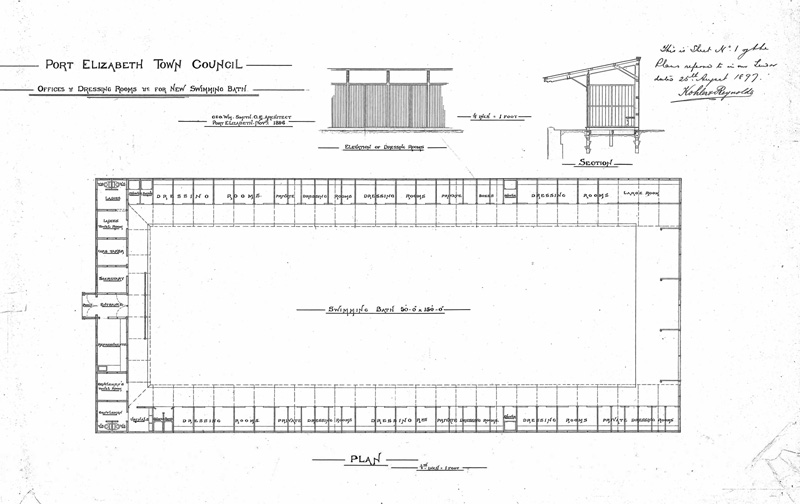
In 1898, the Municipality created a swimming pool near the harbour. Australian world champion swimmer Ernest Cavill attended the opening, and the first inter-provincial water polo and swimming Championships were held there in February 1900.
On the 2nd July 1898, the Mayor, Alexander Fettes, opened the new sea water swimming bath on the reclaimed land south of the Customs House. This opening was commemorated by holding an “Aquatic Carnival”. The land was donated by the Harbour Board while the Council spent £4000 on its construction. Read more →
The pool was demolished in 1930.
1898 also witnessed the establishment of the oldest existing swimming club in South Africa - the Port Elizabeth Amateur Swimming Club (PEA). In 1899, the South African Amateur Swimming Union was established at the Phoenix Hotel in Port Elizabeth.
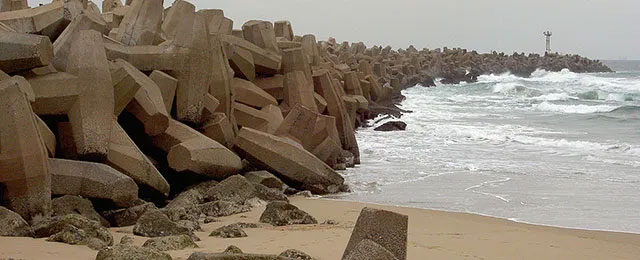
Note the waterline near the pool. Today, the shoreline along this stretch of coast is covered in dolosse. Read more about these concrete marvels here →