Port Elizabeth Tidal Pools
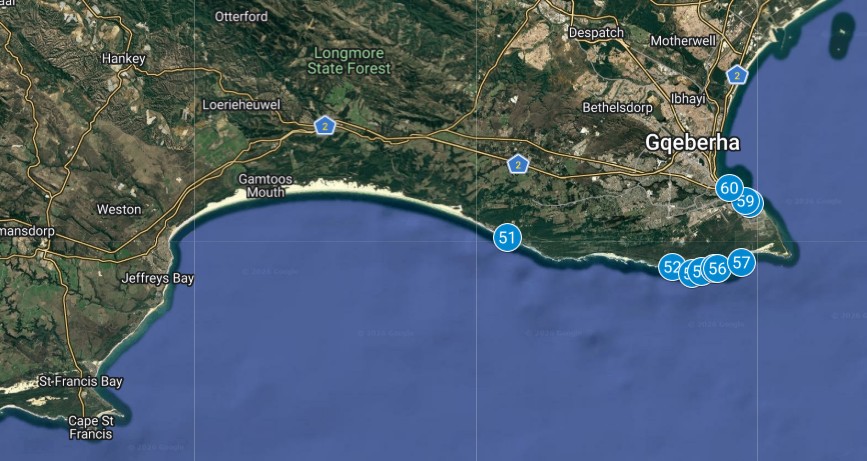
The coastline from George to Port Elizabeth is backed by the Cape Fold Mountains, which create deep ravines and steep shorelines. It is still largely inaccessible by road. The land is, or was, covered by the Afromontane Knysna Forest, while
Before the N2 national road was built through the forest miles from the coast, the old Garden Route followed the contours down into the ravines, like Bloukrans Pass.
Eastwards from Port Elizabeth, the shoreline begins to flatten as the Cape Fold Belt ends at Port Alfred. Almost the entire 280 kms from PE to East London is a sandy beach. Read more about the geology of Port Elizabeth here →
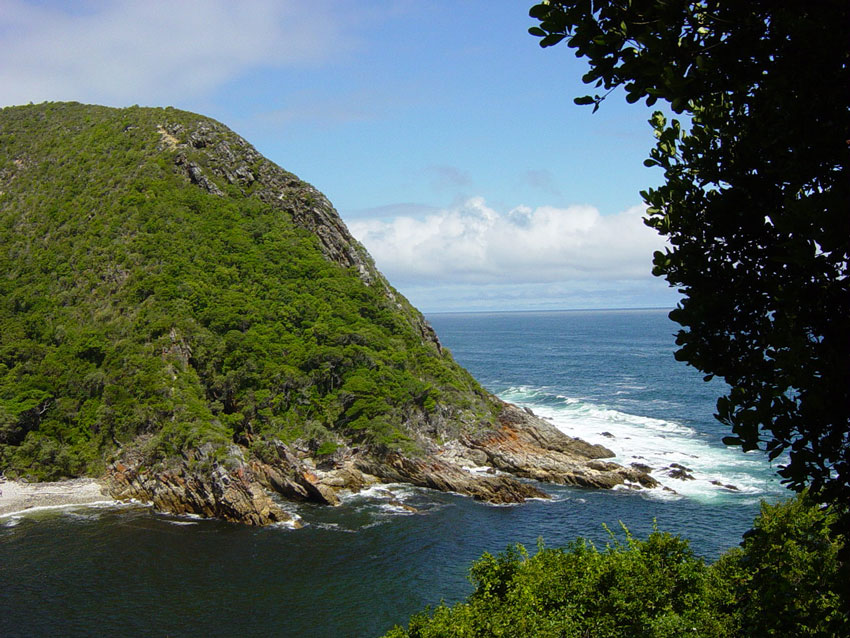
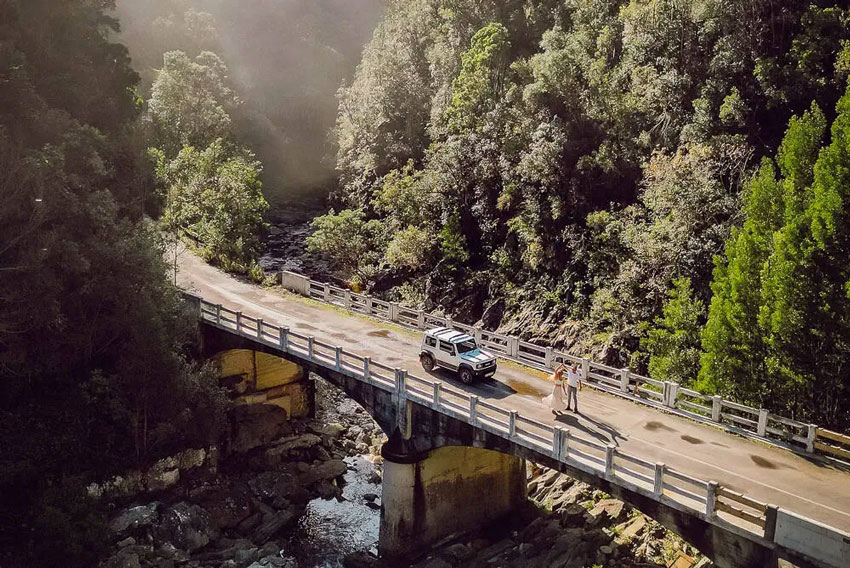
East of Victoria Bay lie the holiday towns of Plettenberg Bay, Jefferys Bay and Cape St Farncis. There are also a number of tourist attractions, like the Otter Hiking Trail, Bloukrans bungee jump (the world’s highest bridge bungee jump) and Super Tubes surfing at Plettenberg Bay.
The town of Port Elizabeth grew to be the commercial centre of the Cape Colony from the arrival of the 1820 British Settlers, who brought their love of watersports to the Bay. Humewood was their favourite beach, and from 1893, the Humewood area was opened for swimming or for housing. Humewood railway station was built in 1899.
Port Elizabeth became a popular holiday destination for Karoo residents in the 20th century, who knew it as "Die Baai" (the Bay). The municipality provided several caravan and camping sites at the van Stadens River Mouth, Willows Resort and Brookes Hill at Humewood. In 1899, the local narrow gauge railway was extended to Humewood, where various pools and other attractions for visitors were created, including a child's paddling pool and an indoor saltwater-filled swimming pool. The pool lasted until it was damaged during the 1968 floods. The construction of groynes designed to trap sand created a tidal pool at Humewood beach.
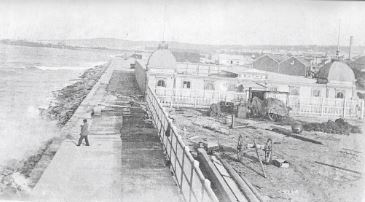
The South African Amateur Swimming Union (SAASU) was founded in Port Elizabeth in 1899, and it held the first inter-provincial water polo and swimming Championships at a saltwater pool in the harbour at Fleming Street (below).
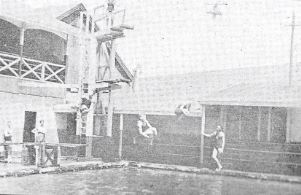
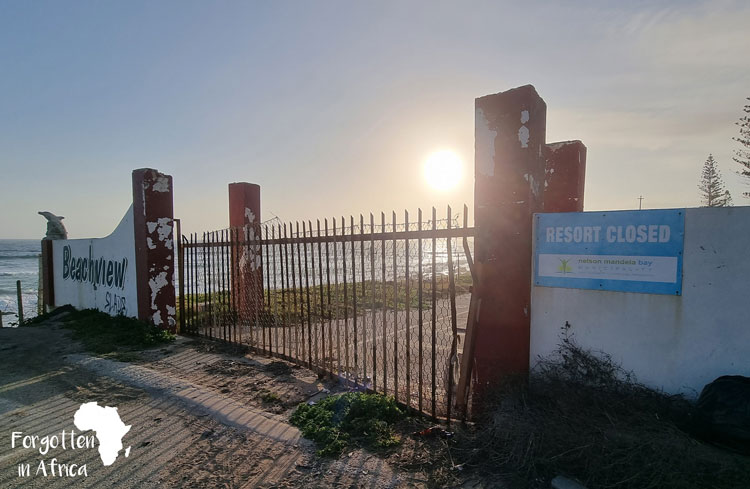
58. Beachview Tidal Pool
The first tidal pool built along the coast is at Beachview, which was a popular municipal resort.
The Beachview Resort, once a vibrant coastal getaway, now lies in ruins after nearly two decades of neglect and municipal failure. With its infrastructure crumbling and rampant vandalism a constant headache, a decision has finally been approved for the resort’s demolition.
The tidal pool, like many such facilities, can be a dangerous place to swim. The waves, murky water and rocky bottoms have led to frequent drownings, although alcohol is often a contributing factor. Since the demise of the Resort, there are no municipal lifegaurds on duty at Beachview.


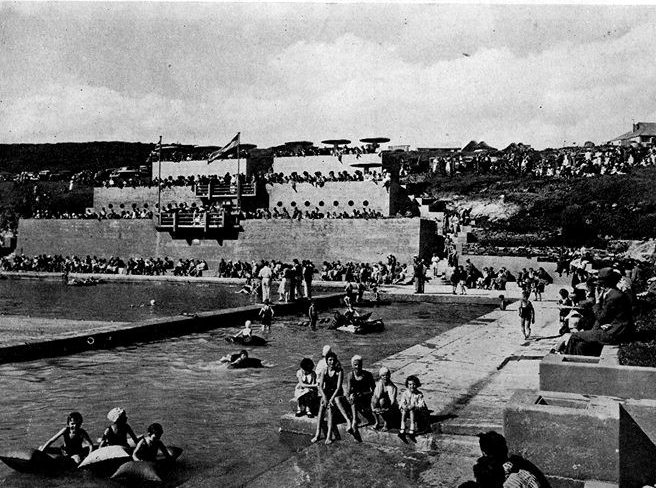
59. Sea View Tidal Pool
Like its neighbour in Beachview, the Seaview Resort, which inclkuded a hoterl and a 1930's art deco tidal pool, have been demolished.
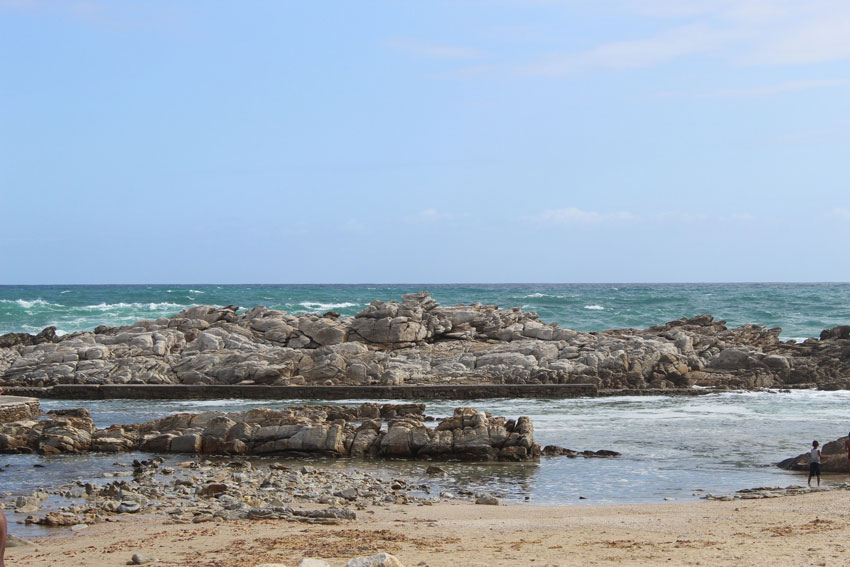
60. Mangoldspools Caravan Park Tidal Pool
Originally a natural rocky inlet, it was developed into a safer swimming area and eventually a popular caravan park and resort.
Like many tidal pools along the South African coast, Mangolds Pool reflects the early 20th-century trend of "taming" the wild Southern Ocean to create safe swimming spots for holidaymakers. These pools were often created by building concrete walls across natural rocky gullies to retain water during low tide. Maritime History: The rugged coastline near Mangolds Pool is known for its shipwrecks, including the wreck of the Klaas. During World War II, nearby locations like the Hotel Minhetti also featured tidal pools that were used by stationed soldiers.

61. Schoenies Malay Camp Tidal Pool
The name "Malay Camp" is rooted in the history of the Malay community from the former South End suburb of Port Elizabeth. During the apartheid era, it became a traditional holiday spot where families—primarily from Malay, Chinese, and Indian backgrounds—would gather to camp during the December and January holidays. This tradition continues today, often featuring annual family camping weekends and community events.


62-65 The Willows
There are four tidal pools at the Willows Resort.
62. The first is called Willow Park Gate 5, which is primarily a caravan park and a daily visiting site. The large tidal pool is shallow and rocky.
63. Willow Grove is located 1,6km west of the Willows main camp.
With Algoa Bay being the Bottlenose Dolphin Capital of the World, our guests can occasionally enjoy seeing dolphins jump, play, spin and surf the waves while passing by.
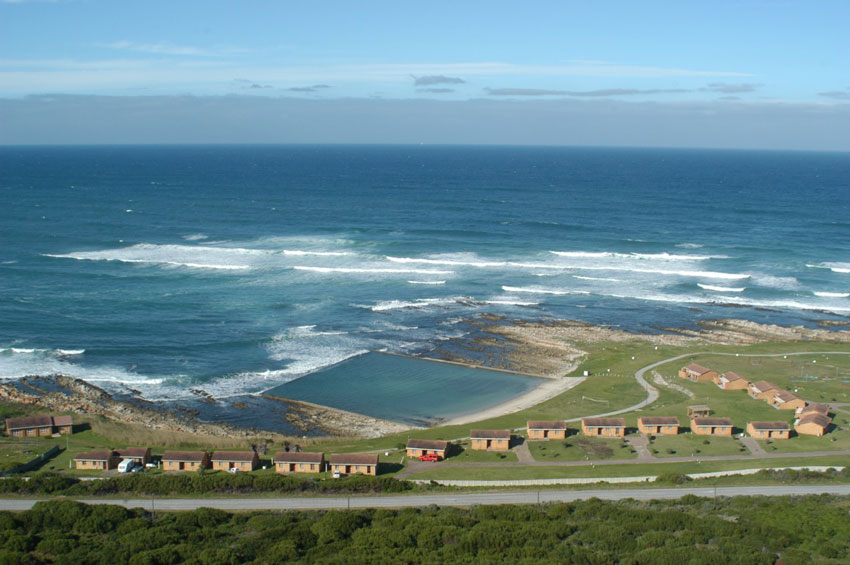
64. The Willows Resort Tidal Pool - click here to read the story of the Willows.
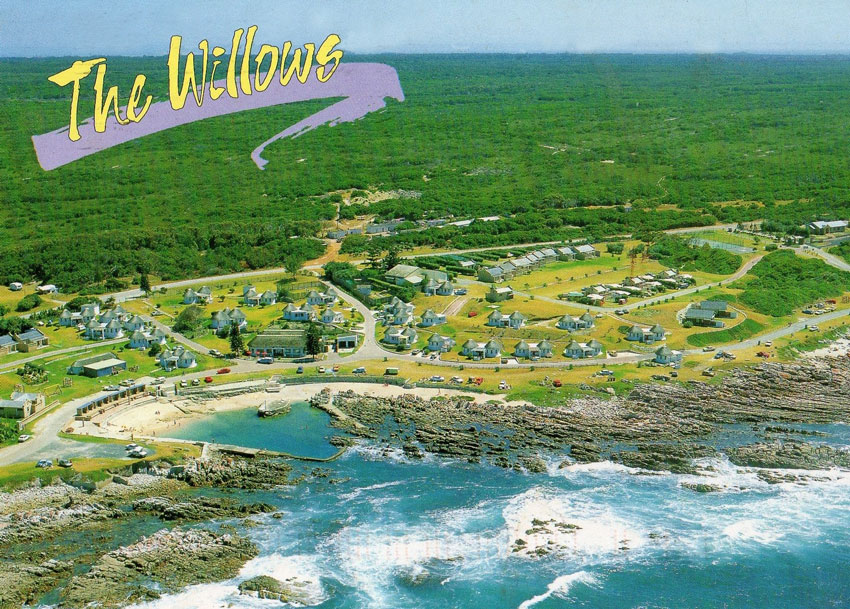
65. The Willow Resort and Conference Centre Tidal Pool
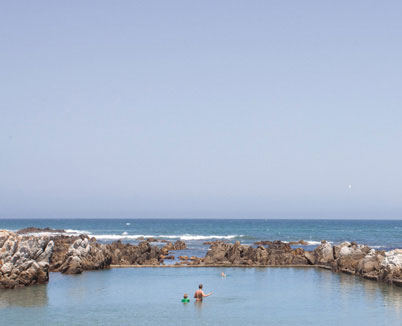
66. Noordhoek Camping Ground Tidal Pool
The area's formal recreational history is closely linked to the Noordhoek Ski Boat Club, which was established in 1974. Unlike modern luxury resorts, Noordhoek has historically maintained a rustic, electricity-free camping experience. This was intentional to preserve the natural coastal atmosphere of the Eastern Cape coastline.
Below is the tidal pool filling up with the tide.

67. Humewood
The area around Humewood has changed quite a lot over the years, since Humewood Beach was the most popular destination for swimmers in Port Elizabeth. In the late 19th century, the municipality created various attractions, including a railway station, various kiosks, an indoor swimming pool, a paddling pool for children.
The Humewood Bathing House opened in 1913.
The building was built right on the beach with a foundation of reinforced concrete on rock and the waves washed up against the building at high tide. Bathers would pay to go inside and change into their costumes in their own private cubicles. The old ladies bathing house was removed when this building was built. The Bathing House was demolished after the 1968 flood.

68. MacArthur's Baths
The Municipality recognised the need for a safe swimming space in Humewood. It created a large tidal pool, which has evolved over the years to become two separate swimming pools - one freshwater and one still tidal salt water-filled.
Note the added local attraction of the former Port Elizabeth Aquarium, which is now derelict.


69. Fleming Street Bath
In 1898, the Municipality created a swimming pool near the harbour. Australian world champion swimmer Ernest Cavill attended the opening, and the first inter-provincial water polo and swimming Championships were held there in February 1900.
On the 2nd July 1898, the Mayor, Alexander Fettes, opened the new sea water swimming bath on the reclaimed land south of the Customs House. This opening was commemorated by holding an “Aquatic Carnival”. The land was donated by the Harbour Board while the Council spent £4000 on its construction. Read more →
The pool was demolished in 1930.
1898 also witnessed the establishment of the oldest existing swimming club in South Africa - the Port Elizabeth Amateur Swimming Club (PEA). In 1899, the South African Amateur Swimming Union was established at the Phoenix Hotel in Port Elizabeth.
Note the waterline near the pool. Today, the shoreline along this stretch of coast is covered in dolosse. Read more about these concrete marvels here →


