Newton Park

Newton Park, Port Elizabeth

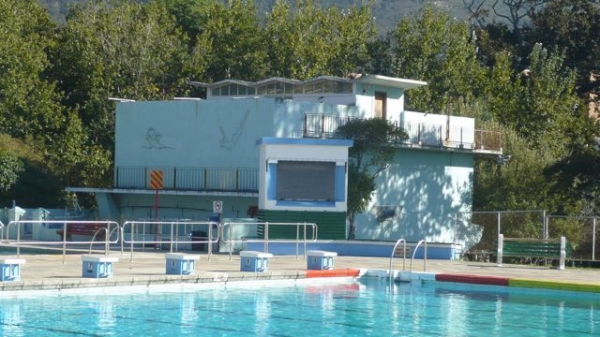
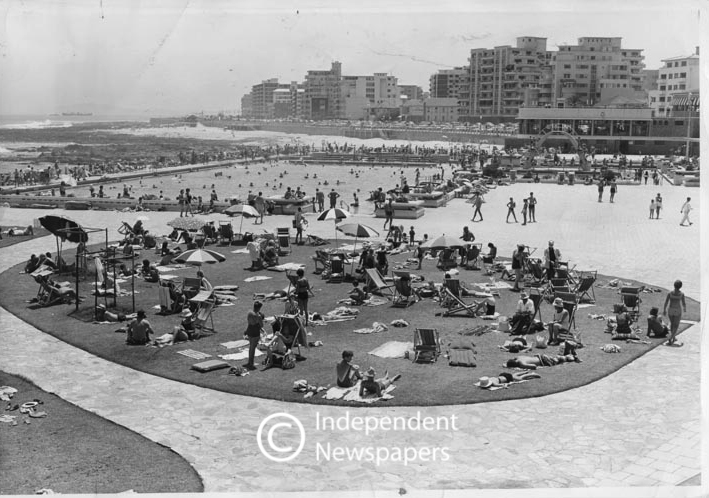
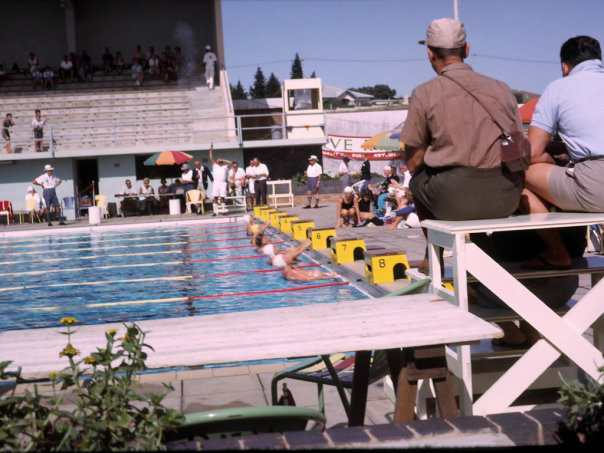
It replaced the older St George's Park pool as the venue for local swimming galas, and last used for the SA Championships in 1954. The diving pool, and a partial 3m board, can be seen on the right. The prevailing southwesterly winds blew from the right, creating waves in the shallow end! The starting blocks shown here are in the deep end.

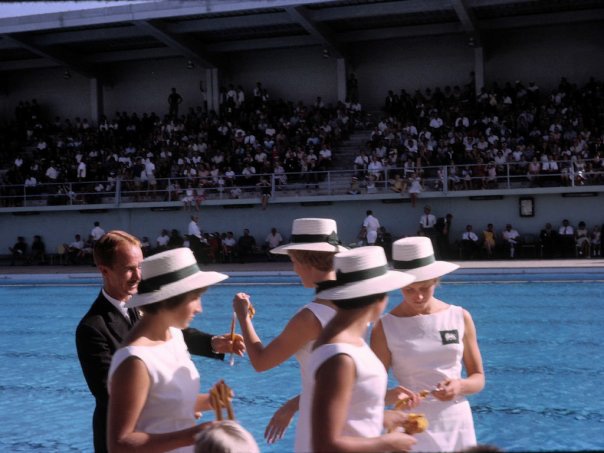
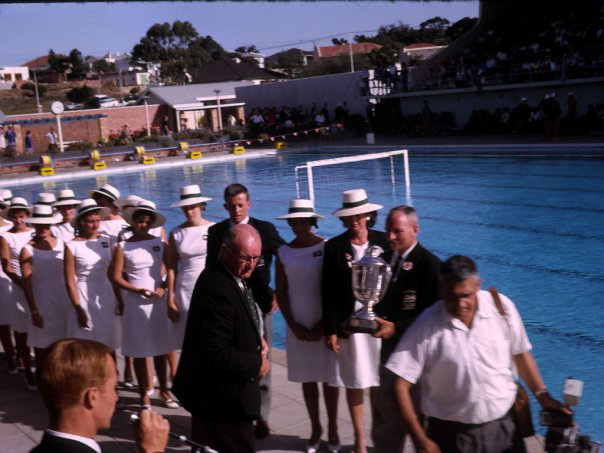
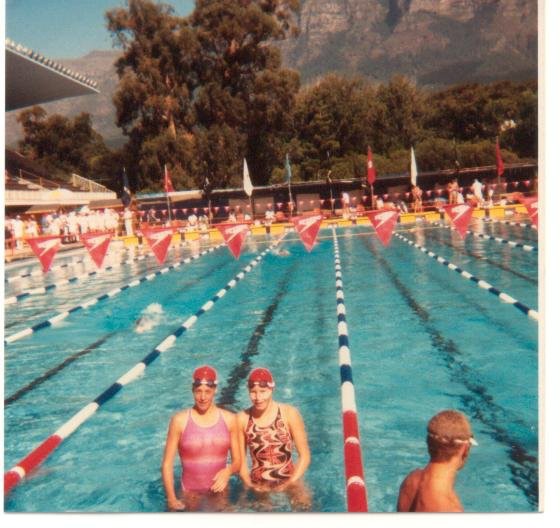
The Rhodesian swimming team members poolside at the 1964 SA Aquatic championships, held at the Newton Park municipal swimming and diving pools in Port Elizabeth.

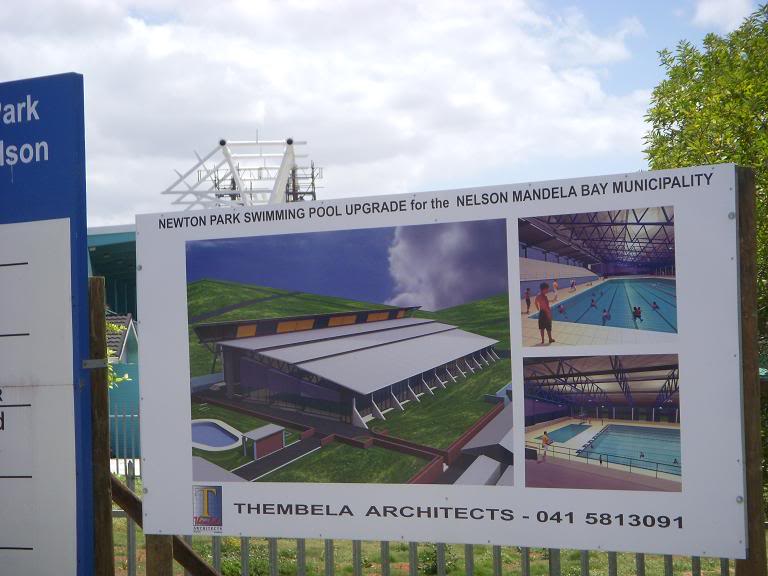
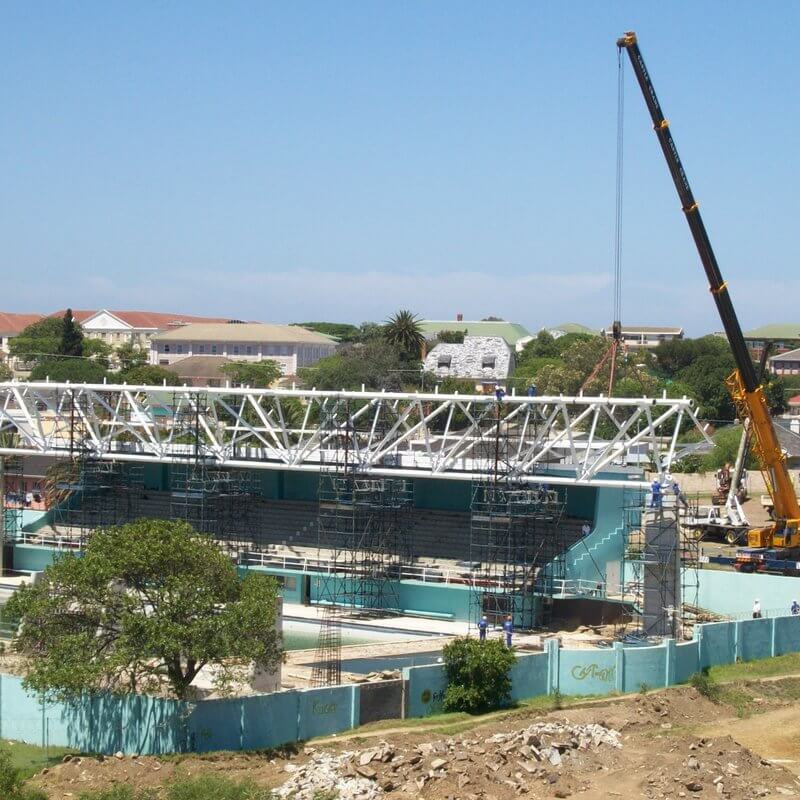
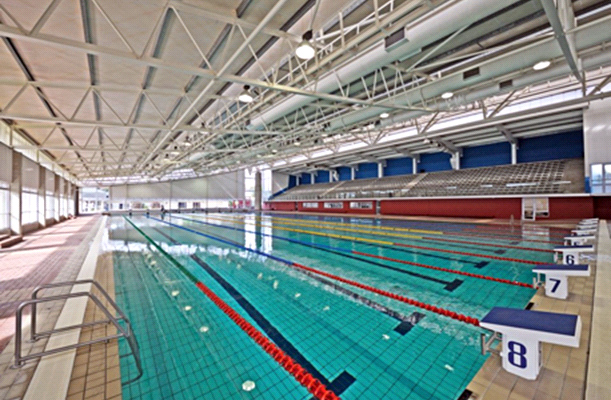
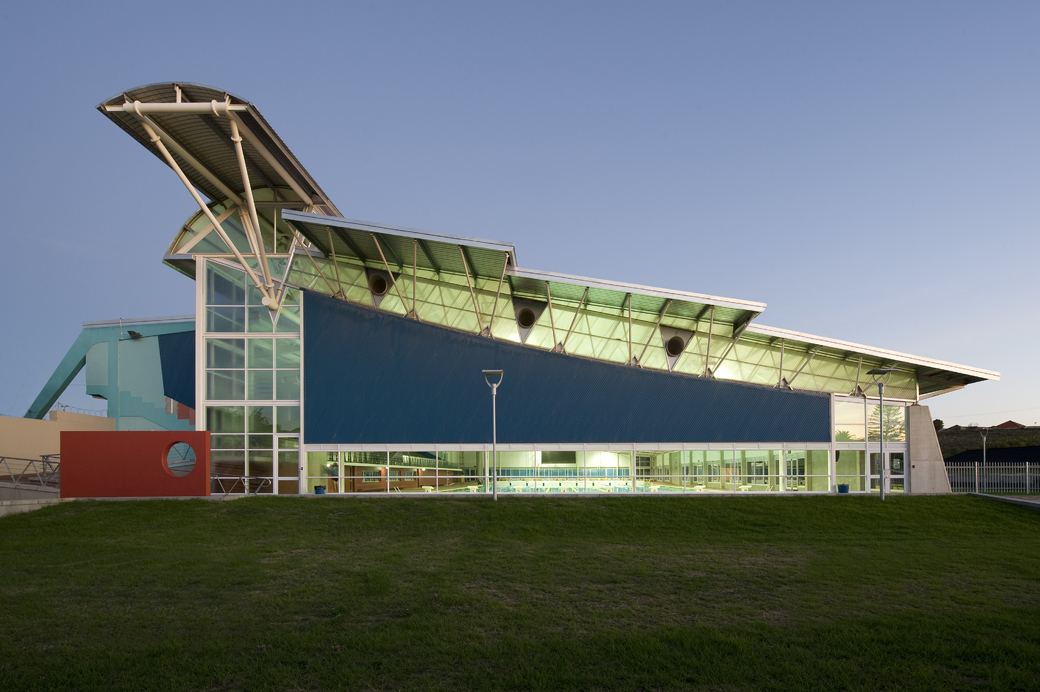
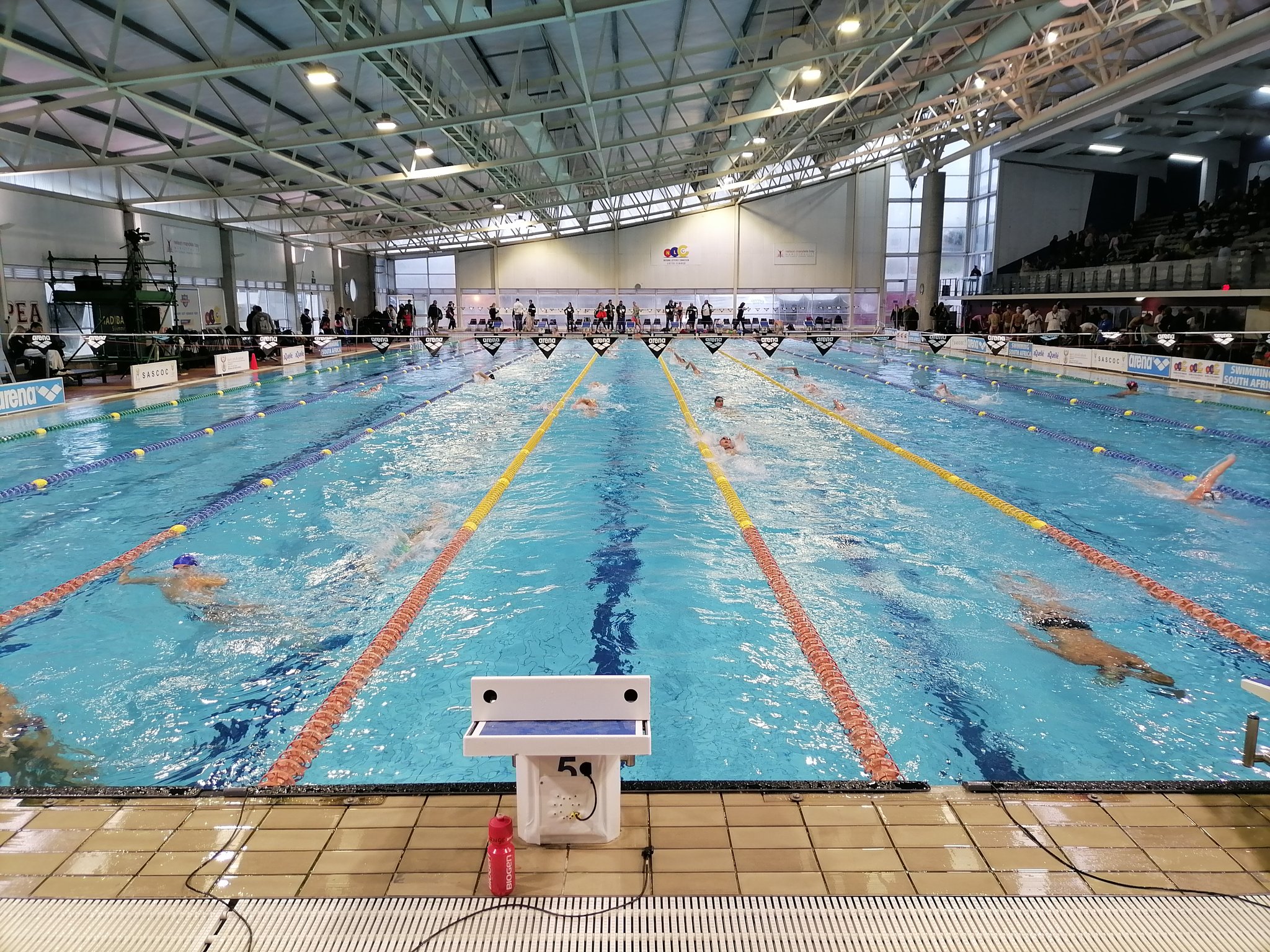
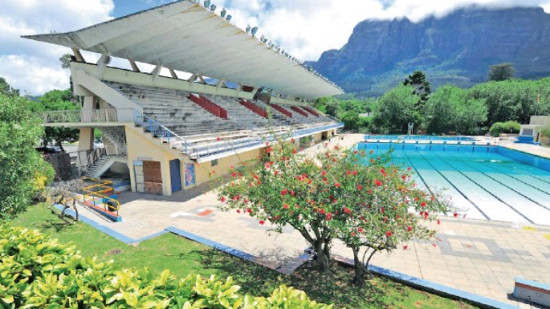
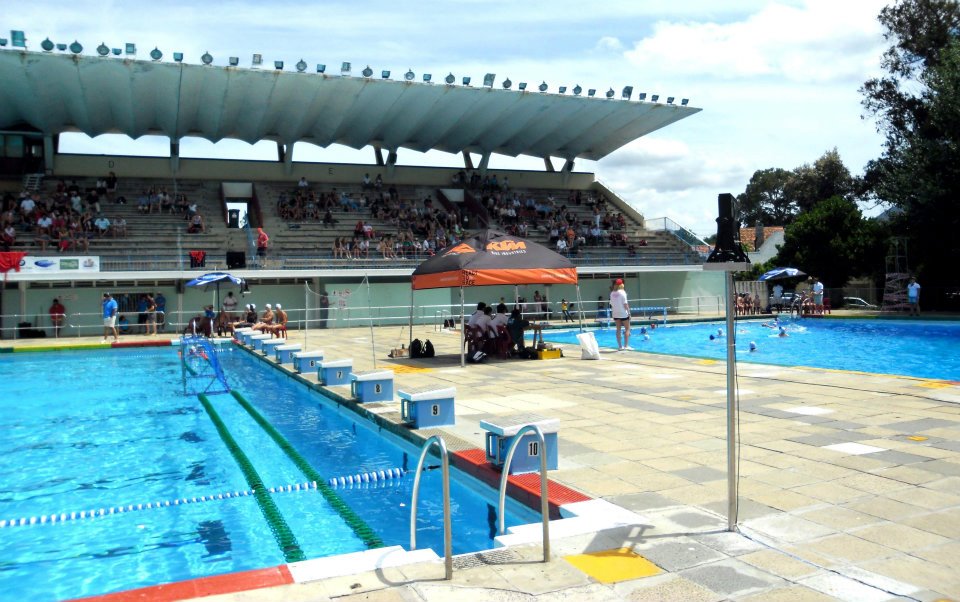
In 2008, the Newton Park venue was upgraded to an indoor pool and is typically the venue for the national swimming championships, as it is the only suitable indoor swimming pool in the country.

The brief required that the architects convert the existing 1950s-era Newton Park Pool from an open-air unheated pool to an indoor heated pool meeting international standards.  Budgetary constraints dictated the retention of the existing concrete grandstand, which had to be incorporated within a new clear-spanning structure without imposing additional loads on existing structures or impeding sightlines to the pool.

https://thembela.co.za/2023/11/20/newton-park-swimming-pool/ 

  • Hits: 1969

Newlands

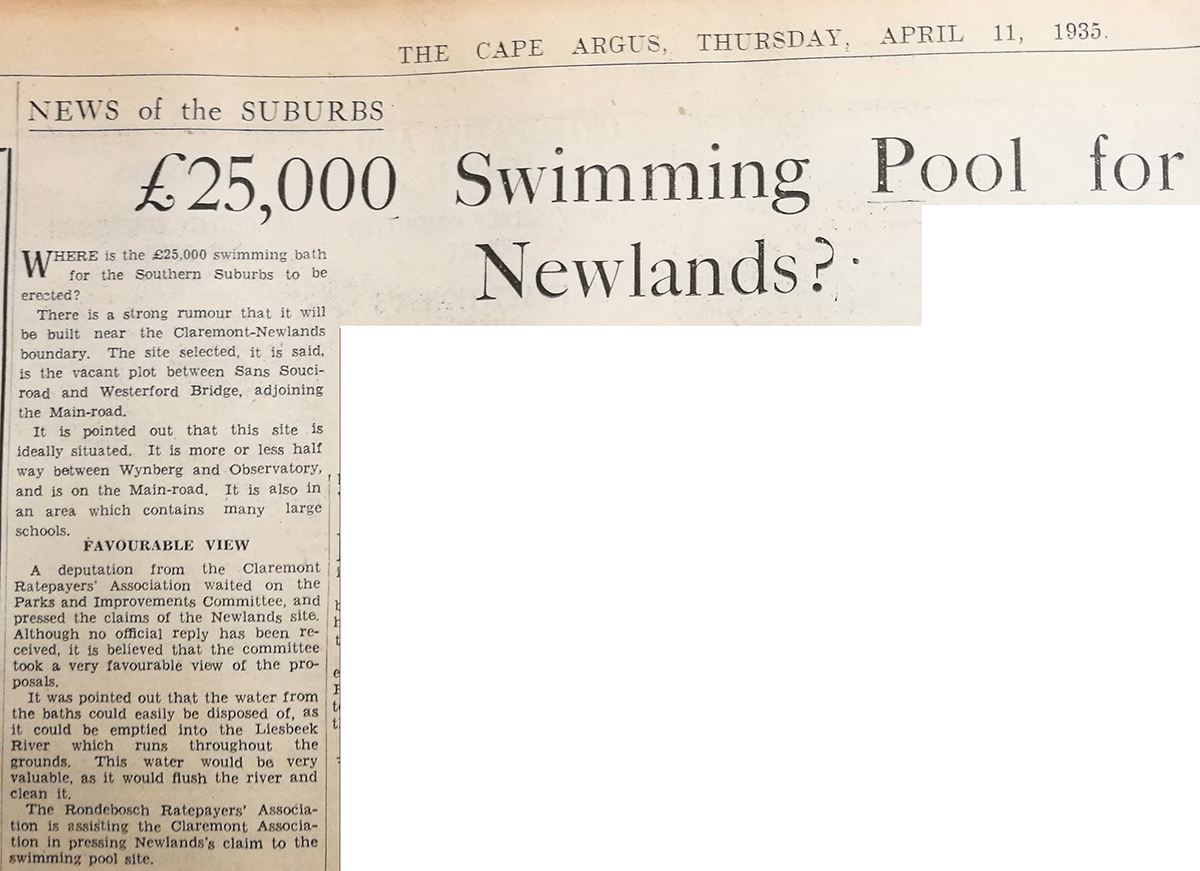
Newlands Pool, Cape Town

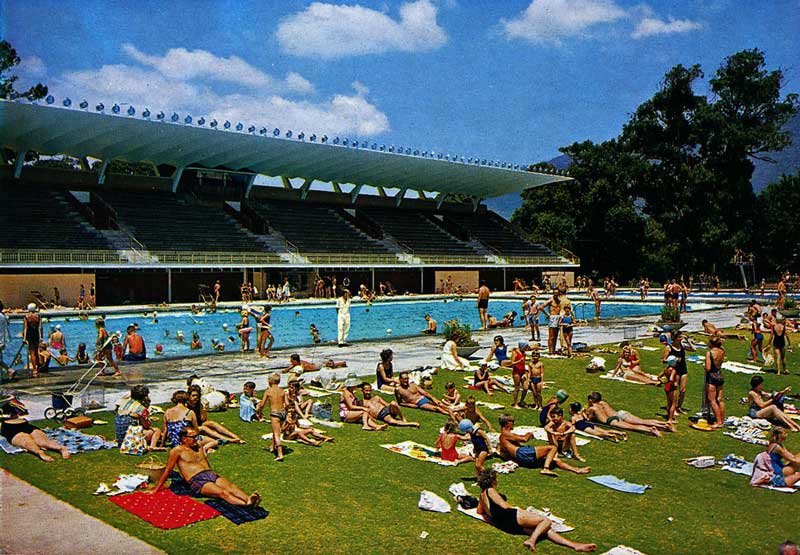
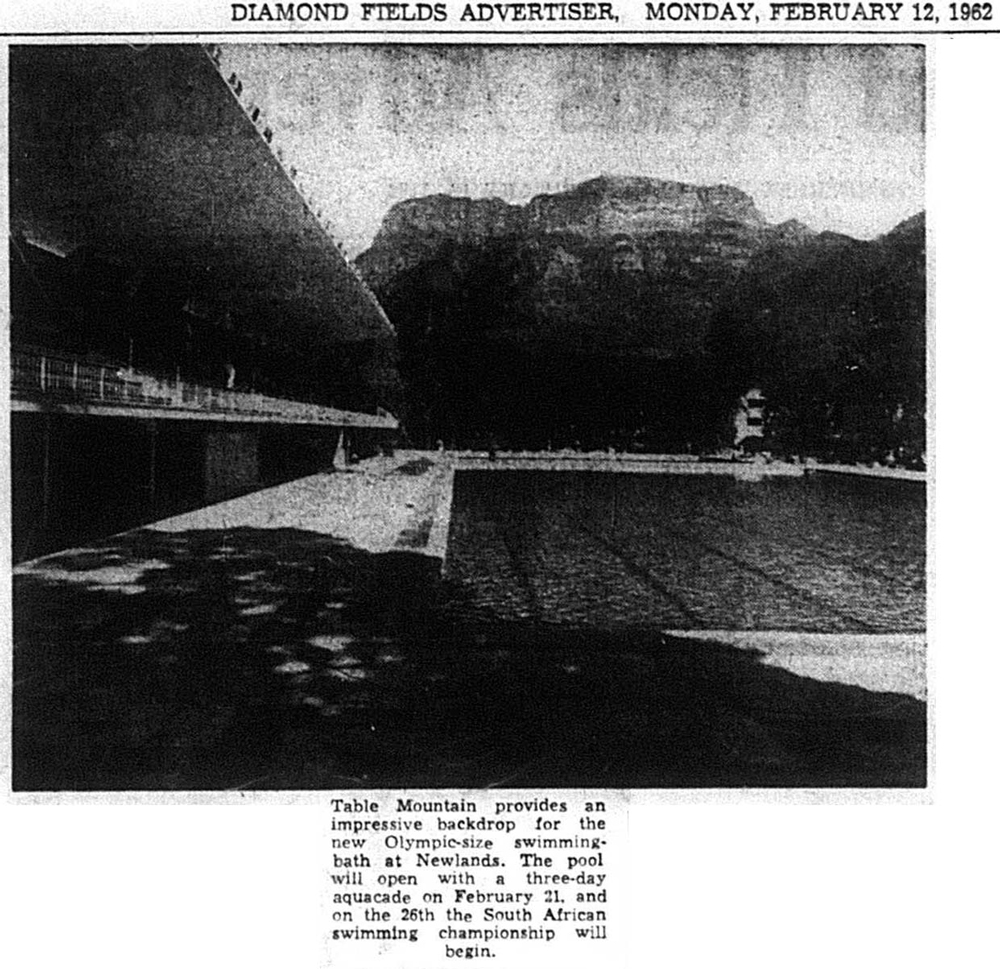
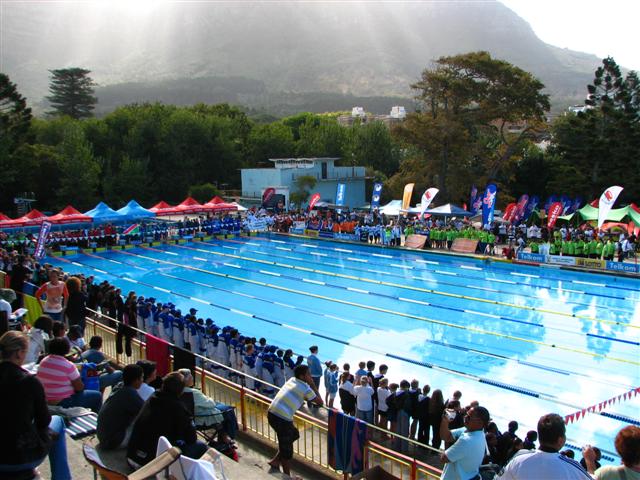
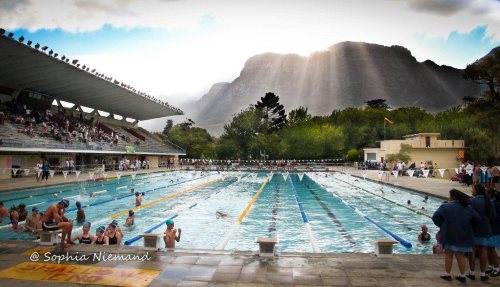
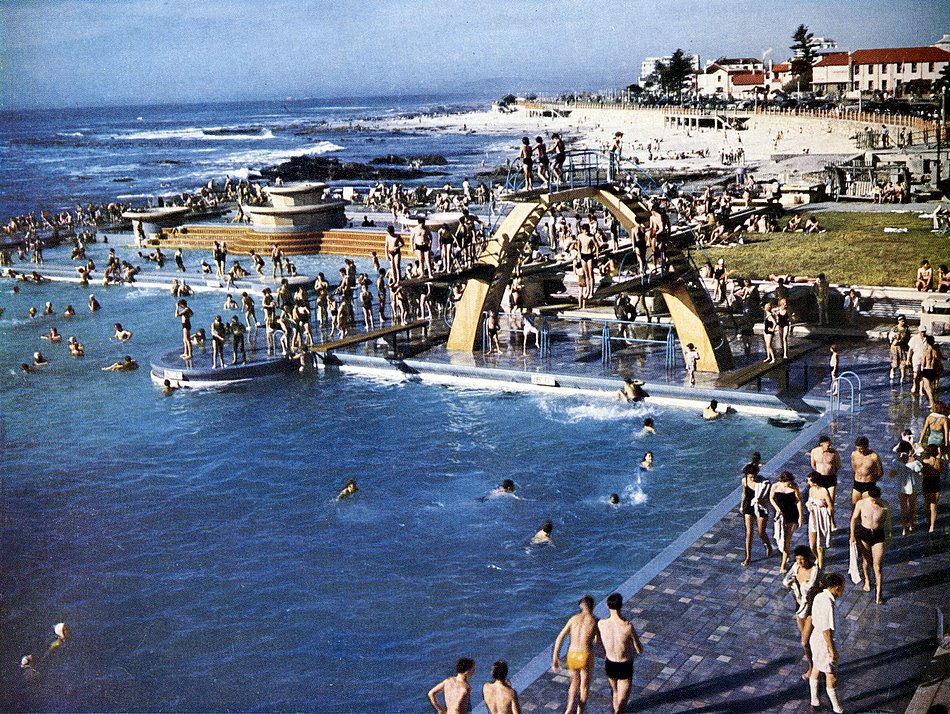
The 55-yard pool was the scene for the dramatic 1969 South African Swimming Championships, where Karen Muir set a world record in the 440-yard Individual Medley.

In the mid-1900s, the world became increasingly obsessed with the space race between the United States and Russia. Architecture began to reflect this obsession, and design became sleek and futuristic. Mid-century modernism, as the style is now called, often depicts motion with upswept roofs and the use of geometric and curvaceous shapes.

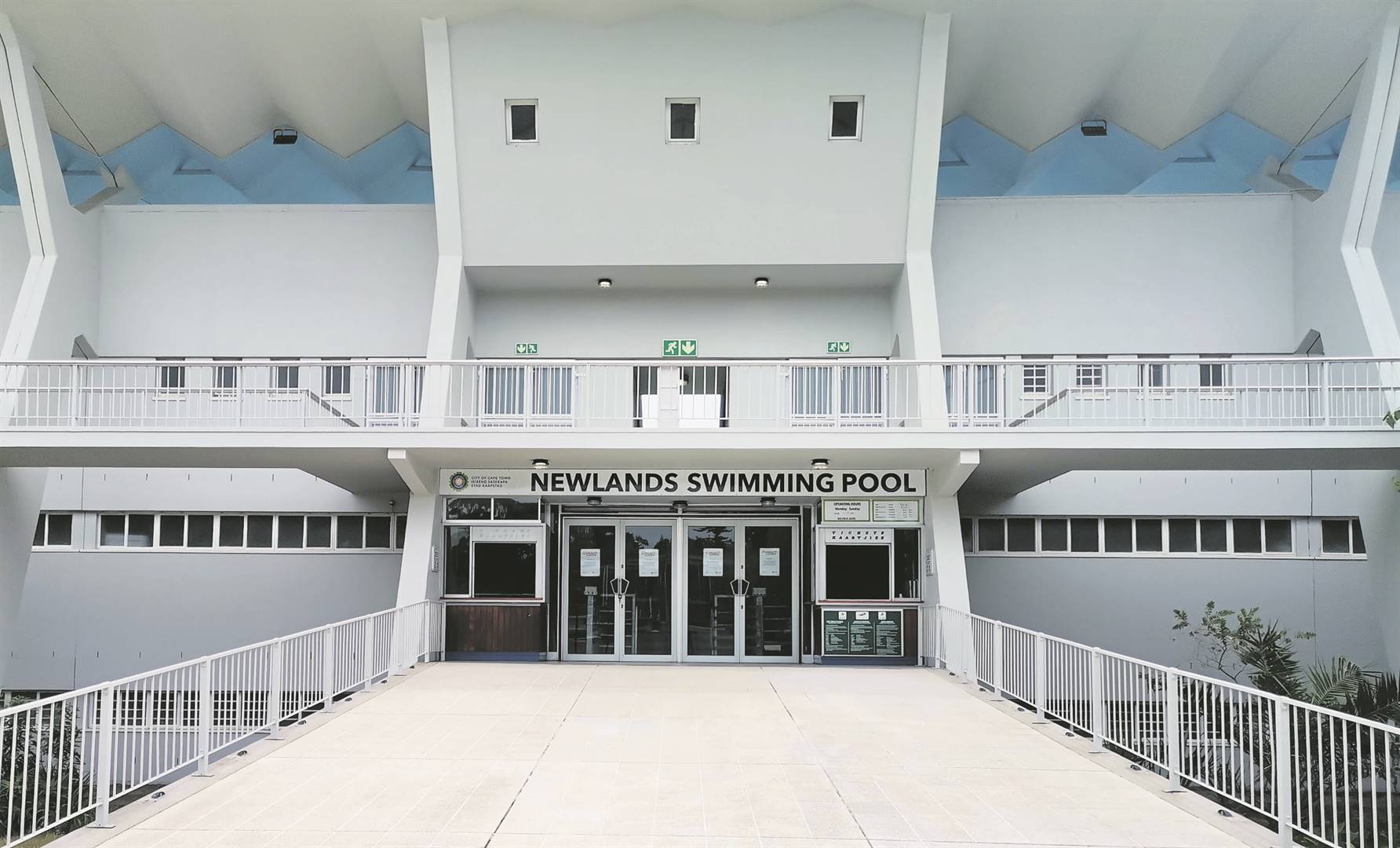
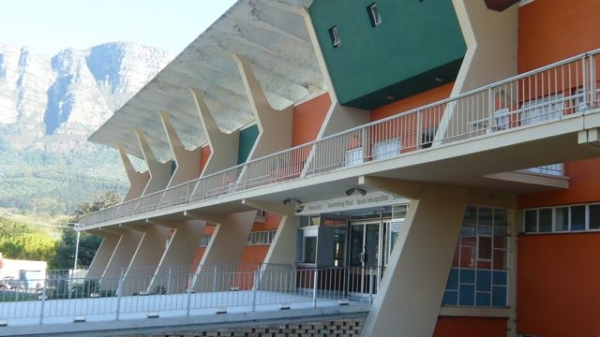
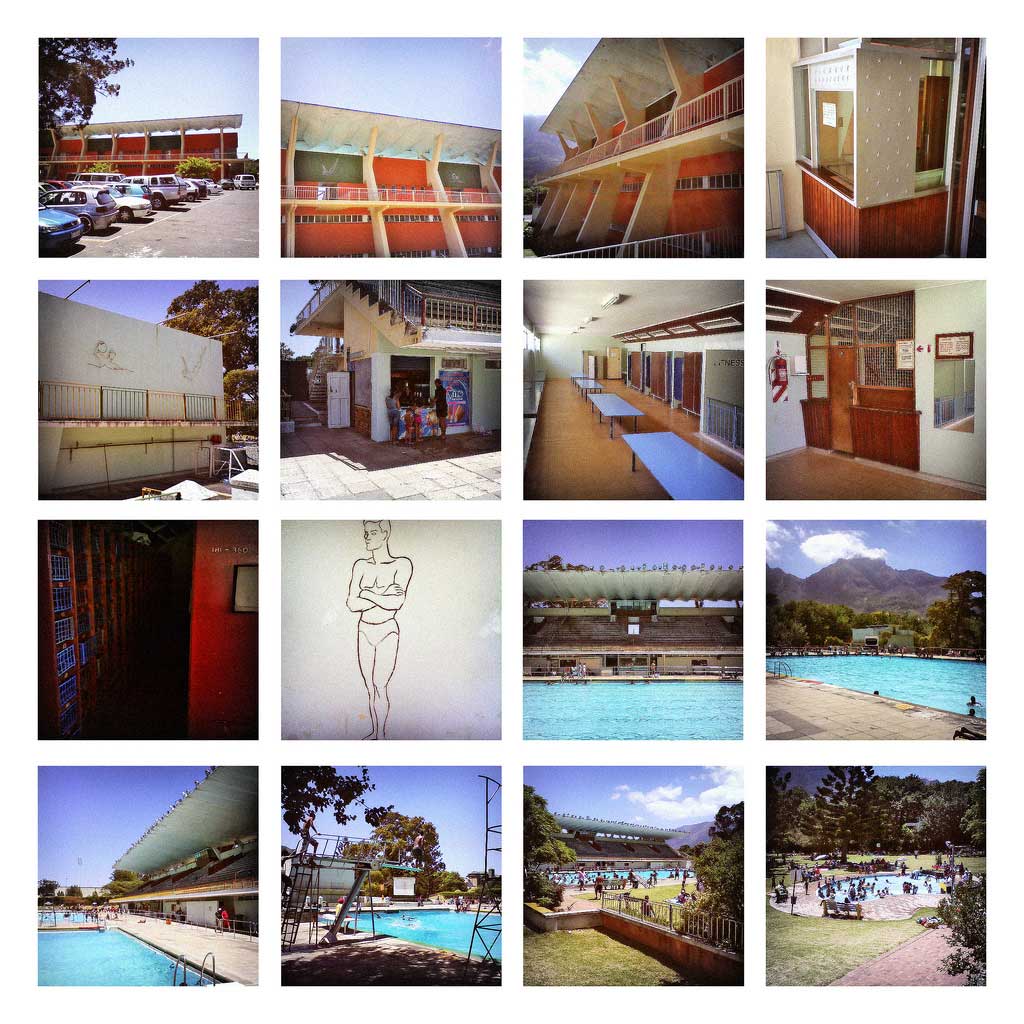
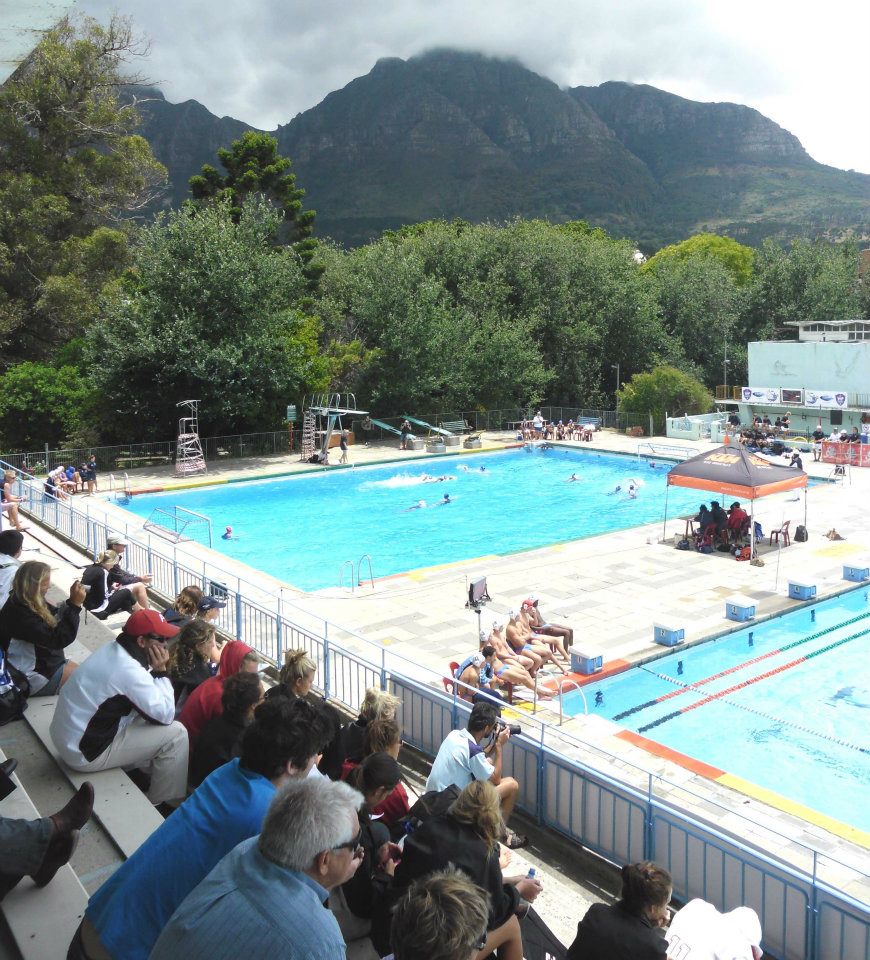
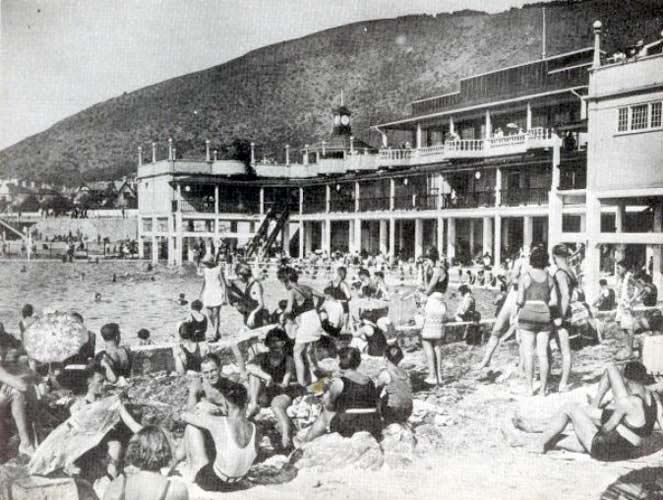
The Newlands Swimming Pool is an excellent example of the optimism of this period of history. Architects working for the City of Cape Town designed the pool and it was completed in the early 1960s. The grandstand has a skeletal feel, with several identical concrete ribs holding up a floating canopy. The canopy is swallow-shaped in profile and saw-toothed from the front. And with Table Mountain and Devil's Peak as a backdrop, the result is breathtaking.

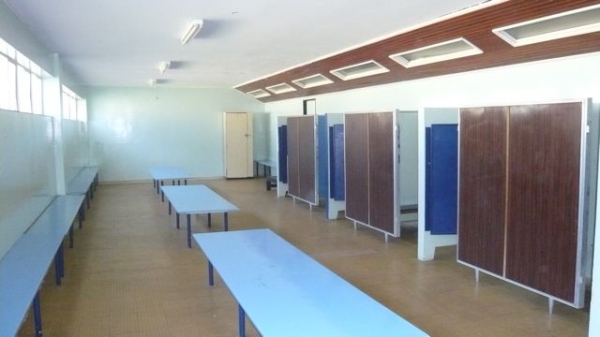
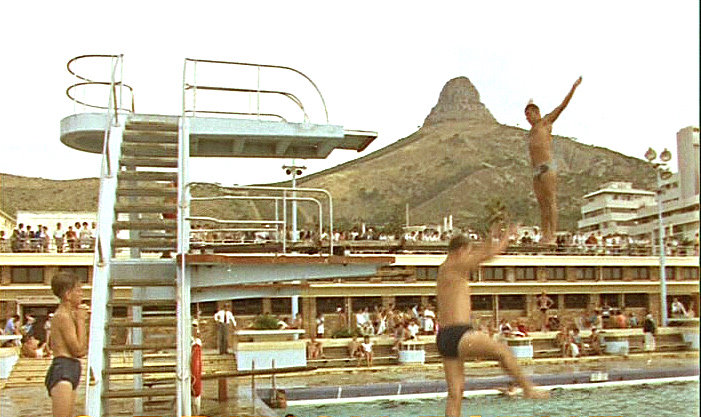
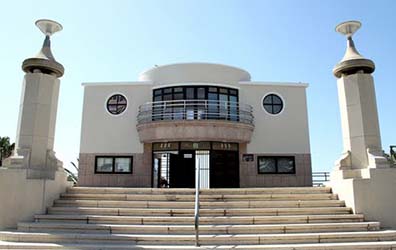
A ticket booth, locker rooms and press box form part of the grandstand, which looms over two pools: one Olympic-sized and the other used for diving and water polo. A pump house situated on the far side of the diving pool has a wave-shaped roof and is decorated with metal silhouettes of a woman diving and a man playing water polo.

https://www.flickr.com/photos/mallix/3129953219/in/photostream/

  • Hits: 2200

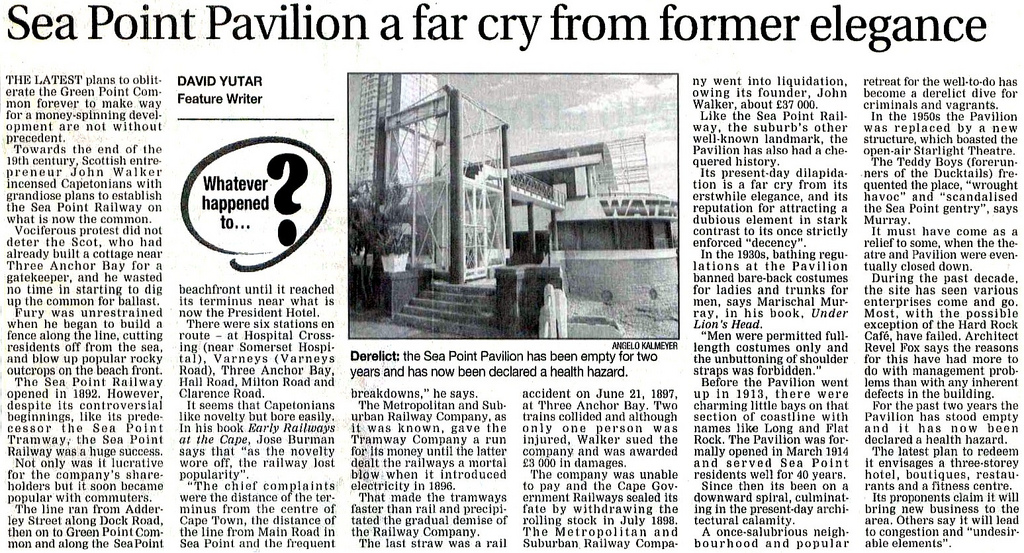
Sea Point Pavillion

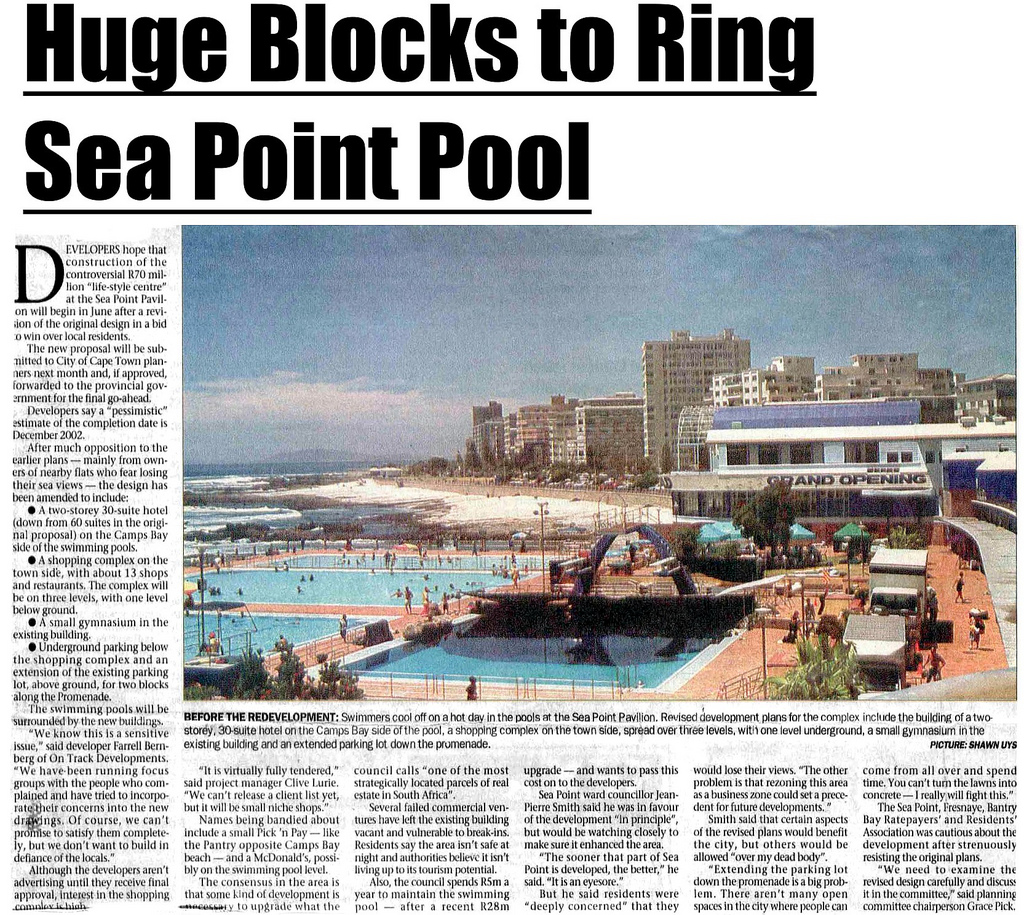
Sea Point Pavillion, Cape Town

The heavily populated and bustling suburb of Sea Point in Cape Town was not always the trendy area that it is today.  Between 1836 and 1901, the population of Cape Town grew from 20,000 to 171,000 people. 

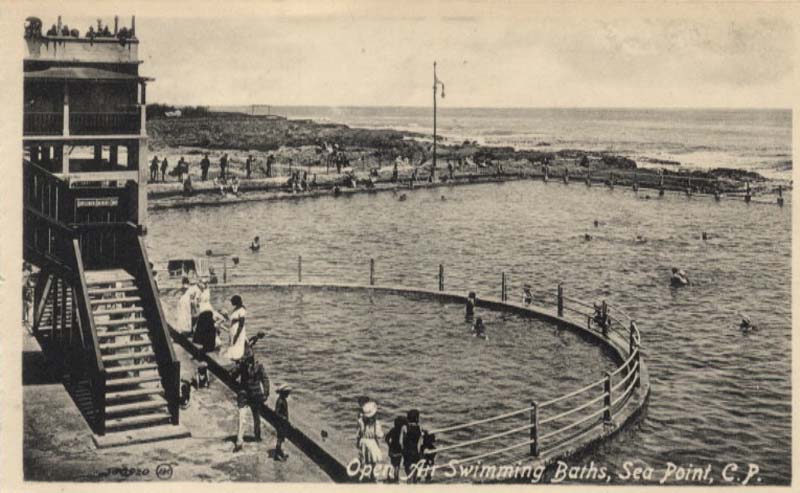
Sea Point was greatly influenced by Victorian England, and seaside bathing became popular in 1800. The area was established as a seaside vacation resort in 1880 with a number of bathing, seaside pools and tidal pools popping up around the suburb.

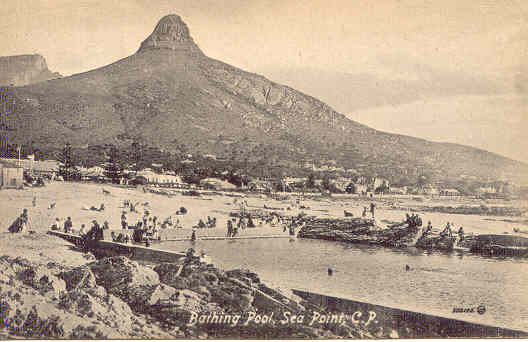
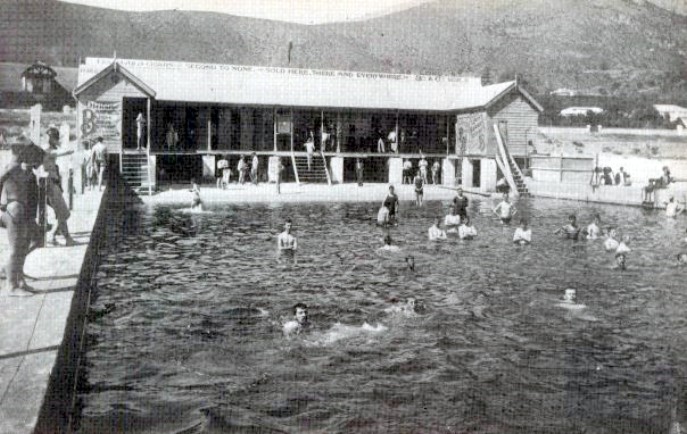
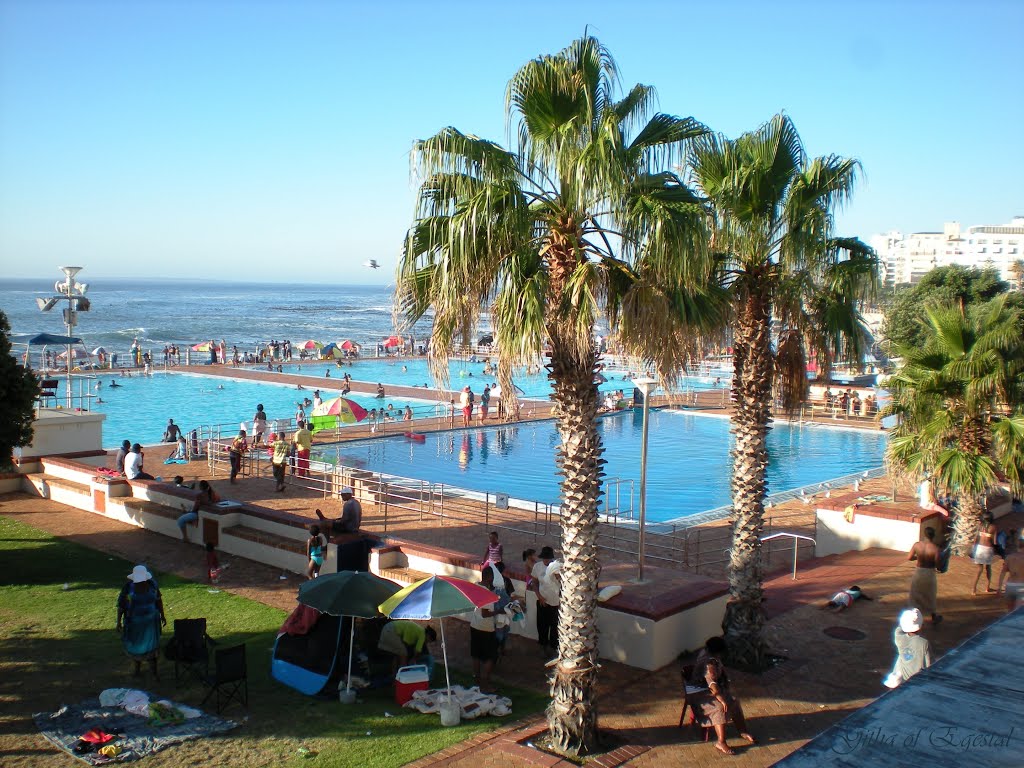
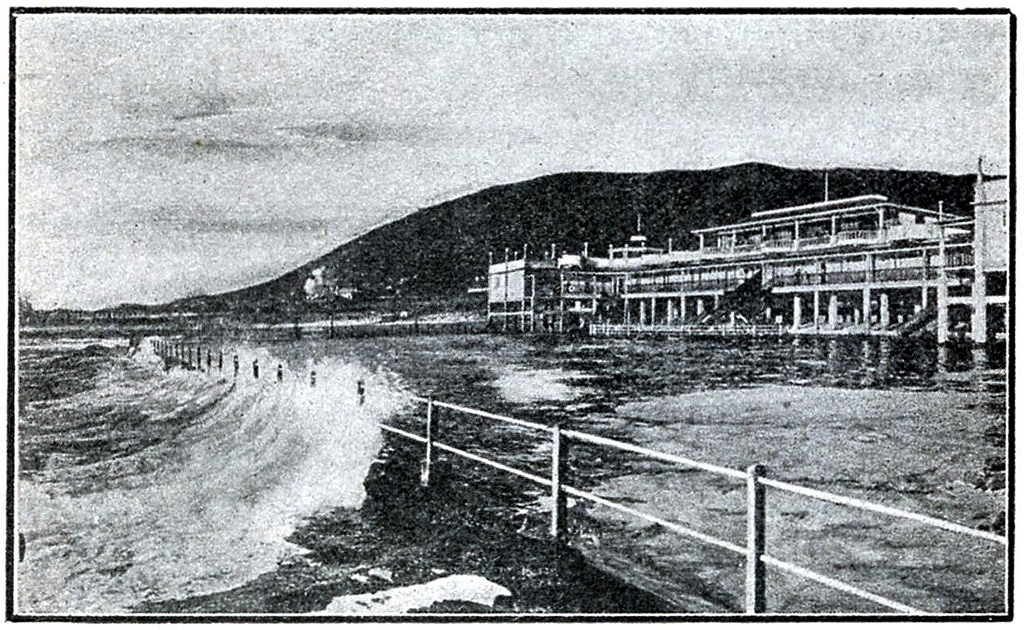
The Sea Point pool in 1914.


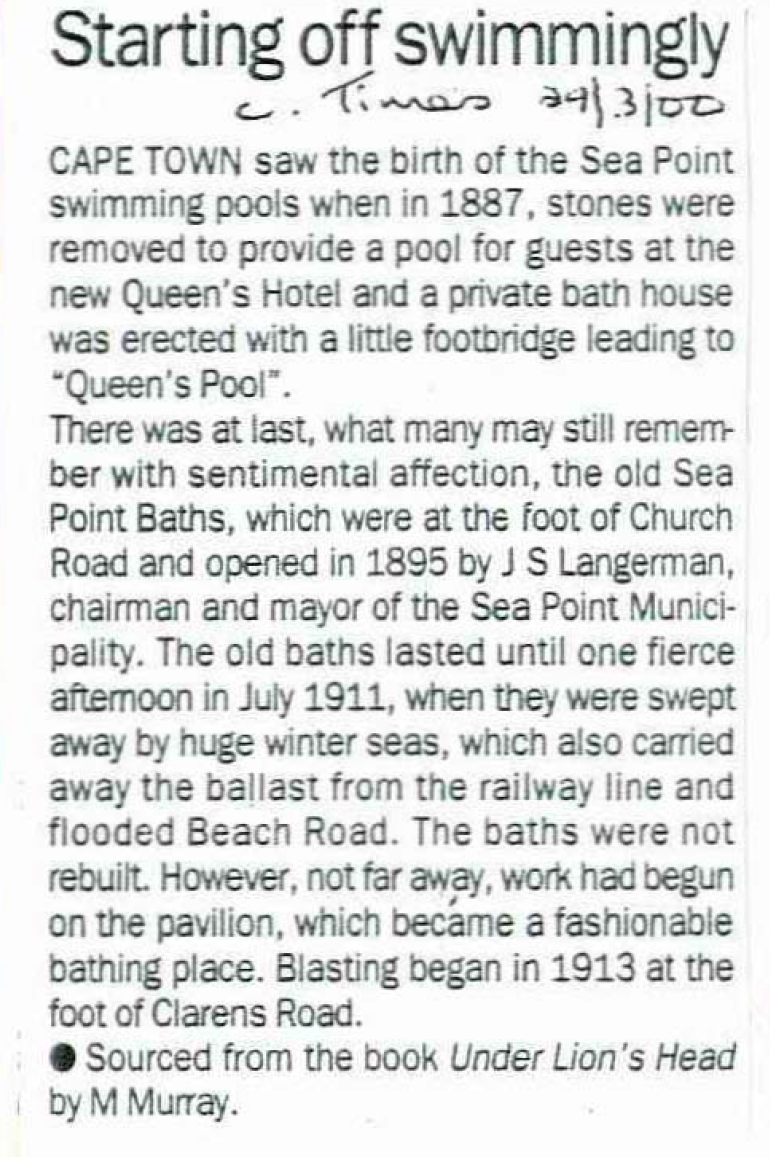
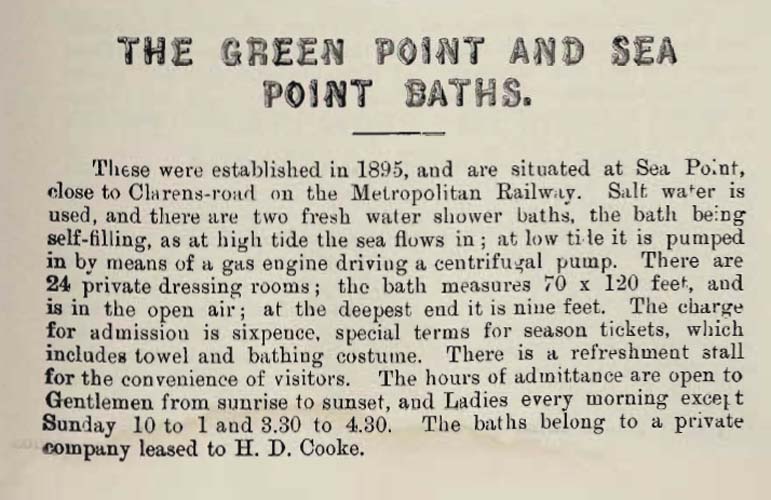
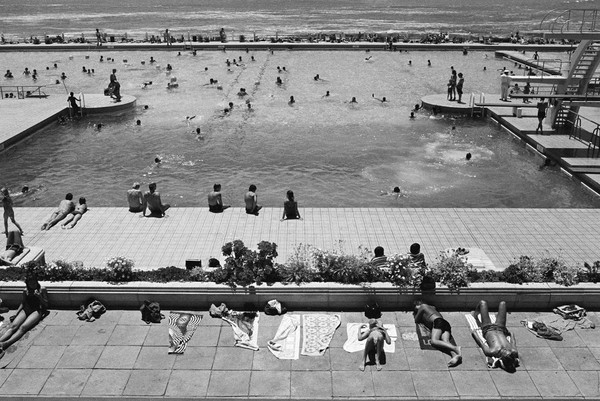
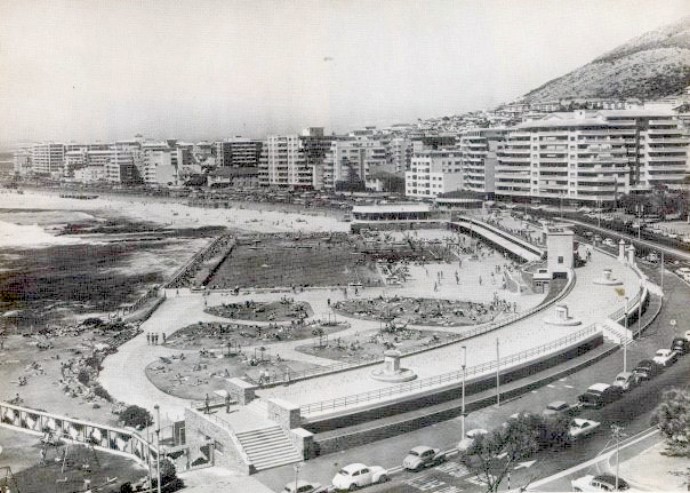
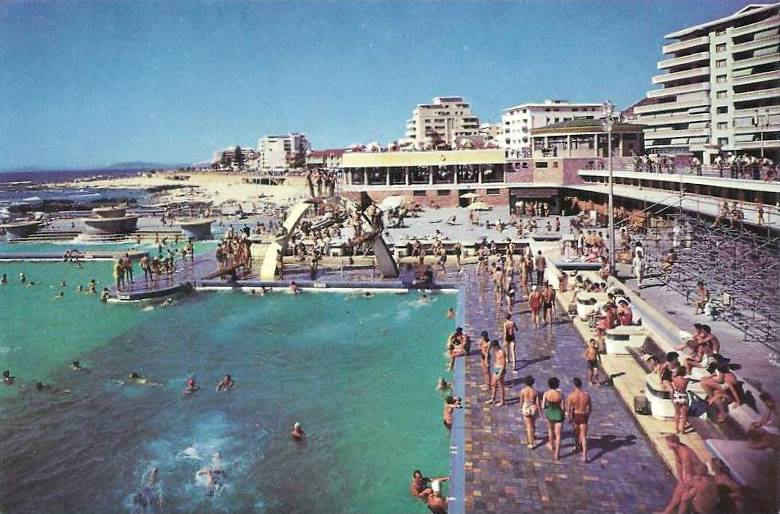
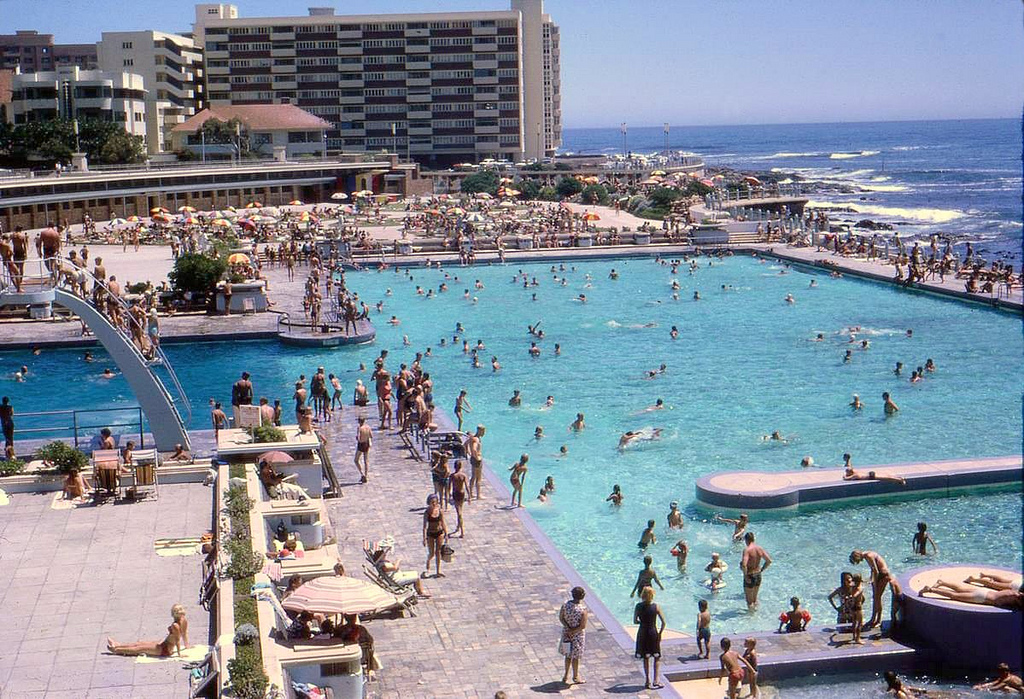
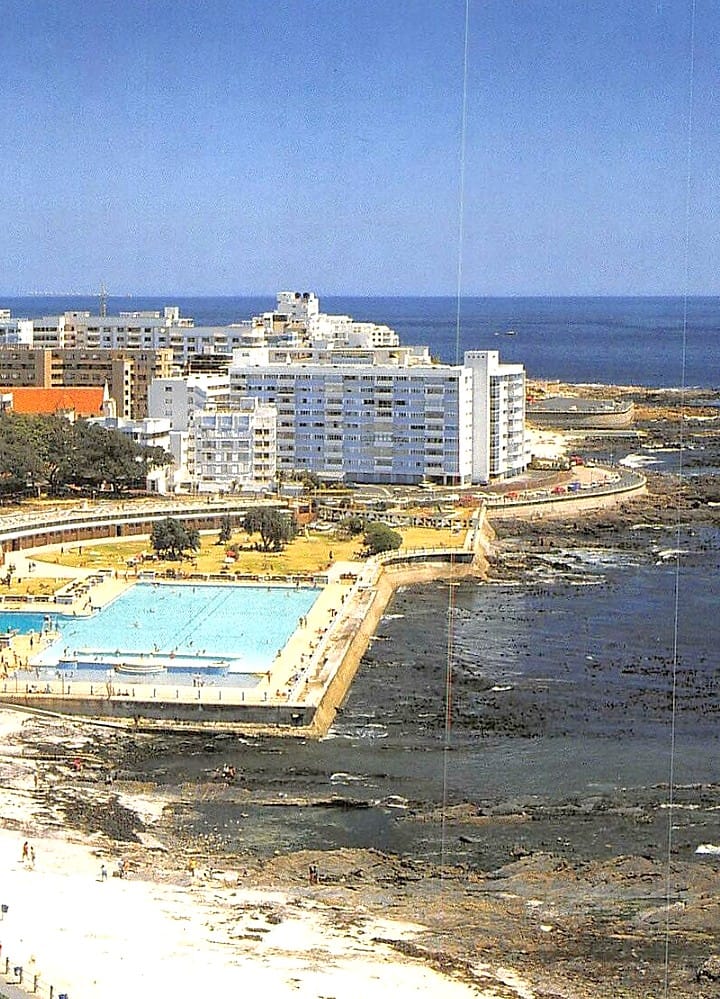
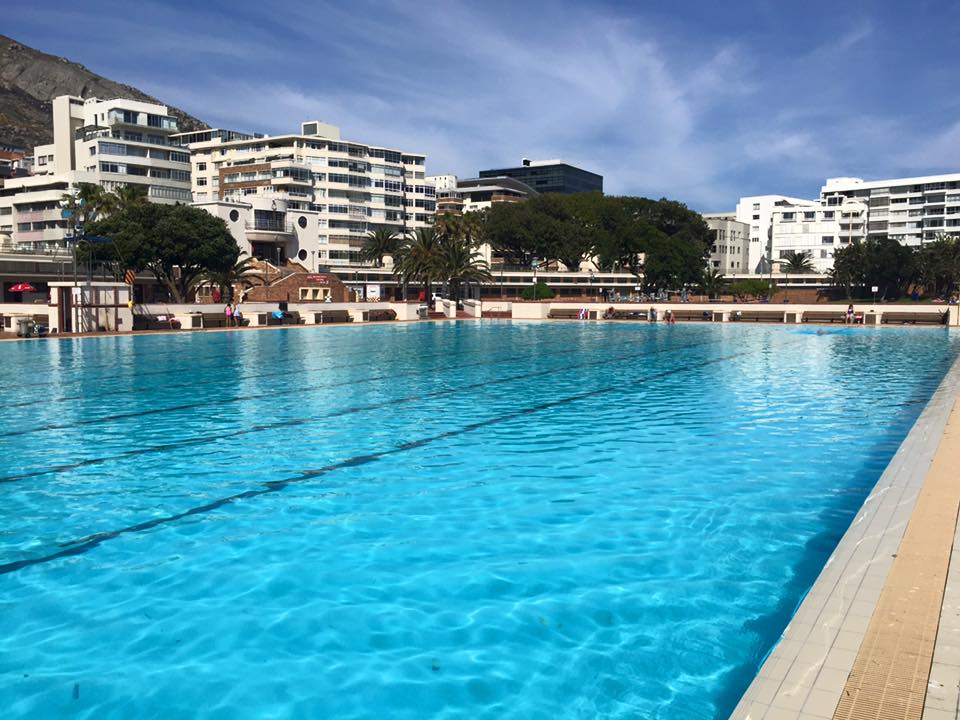
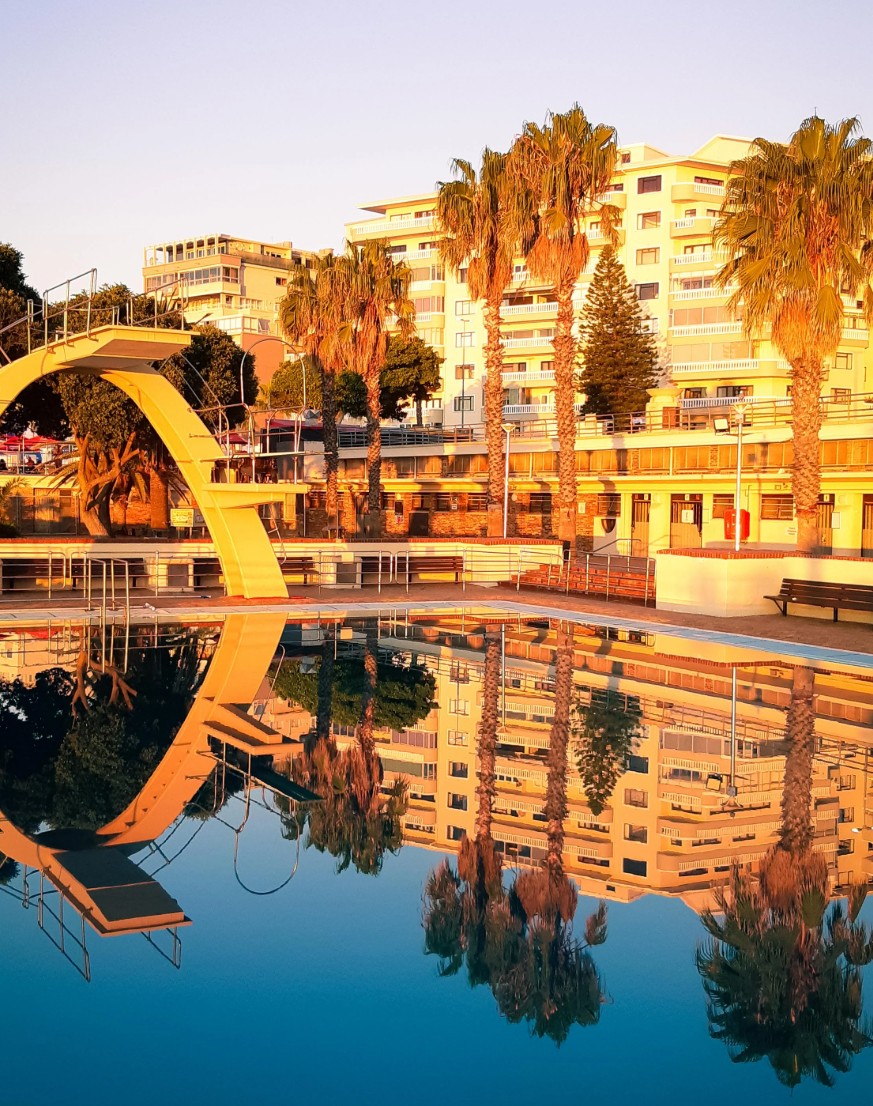
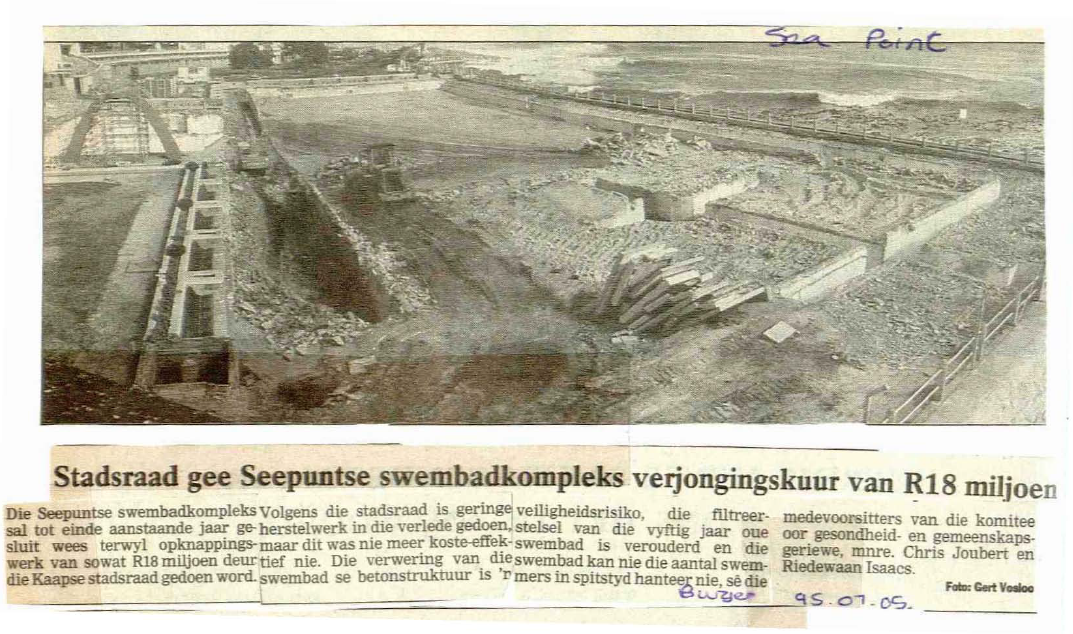
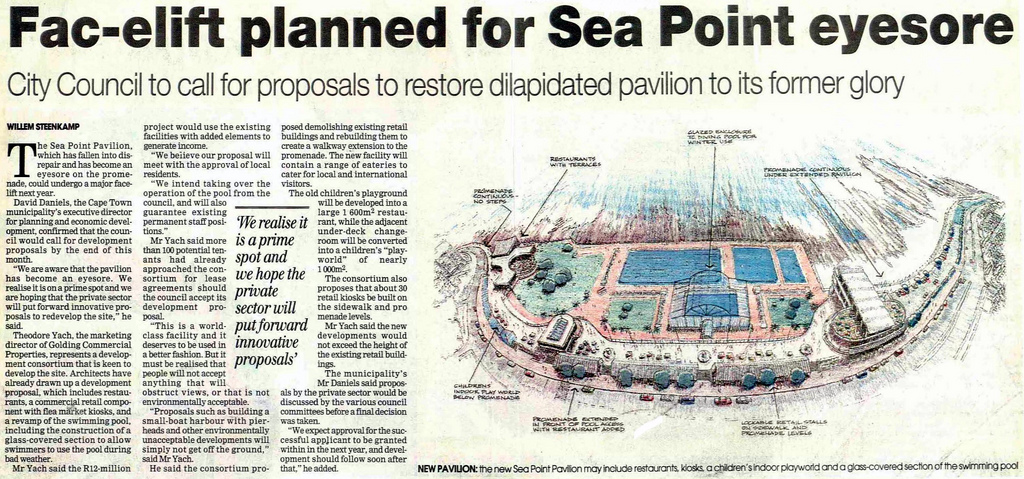
Over the years, the facility grew to incorporate a number of pools, and in 2025 it is still a popular venue. 

The area received its name in 1776 when an encampment of men settled in the area to escape the smallpox epidemic that gripped Cape Town at the time. The camp was established by Sam Wallis, a commander under Captain Cook. From here it grew into a residential suburb in the 1800’s, eventually merging with Green Point municipality in 1839.

In 1862 the Sea Point tramline was established and in 1875 the total population for both Sea Point and Green Point reached 1 425. In 1904, it reached 8 839.

Sea Point Railway Station 1

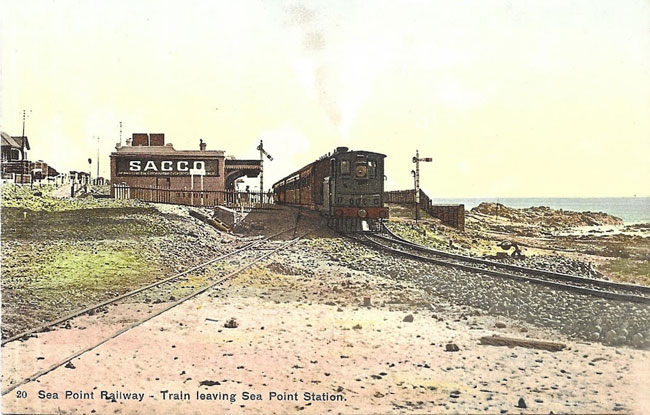
The first line connecting Sea Point and Cape Town was built in 1892. Two Pacific Type steam locomotives called Sea Point and Greenpoint were put into service on this line in 1896, making Sea Point Cape Town's first commuter suburb. They didn't last long as they used to derail regularly, and they were withdrawn from service by 1898. The line was resuscitated in 1905 and was electrified by 1927, but went bust again in 1929 as competition with a tram line heated up. One of the long term positive consequences of this endeavour was that the land belonging to the railway was never developed, leaving space for the Promenade's wide green lawns and wide walkway, which are ahead of you.

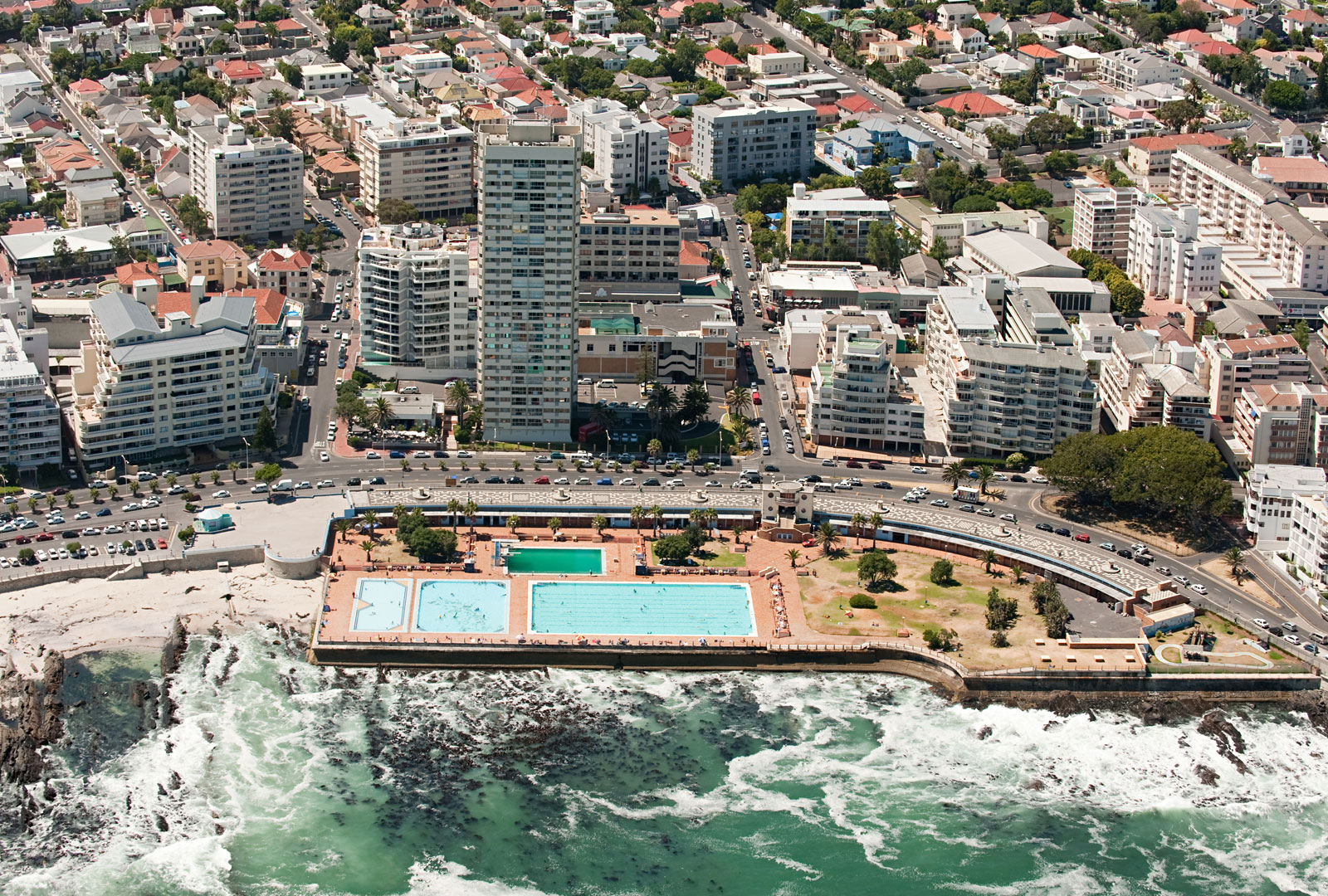
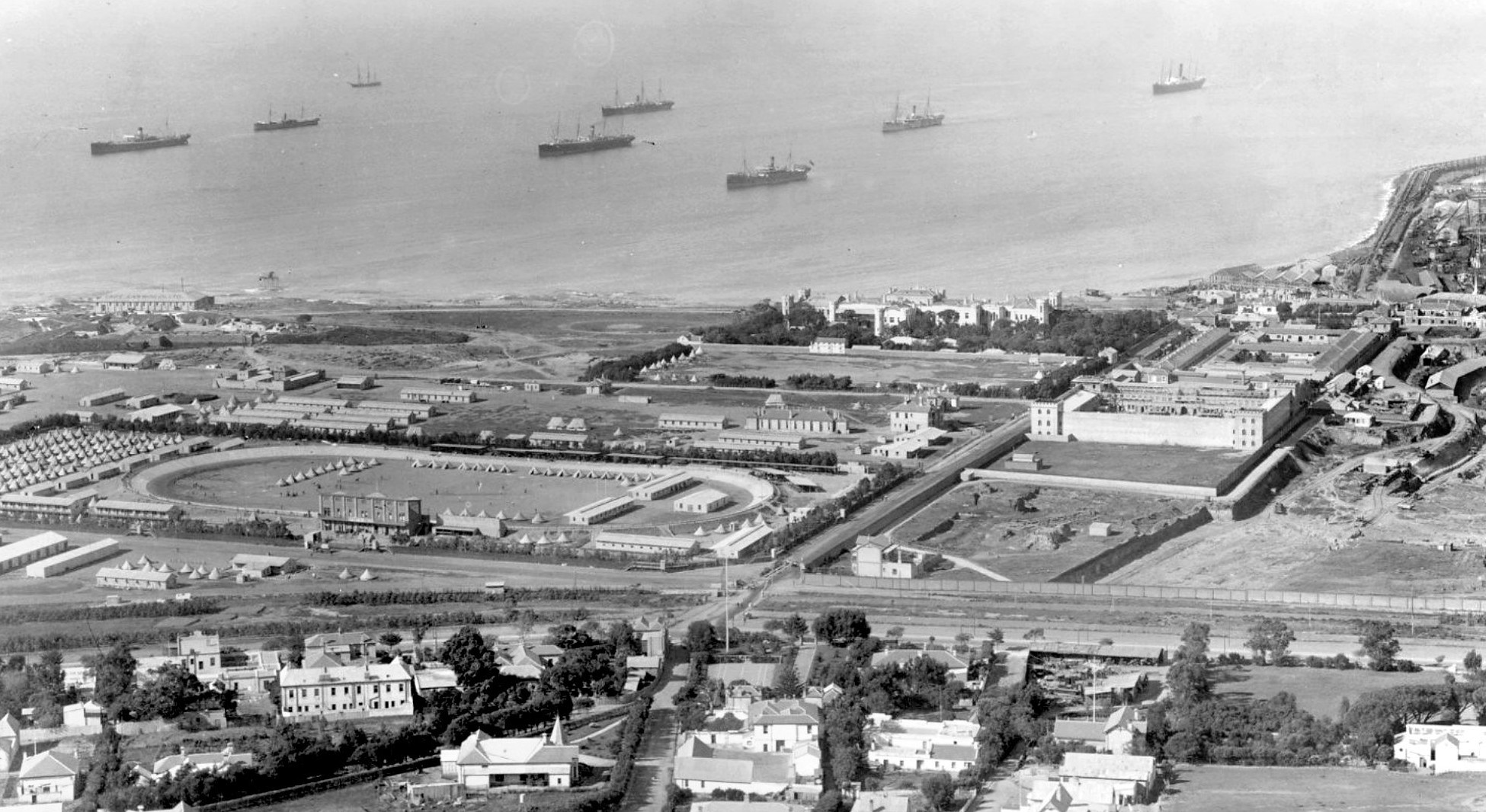
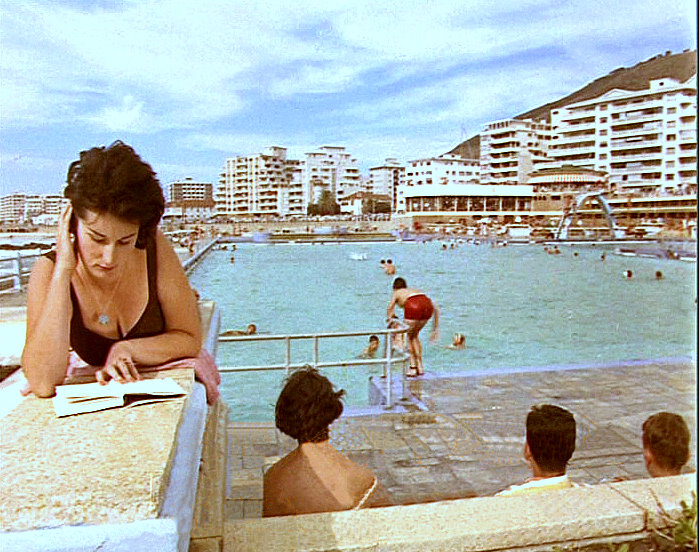
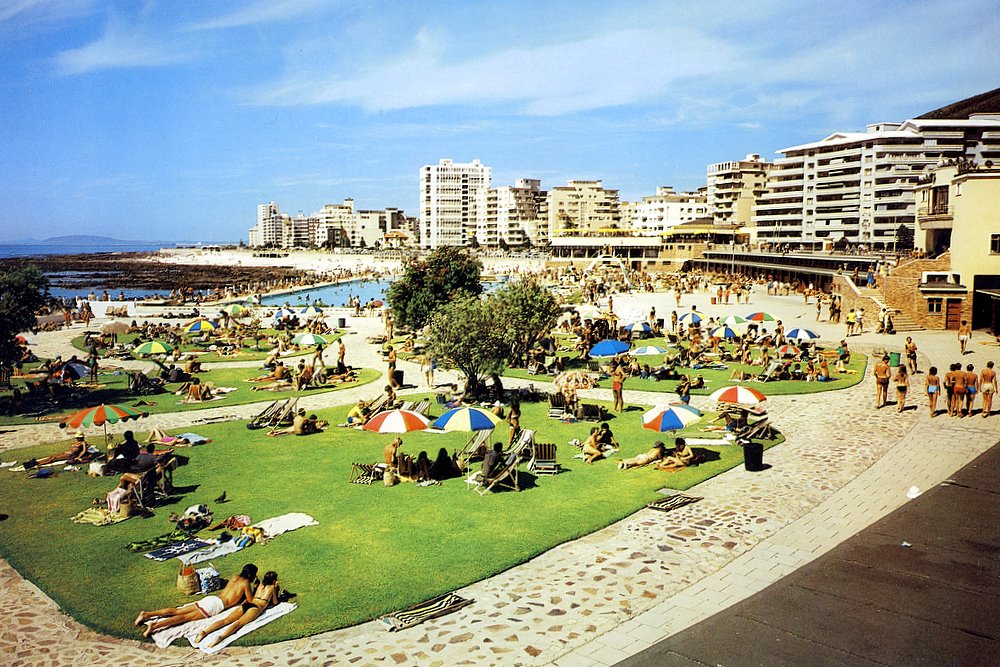
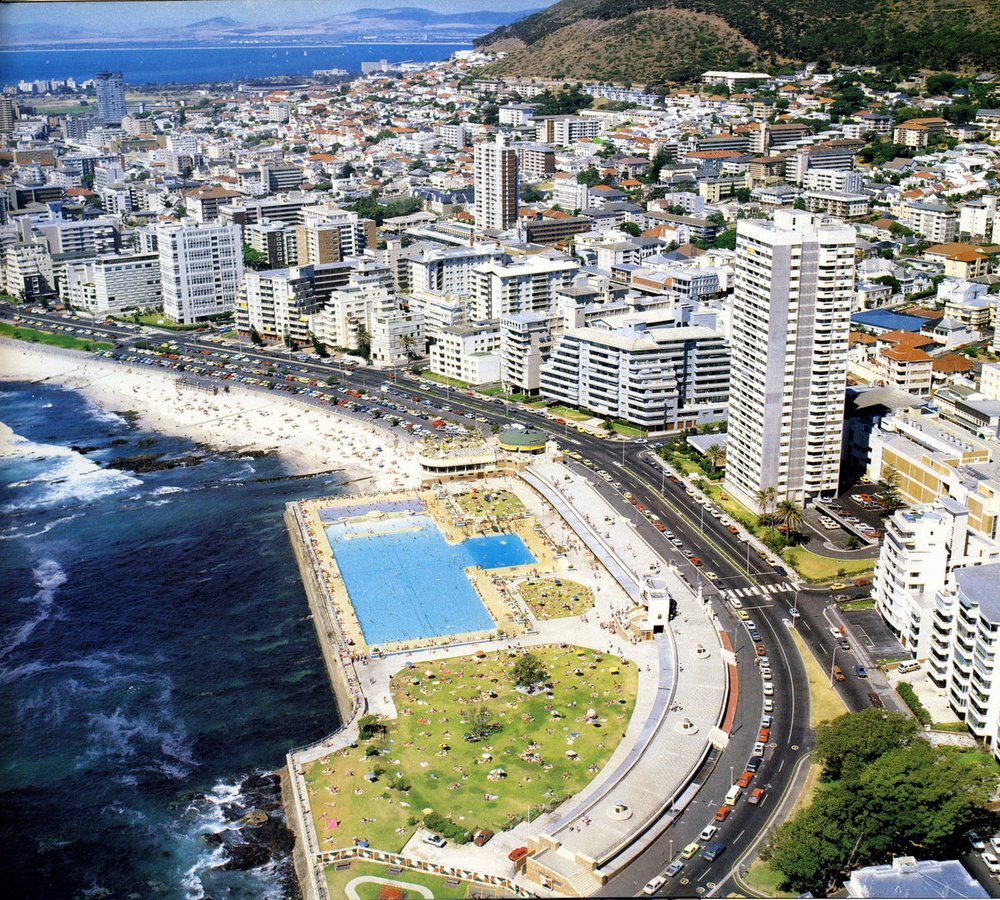
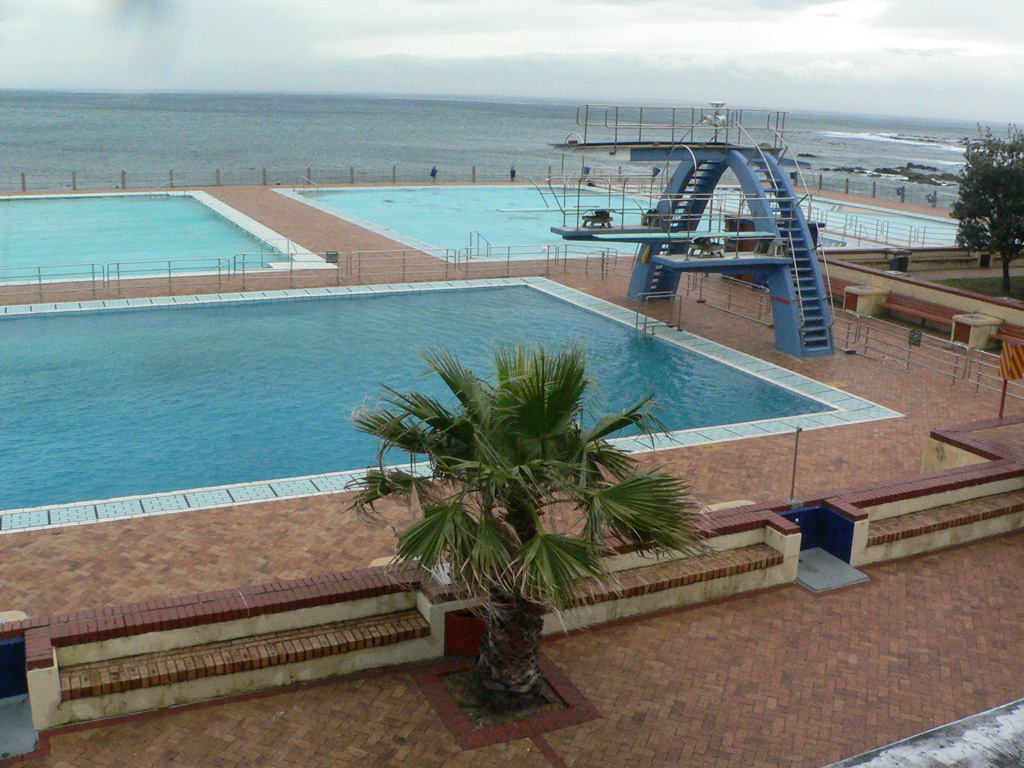
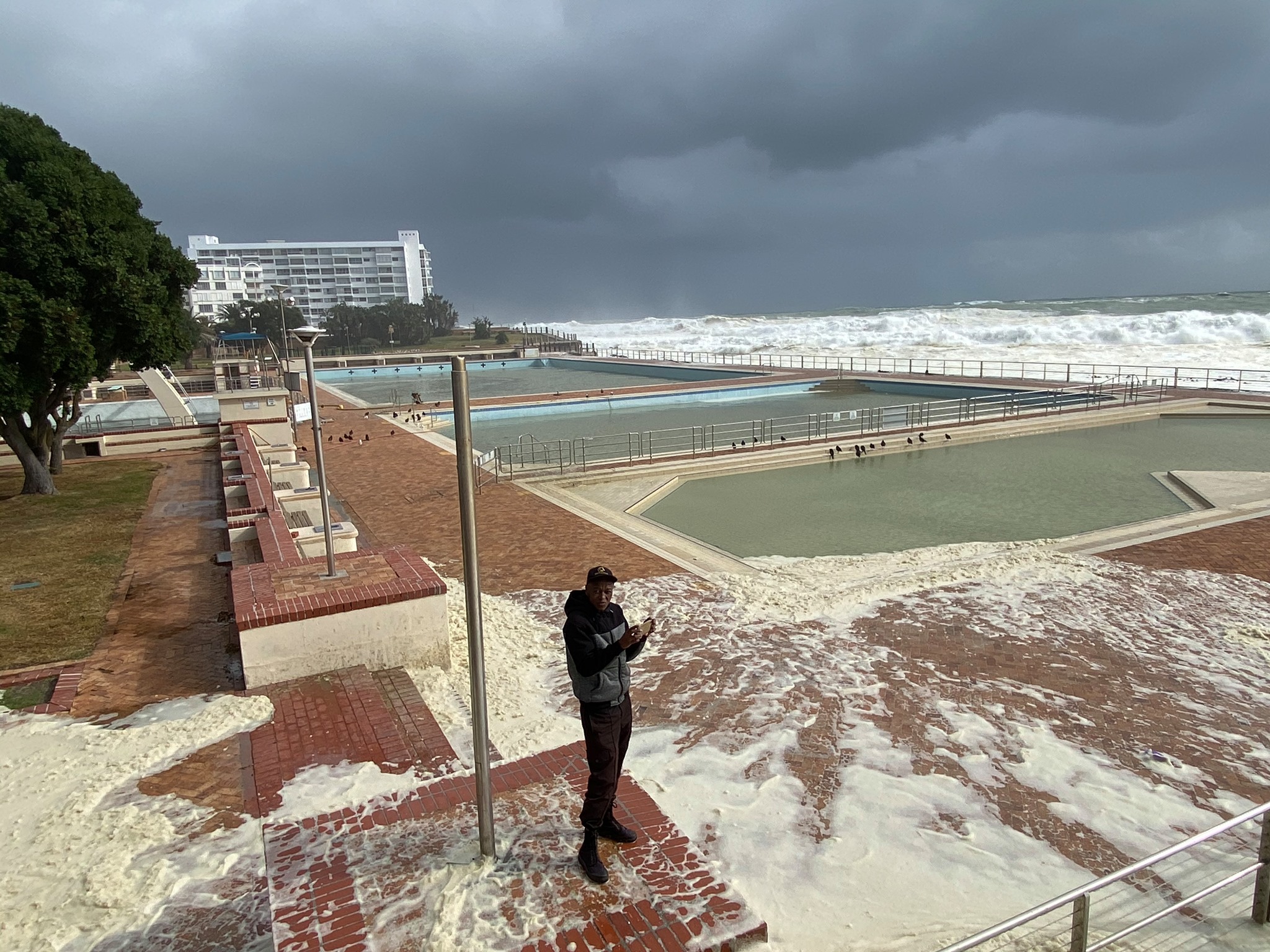
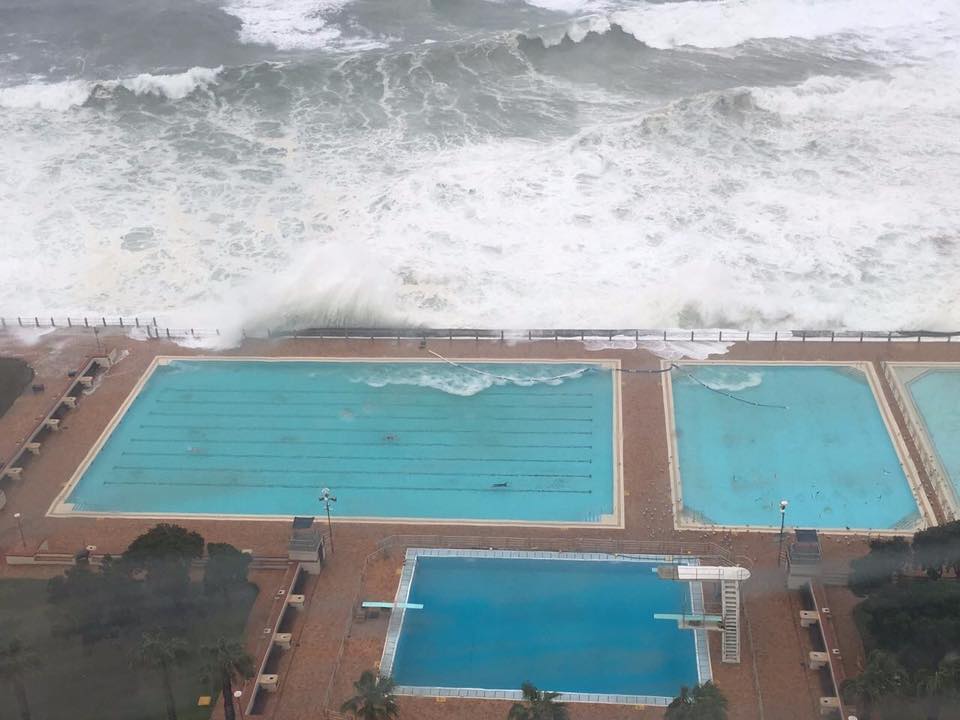
The Green Point Common was used as a transit camp for prisoners during the Boer War. On the shoreline on the left of the image, the Sea Point swimming pool can be seen, with a structure in the sea beyond the waves.

British soldiers played a big role in the development of water polo and swimming in the Cape during the Boer War. In 1899, New Zealand sent its first contingent of troops to Cape Town to participate in the Boer War. The "Maorilanders" as they were known, participated in the team race at the aquatic festival held at the Cape Town harbour graving dock in February 1900. Men from the King's Royal Rifle Regiment entered a water polo team. 

  • Hits: 4706

Iconic Pools

Iconic Swimming Pools in southern Africa

Several swimming pools in southern Africa have gained iconic status over the years, due to their architecture, location, age or being a venue for national championships.

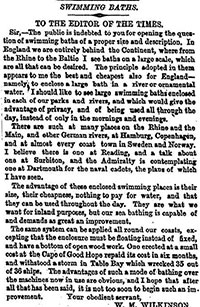
The first swimming pool mentioned in the local Cape Town newspapers was a floating swimming enclosure in Table Bay, modelled on a popular design from Victorian England. It was reported to have been swept away during a storm in 1869. 19th-century entrepreneurs built indoor swimming pools in various locations around Cape Town, including Camps Bay, Long Street and Claremont, where they were managed on a commercial basis. Swimming pools were also built in the other major centres, including Port Elizabeth, Pietermaritzburg, Bloemfontein and Pretoria. 

Click here to see a map of where many of the derelict pools used to be located in southern Africa 

No new Olympic-sized competition swimming pools have been built since the Kings Park facility opened in 2009 in Durban. It is the only swimming facility in South Africa with FINA (International Swimming Federation) accreditation, recognised by the International Olympic Committee for hosting international water sports competitions.

In 2025, the King's Park facility is being revamped, while the Newton Park pool in Port Elizabeth is used to host the annual national swimming championships.

  • Hits: 3549

South AfricanAmateur Swimming Union

South African Amateur Swimming Association

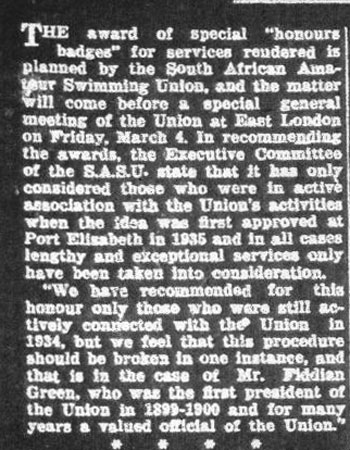
EP Herald - 15 February 1938

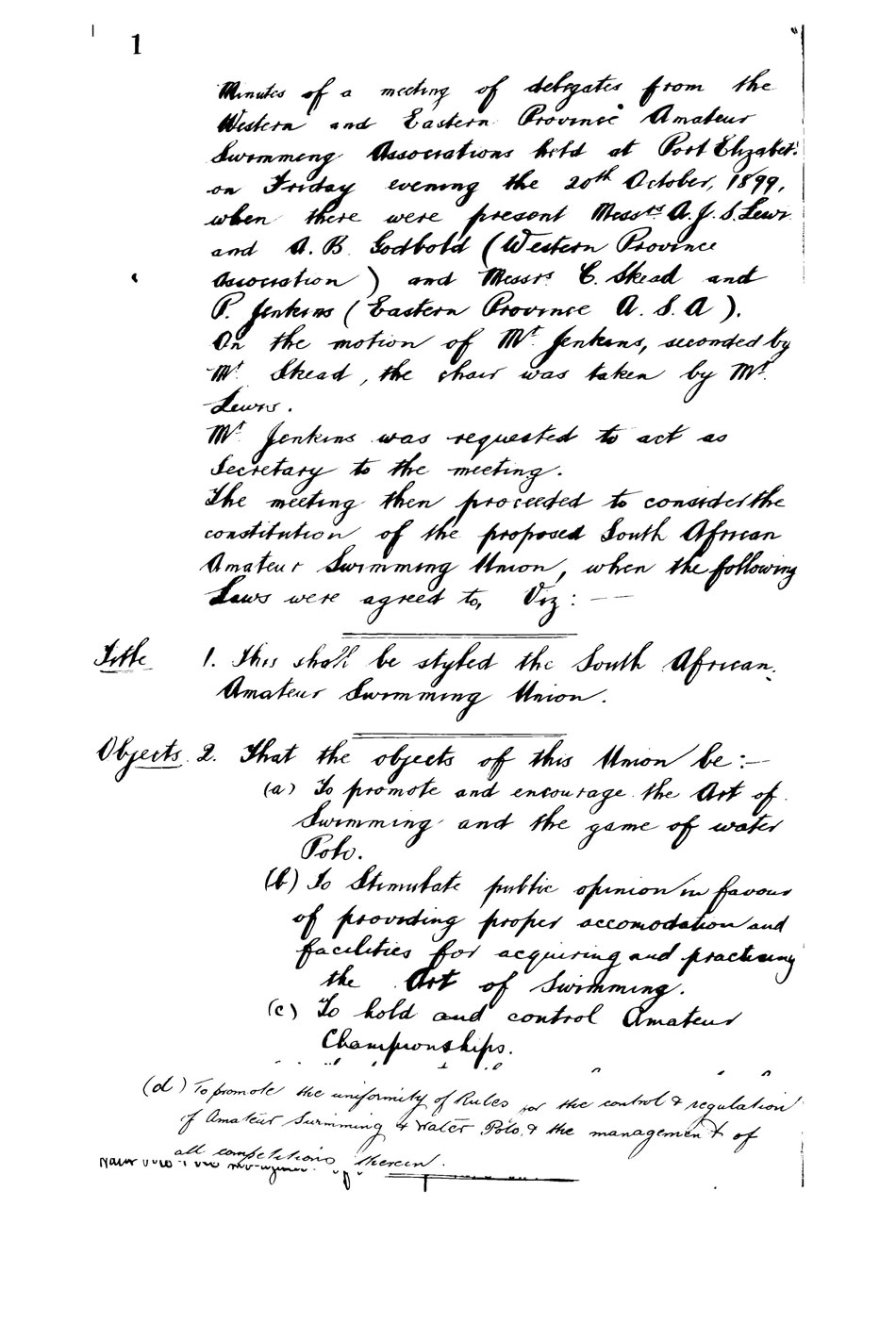
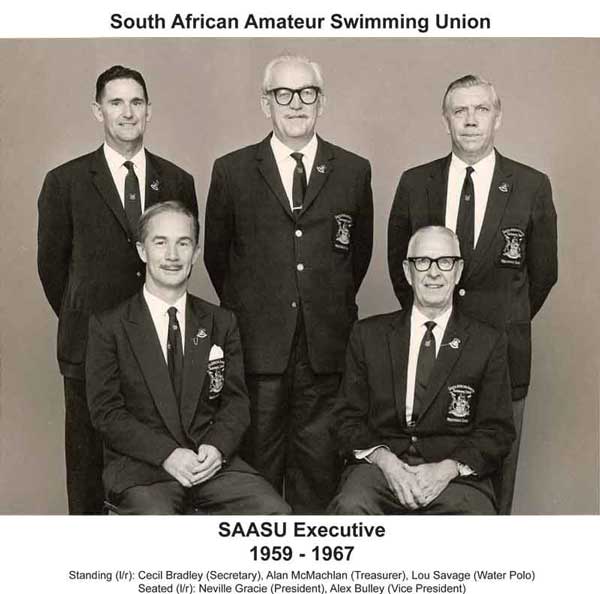
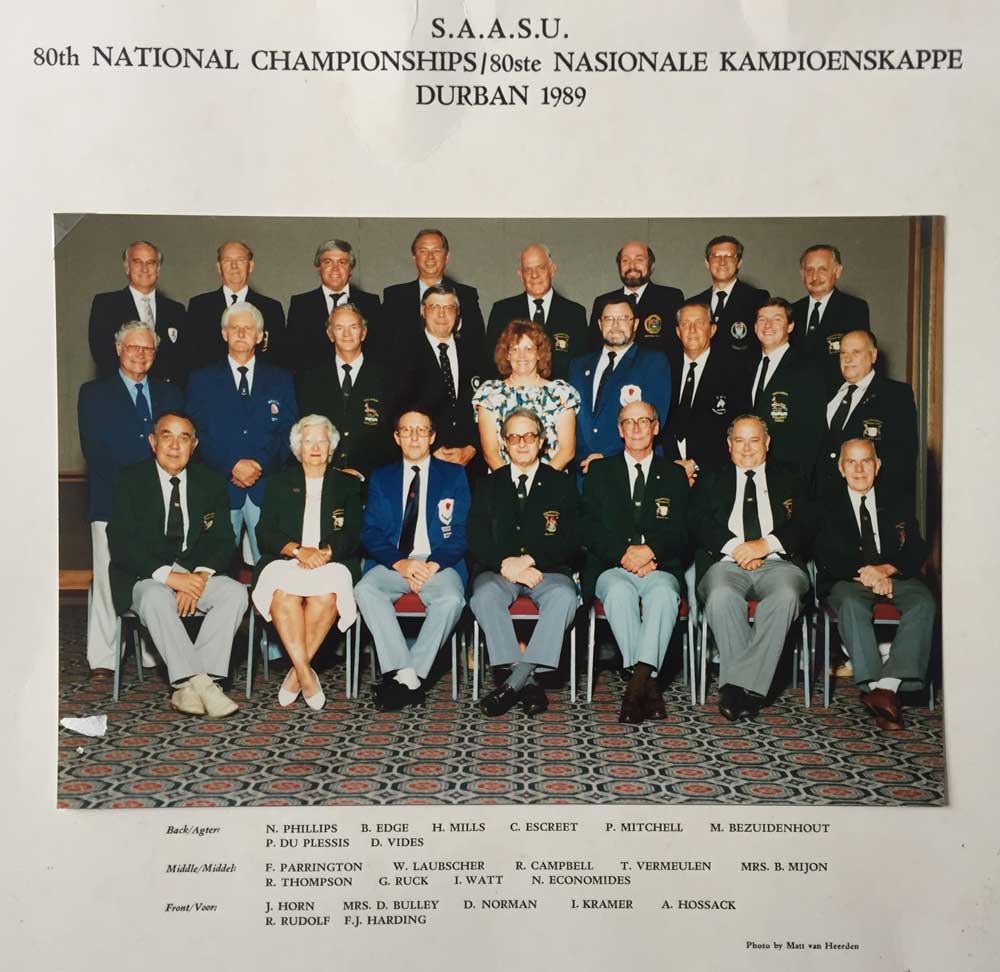
Inter-provincial aquatic sports in South Africa - swimming, diving, water polo and synchronised swimming - in South Africa were managed on a provincial basis, by the national governing body known as the South African Amateur Swimming Union (SAASU) since 1899.

Western Province ASA and Eastern Province ASA were the only affiliated Provinces of the SAASU at the first national water polo championship event held at Port Elizabeth in 1900.

After the Boer War ended in 1902, more provinces joined SAASU, until twelve provinces were competing at the 1980 South African Aquatic Championships held in Cape Town. That year, Rhodesia became Zimbabwe, and it no longer affiliated with the SAASU. South West Africa left in 1990 when it became Namibia, and by 1995, the new government of South Africa had scrapped the old provinces in the country. 

Later provincial associations were the Orange River Colony (ORC), Transvaal, which later split into Northern and Southern Transvaal, with Eastern and Western Transvaal emerging later. Natal ASA joined in 1905. Mossel Bay and East London initially sent teams to the championships, until they later became part of Eastern Province and Border ASA, respectively. The northern Cape city of Kimberley became the home of the Griqualand West province. The Vaal Triangle province was created in the 1970s. 

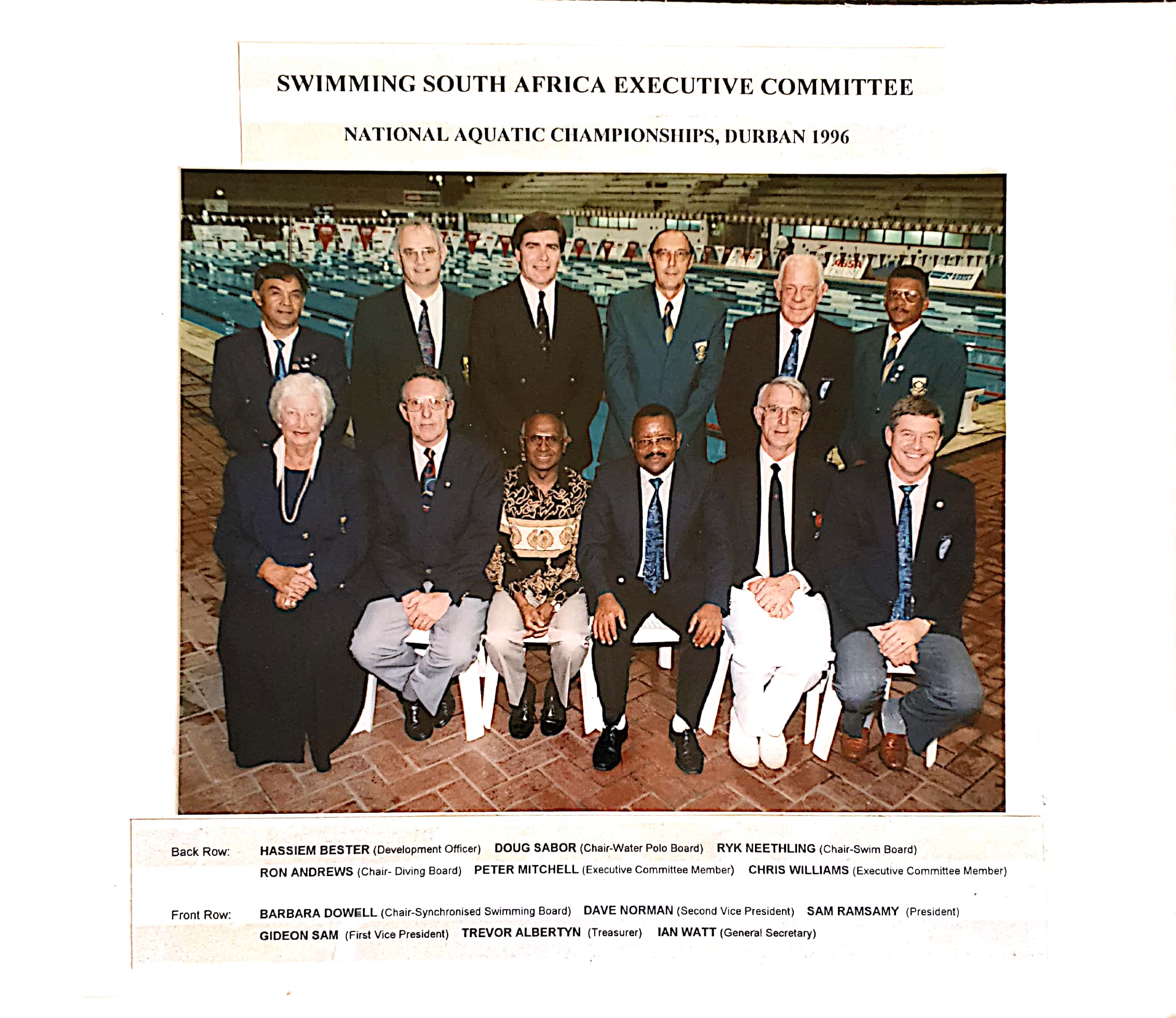
After the demise of the provincial system, the various aquatic sports disciplines no longer combine their national championships, and the competition is now a club-based event. The South African government sets policy and finances sports governance, and the new governing body for aquatic sports is Swimming South Africa. Following government policy, there are now (2025) nine regional governing bodies, just like the old provinces!

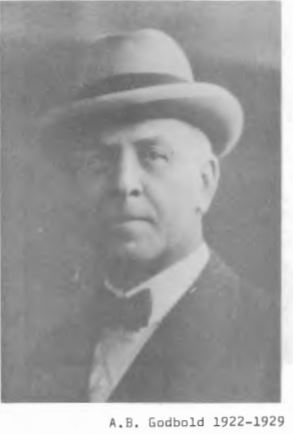
A.B. Godbold - SAASU President 1901 - 1902

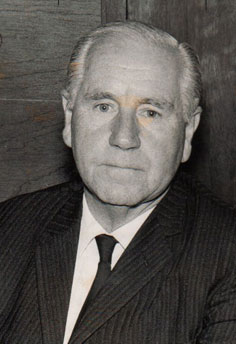
Roy Clegg - SAASU President 1969 - 1976

SAASU PRESIDENTS
 
Year: Headquarters: Name:
1900 - 1901 Port Elizabeth William Fiddian-Green
1901 - 1902 Cape Town A.B. Godbold
1902 - 1903 Port Elizabeth A.J. Lewis
1903 - 904 Cape Town J.C. Garden
1904 - 1905 Port Elizabeth H. Stent
1905 -1906 Pretoria Lt. R.H. Watson
1906 -1907 Durban J. Ellis Brown
1907-1908 Port Elizabeth C.J. Bruce
1908 - 1909 Cape Town C.J. Bruce and G. Marais
1909 - 1910 Johannesburg G.W.W. Pope
1910- 1911 Durban J. Ellis Brown
1911 - 1912 Port Elizabeth C.L. Searle
1912 - 1913 Cape Town S.G. Serrurier
1913 - 1914 Johannesburg Sydney Charles Dowsett
1914 - 1918 Durban J. Ellis Brown
1918 - 1920 Durban W.H. Hamilton
1920 - 1921 Port Elizabeth W.F. Savage
1921 - 1922 Salisbury C.D. Clear
1922- 1923 Cape Town Dr C. Impey
1923 - 1924 Johannesburg F.W. Sarginson
1924 - 1925 Durban Gilbert Reynolds
1925 - 1926 Port Elizabeth W. Rice
1926 - 1934 Port Elizabeth J. McLean
1934 - 1940 Durban Gilbert Reynolds
1940 - 1944 Johannesburg C.E. Harris
1944 - 1945 Johannesburg Rufe Smith  
1945 - 1949 Johannesburg C.E.Harris 
1949 - 1954 Cape Town P. Herbstein
1954 - 1959 Johannesburg A.R. Taylor 
1959 - 1967 Durban Neville C. Gracy
1967 - 1969 Cape Town Harry Getz
1969 - 1976 Cape Town Roy Glegg
1976 - 1992 Boksburg Issy Kramer


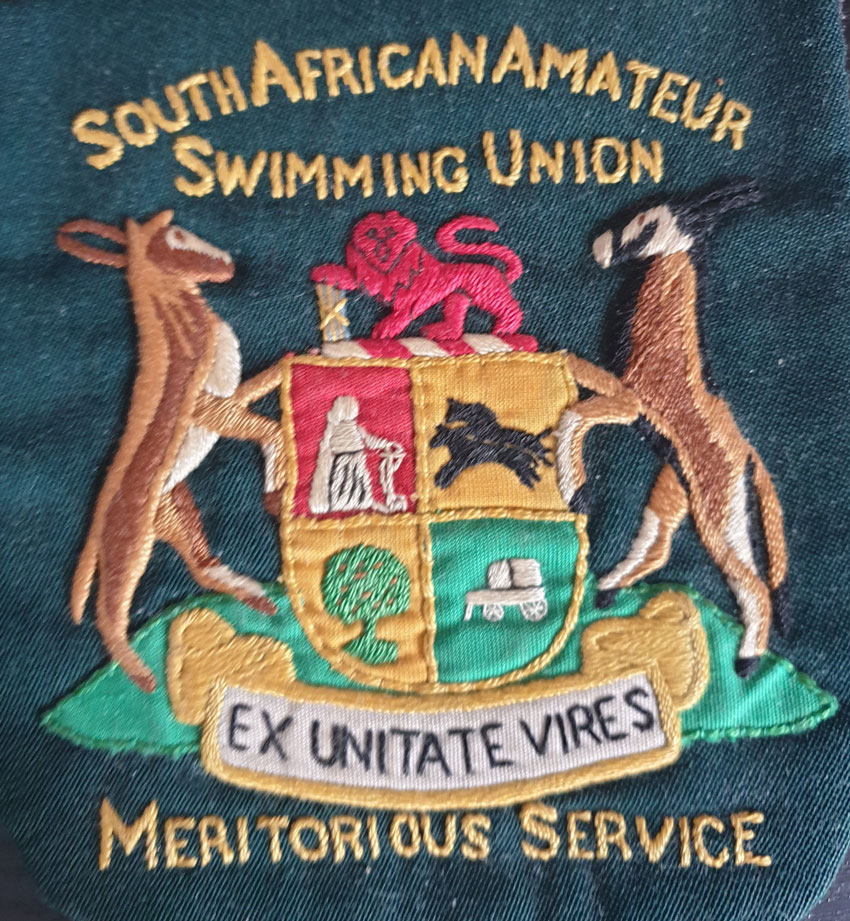
MERITORIOUS SERVICE AWARDS
   
William FIDDIAN-GREEN 1960 - R.FOSTER
W.A.COPELAND Lou SAVAGE
Gilbert REYNOLDS F. LEEMANS
S.C. DOWSETT B.OXFORD 
W. RICE J.KIPLING
J. McLEAN R. PANNALL
R. WARD  
G.E. GODFREY 1961 -  L. BUNING
C. NELSON  
Max THIEL 1962 -  G.GLENCROSS
J. BOSANQUET N. SULLIVAN
Rufe SMITH H.F.W. BASFORD
H.C. VARLEY  
Alex BULLEY (1935) 1964  - Neville GRACIE
Rachael FINLAYSON  (MRS) C.B. BRADLEY
C.E. HARRIS (1947) AJ. McLACHLAN
E.O. WEGNER (1947) Vic MYBURGH
A.R. TAYLOR (1947) H. HAMMOND
P. HERBSTEIN (1947)  
J.J. GLENDINN1NG (1947) 1967 - E.M. Doods BULLEY (MRS)
A.V. NUNN Issy KRAMER
Harry GETZ (1947) A.E. LIEVESLEY
D. NATHAN E.J. ALLEN
S.COLLINS (1947)  
S.T. COCKHEAD (1955) 1968  - F.J.HARD1NG
I. LAZAROW (1957)  
G. INGE (1957) 1970  - N.H. LIEVESLEY (MRS)
H.B. BLAKE D. GLEGG (MRS)
G.H. V.D. BERG (1957) R.W. GRANT-STUART
H. RAKIN P.S.B. KRIGE
E.C. MORETON  
R. HONIKMANN 1971  - T.F.W. BASSETT
Roy GLEGG J.A.R. SMIT
M. HACK Jack CURRIE
E.B. SHEPHERD J.A. COULL
H.H. FOWLER  
S.G. HOLMES (1947) (probably incomplete)
F.C.CLAMPETT (1947)  

Provinces of South African Aquatic Sports

  • Eastern Province

  • Western Province

  • Natal

  • Transvaal

  • Northern Transvaal

  • Eastern Transvaal

  • Western Transvaal

  • Orange Free State

  • Griqualand West

  • Rhodesia

  • Border

  • South West Africa

  • Vaal Triangle

The history of SAASU was largely the story of the competing provinces. The competitors, officials, coaches, facilities, clubs, schools, and competitions all identified with their province. At nationals, they vied to win the Ellis Brown Aggregate Trophy, which was awarded to the province with the overall highest number of points in all four disciplines combined. Rhodesia dominated South African aquatics during the 60s, winning the Ellis Brown Trophy 7 years in a row!

By 1999, the old provinces had been abolished, and press reports no longer mention the trophy winners.

 

  • Hits: 2831