Cape Town to Cape Point

Tidal Pools in Cape Town

Click here to see the whole map.

Cape Town is now touted as one of the best cities in the world to visit. In the summer, the temperature in the city can reach 42 degrees Celcius, driving locals and tourists to the beaches and tidal pools to cool down. The pools around Cape Town have become tourist attractions, featured on numerous websites. 

The city developed after 1652 when the Dutch East India Company (the VOC) decided to develop  a waystation for ships travelling to the East Indies. In 1795, during the Napoleonic Wars, the British Empire invaded the Cape Peninsula due to its strategic location on the sea route to the East.

There is no evidence that pre-colonial inhabitants (Khoi, Strandlopers, or San) in the area swam in the sea. The VOC left extensive records of its activities at the Cape, but made no mention of any recreational sea swimming by its employees. There is, however, a mention in a footnote in a VOC document, 28 Januarie 1690 Dagregister. It records that a convict named Johannes Rijkman van Weij escaped by swimming to shore! So, swimming was not unknown to the Dutch settlers at that time, and perhaps they did swim, but left no record of it. 

The British introduced sea swimming and tidal pools in the Cape. For context, the first English Church service of which we know was held in Cape Town by a naval chaplain of the fleet returning from India on April 20, 1749. The British military, which invaded the Cape in 1795, brought with them their love for water sports (and gambling). The British swam in the rivers, vleis, the ocean, the harbour and the graving dock. and also in indoor swimming pools, like  A 1869 British newspaper article mentions a floating pool in Table Bay, which survived a big storm. Such floating structures were (and still are) popular in Europe.  Elaborate water festivals, which included swimming races, water polo, diving and other entertainments, were popular in England since the middle-1700's. In Cape Town, these festivals were held in the dry dock or one of the indoor swimming pools, like the Long Street Bath

In the late 1700's, a concrete wall was built across a gully in the rocks in Sea Point. This became part of a thriving social scene before it washed away in a storm, as the northwesterly winds can create enormous waves in Table Bay. Today, the location is known as Broken Bath Beach. See number 7 below.

5. Graaf's Pool

Graaf's pool, the furthest north along the coastline, has a unique place in the story of the South African tidal pool for all the fuss it has caused. The pool was built in 1910 to accommodate the needs of a paralysed woman who lived in a mansion right behind the pool. It featured a tunnel for access under the beach road and a wall to shield the user from view.

After her, the mansion and the pool were owned by a politician named Graaff, after whom the pool was named, and who later bequeathed the pool to the City of Cape Town.

It soon became a popular hangout spot for gay men, who congregated behind the wall and swam in the nude. After a number of years, some of the locals objected to this practice, and the wall was demolished in 2005. The pool is now mostly abandoned.

Below is an aerial view of the site.

Read more about Graaf's Pool →

6. Milton Road beach pool

Milton Road 1

Located a short distance west of the Graaff pool, the Milton Road tidal pool is a family favourite. The tidal pool was constructed in 1910 and appears largely unchanged.  In his 1982  paper 'Design of Coastal Structures for Recreational Purposes', engineer G H O'Connell, tests wall heights at 200mm intervals before reaching the perfect measurement. Adhering to this sort of model, Milton's Pool uses man-made walls to retain water and a manually operated valve (or plug) to drain the pool at spring low tides. Unfortunately, the unique rock formations dissipate wave energy unusually fast, and waves seldom break into the pool. Consequently, the warm water is swamped with algae and, due to poor management, is seldom emptied.

milton-beach-sea-point.png


7. Brokenbath Beach tidal pool

One of the earliest tidal pools built along the Sea Point coast was located here, in what is now known as Broken Bath Beach. It housed the first bathing pools in Sea Point in the late 18th century, which were eventually destroyed by storms, giving the beach its name.

Broken Bath

Brokenbath beach

broken baths beach 750x375 1


8. Sea Point Pavilion

The jewel in the crown of Cape Town's tidal pools is undoubtedly the Sea Point Pavilion. 

Read more about the Pavilion here.

1930 Sea Point Baths salt water

Sea Point 2104

Read more about the Sea Point Pavilion →

9. Saunders' Rocks 

While some tidal pools heat up in the summer sunshine, Saunders tends always to be chilly - expect "bracing" temperatures between 10°C and 15°C.

Bantry Bay saunders rock

saunders rock bantry bay

10 + 11.Maiden's Cove Tidal Pools

The tidal pools at Maiden’s Cove sit between Clifton and Glen Beach, offering a sheltered place to swim with views of Camps Bay and the Twelve Apostles. The water is calm enough for a relaxed dip, while the Atlantic swells crash just beyond the rocks. Families often gather on the grassy banks, and children explore the surrounding boulders. The pools are only a short walk from Camps Bay’s restaurants, cafés, and bars, making it easy to combine a swim with a meal or coffee. It’s a spot where everyday Cape Town life meets the simple pleasure of the sea.


11. The second Maiden's Cove Tidal Pool

12. Camps Bay Children's Pool

In 1884 Thomas Bain was commissioned to build a road from Sea Point to Camps Bay using convict labor. The road was completed in 1887 and named Victoria Road to honour Queen Victoria’s jubilee in 1888. Camps Bay by now was a popular picnic spot.

In 1901, the Camps Bay tramway was built to bring people out for the day, and with it, the development of the tidal pools

13. Camps Bay Tidal Pool

The primary catalyst for the development of tidal pools in Camps Bay was the introduction of the Camps Bay Tramway in 1901. While early versions of pools existed from the tramway era, the Camps Bay Tidal Pool in its modern form is often cited as being constructed around 1938. The town also enjoyed an indoor swimming pool, which was heated from the excess energy released by the tramway. 

Night swimming at the tidal pool in the Camps Bay Tidal Pool.

14. Camps Bay Indoor Pool

Little is known about this pool.  It was located opposite the existing Police Station. The pool was probably filled with pumped seawater, which was common practice. The nearby tramway power station provided energy to heat the pool. 

By 1935, Camps Bay remained largely a tourist attraction with only a few private properties.

When George Hedges, the father of Camps Bay swimming coach Wendy Way, founded the club in 1946, it operated from the Camps Bay municipal pool. After a storm damaged the facility, the club relocated to Long Street swimming baths.

15. de Kom, Kommetjie

Although there is no seawall to capture high tide waters, the Kom (basin, in Afrikaans) in Kommetjie is a natural tidal pool.

Greater flamingos flock to the area, and when the tide is out, the pool can’t be used, but when the tide is in, this pool is amazing for swimming. The pool lies on the edge of the catwalk, a bit away from the lighthouse. There are steps and a handrail to make it easy to get in and out of the pool. There’s also grass around the pool and a picnic space under some trees.

16 + 17. Soetwater Resort Kommetjie
There are two tidal pools at the Soetwater Resort in Kommetjie. It is a popular coastal getaway run by the City of Cape Town, located on a narrow strip of land between the Atlantic Ocean and the Slangkop Lighthouse.


17. located slightly further south

  • Hits: 1692

Natal North Coast

Tidal Pools of the Natal North Coast

The Natal South Coast features a narrow, rocky coastal plain with steep hinterlands and dramatic river gorges, while the North Coast transitions into a wide, flat coastal plain with expansive sandy beaches and vast wetlands. The sandy beaches are often quite steep, causing dangerous dumper waves.

The area north of Durban, from the Umgeni River to the Tugela River, is referred to as the Sugar Coast, where large sugar plantations still dominate the landscape. This land usage limited the space available for towns to develop. Unlike the south coast, where the railway line was built right next to the shoreline, the northern lines were far away from the coast. 

North of the Tugela River was Zululand, where few European settlers lived. It was officially annexed by Britain in 1887, after the Anglo-Zulu War.

Click here to see the whole map of pools in southern Africa, including the new 2026 Club Med resort near Tinley Manor.


Since the 1994 elections, Durban, like Johannesburg, has experienced "white flight" from Durban to the North Coast - a shift of businesses, investments, and affluent residents—predominantly white—moving from central Durban to the coastal towns of KwaZulu-Natal's North Coast. The North Coast experienced a massive real estate boom driven by the construction of secure, lifestyle-oriented gated communities and luxury residential estates (e.g., Zimbali, Simbithi, and the Sibaya Coastal Precinct). In 2026, Club Med opened a new resort just north of Tinley Manor, where the last tidal pool can be found. 

None of the new high-security gated estates has built a new tidal pool. 

117. Durban Beach Bath

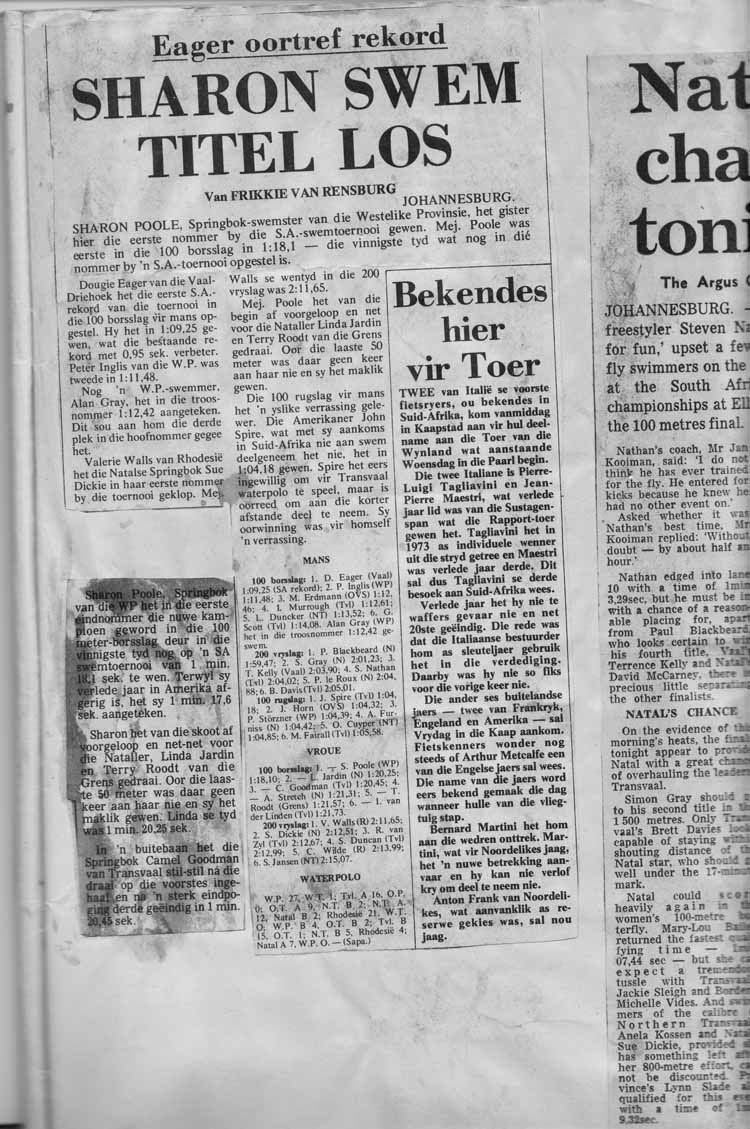
Renamed for famous local swimming coach Rachael Finlayson, the iconic Beach Bath was a 100-yard-long saltwater swimming. It was the venue for a number of world record swims by Karen Muir, Ann Fairlie, and Penny Heyns. Over the years, it has evolved into a freshwater pool. 

Rachael Finlayson pool from Tricia

Read more about the Rachael Finlayson Pool →

118. Durban Swimming Enclosure

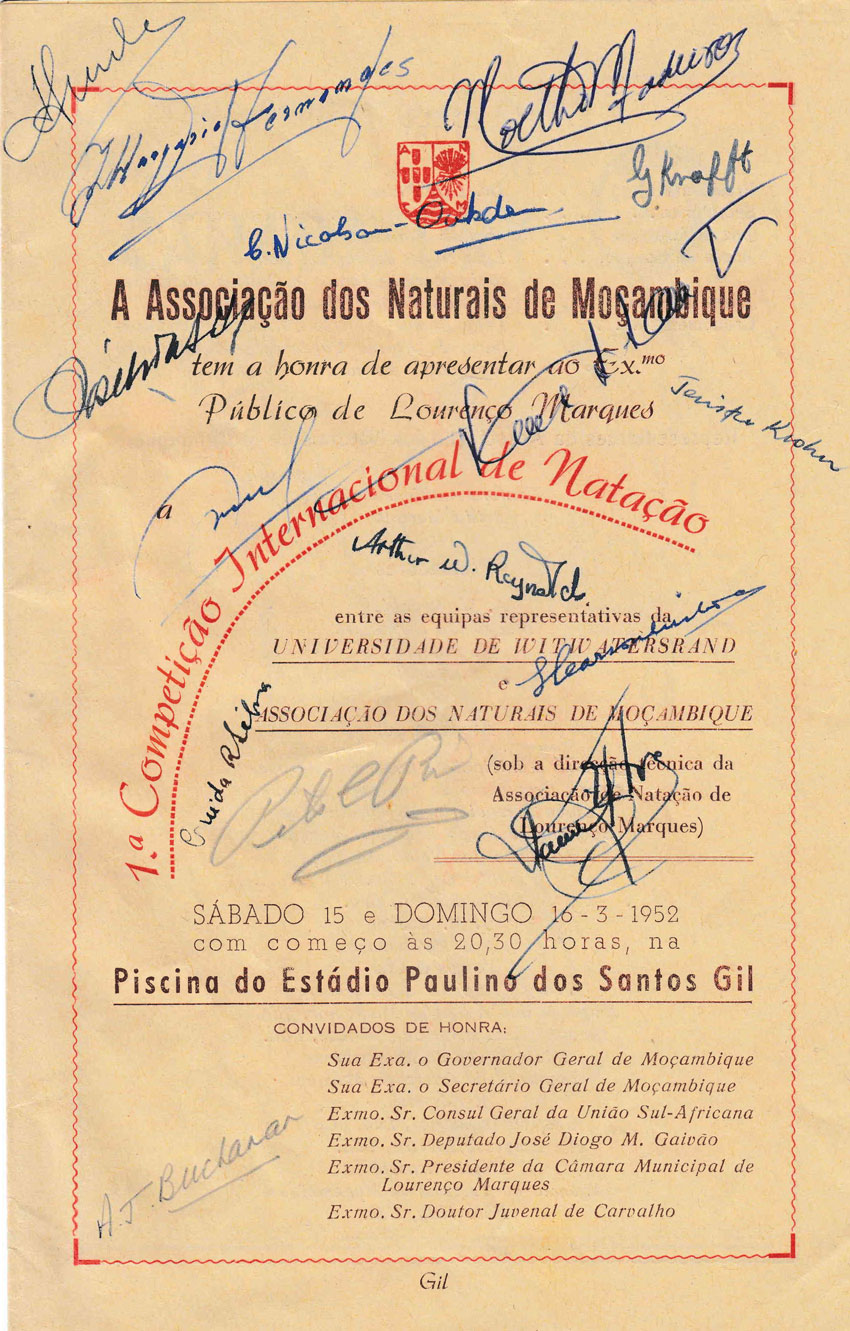
Tidal pools are built to provide a safe swimming space. Besides the dangers created by rip currents and waves, swimmers in the sea have always been exposed to the risk of shark attack. In Durban, the chosen solution was using nets to create a large enclosure in the surf where sharks could not enter. A similar solution was used in Portuguese Mozambique at the Polana Hotel → 

"In 1906 Fletcher proposed a high level esplanade stretching from Bell St (Point) through to a point near the Umgeni mouth (now Marine and Snell Parades), secondly a 1500 foot lower marine promenade, reclamation of the beaches and provision of bathing areas and public gardens. His plan included four enclosed bathing options, of which only one was adopted. This was a semi-circular steel netted enclosure combining a promenade and a safe bathing area. The enclosure was a safe guard against shark attacks and dangerous currents. As an interim measure public access to the beach was made by clearing an opening at the bottom of West St. The Ocean Beach project was commenced in 1907. The bathing enclosure had a radius of 300 feet and its depth was 6 to 8 feet at low spring tide. The project commenced with the installation of the bathing enclosure and levelling and developing that part of the lower esplanade roughly from the Model Dairy (now demolished) to South Beach. Paddling ponds and retaining walls and rockeries were also put in."

Whaling started off Durban about 1907, and that drew sharks into Durban Bay mouth where the whaling slipway was. Whaling boats dragging bleeding, harpooned whales from out at sea, sometimes two or three at a time, would surly have led sharks to the Durban beach area. But the reason for the enclosure was that Durban's "Main" beach was previously along the Esplanade in the harbour. It was closed in 1905 because of harbour development. The enclosure was eventually removed in 1928 after a particularly heavy storm and high seas

Read more about the Polona Hotel enclosure→

119. Umdloti Tidal Pool

The first tidal pool along the Dolphin Coast lies some 27 km north of Durban at Umdloti. The tidal pool at Umdloti Beach opened in 1957. It was constructed as an artificial concrete seawall augmentation of the existing natural offshore rocky reef, helping to create a safe, protected swimming area for visitors.

The first 16 coastal holiday plots were created in 1895, and the township was established in 1932. 

120 - 125  Balito

Balito was established in 1954, and by 1964, town planning incorporated residential zones, hotels, and a caravan park stretching from Willard Beach to Salmon Bay. There are six tidal pools along the coast in Ballito, which were described in a marketing brochure with the slogan "Buy, Build & Play at Ballito Bay, The Caribbean of the North Coast – Natal".

Shaka's Rock and Salt Rock are two smaller towns north of Balito that have grown and merged into the greater Balito township. Each has a tidal pool. Basil Hullett (grandson of sugar pioneer Liege Hulett) and Gwen Hulett developed Salt Rock in the 1930's.

North of Salt Rock are two more resort towns with tidal pools - Tinley Manor and Blythdale.

  • 120

  • 121

  • 123

  • 122

  • 124

  • 125

120. Rock Pool, Ballito

Rock Pool in Ballito. 

121. Granny's Pool, Ballito

Granny's Tidal Pool is a safe, shallow, rock gulley. It forms a natural swimming pool protected from the waves. (note: some other local tidal pools are also sometimes online named as Granny's Pool - I'm sure the locals will know which is which)

122. Willard Tidal Pool

A small tidal pool at the northern end of Willard Beach.

The Dolphin Coast (or “North Coast”) refers to a section of scenic coastline just north of Durban, in KwaZulu Natal. It boasts dozens of beautiful “tidal pools”, small rocky pools at the coast that are filled with seawater.

https://www.snorkeling-report.com/spot/snorkeling-tidal-pools-south-africa/ 

123. Thompsons's Bay Rock Pool

The Thompson’s Bay Rock Pool (officially known as Charlie’s Pool) is an iconic, Olympic-sized tidal pool located in Shaka's Rock. Built in 1962, the pool was a monumental community effort spearheaded by Charles "Charlie" de Charmoy, a successful French-Mauritian sugarcane farmer.

The 1940s brought a wave of French-Mauritian families to the region from Mauritius. Many of them established sugar cane farms along the north coast. Among these settlers was Charles (Charlie) de Charmoy, who arrived from Mauritius at the age of 15. He would go on to become a highly successful sugar cane farmer. In the 1940s, he constructed the Chaka’s Rock Hotel, situated across the road from where Salt Café now stands.

Charlie wanted a safe, wave-free environment where families could swim in the ocean without dealing with dangerous riptides. In 1962, Charlie, his sons (Roland and Cyril), and his sons-in-law (Maxime and Michel Robert) took it upon themselves to engineer and construct the pool. Working alongside their farm labourers, the family spent seven weeks manually mixing and laying approximately 2,000 bags of cement right into the natural rock face. The final product was an engineering marvel for its time, measuring a massive 106 metres long and 30 metres wide.

Today, Charlie's Pool is celebrated as a pristine marine sanctuary. Because the high tide naturally flushes and cleans the pool twice a day, it has developed a thriving ecosystem. It is a premier destination for safe snorkelling, where visitors regularly swim alongside lionfish, parrotfish, trumpet fish, and live branching coral reefs. 

The first image predates the 1964 tidal pool.

124. Chaka's Rock Tidal Pool

To create safe, shark-free swimming zones amidst the wild Indian Ocean currents, developers began building concrete walls across natural rocky gullies.

The pool is classified as the local Marine Protected Area. Following a rise in illegal poaching of marine species like parrotfish, the local Ballito Urban Improvement Precinct (UIP) and community groups stepped in to actively monitor and preserve the pool's biodiversity. 

A group of Chaka’s Rock residents have banded together to protect their tidal pool after the poaching of the much-admired school of parrot fish at Chaka’s Rock tidal pool on Saturday afternoon. A Chaka’s Rock resident said she saw four men helping themselves to the almost tame fish, but as a woman living alone with her grandchildren, she was afraid to approach the poachers.She alerted other residents but they did not arrive in time. The entire school has been removed from the pool.

https://www.coastkzn.co.za/2020/06/chakas-rock-locals-band-together-as-more-parrot-fish-poached-from-thompsons-bay-tidal-pool/

ParrotFish

125. Salt Rock Tidal Pool

The Salt Rock tidal pool was built in the 1940s by sugar cane farmer and township developer Basil Hulett. It was developed alongside the Salt Rock Hotel and surrounding infrastructure to serve hotel guests and residents, offering safe, shark-protected swimming, and it remains a popular, large tidal pool. There is still a popular caravan park next to the pool.

126. Tinley Manor Tidal Pool

The last functioning tidal pool along the South African North Natal coast is at Tinley Manor. The pool was concrete-engineered directly onto the rocky intertidal shoreline. This design uses the daily high tide to naturally flush out, clean, and replenish the pool with fresh seawater twice a day. 

The beach and its immediate facilities have achieved Blue Flag status, cementing strict modern standards for water quality, safety, and environmental management around the pool zone. South Africa has 50 beaches with Blue Flag staus in 2025.

127. Blythdale

Blythedale Beach is widely known for its unspoilt shoreline and warm Indian Ocean waters, but its specific tidal pool facilities have recently been described as "broken down" and poorly maintained. While the beach remains popular for long walks, birdwatching near the Umvoti River mouth, and swimming in the surf under the watch of lifeguards, those specifically seeking a functional tidal pool experience often visit nearby alternatives.

While the main beach is protected by shark nets and monitored by lifeguards, the strong waves and steep shoreline can make deep swimming in the open ocean challenging.

  • Hits: 2421

Natal South Coast

Tidal Pools of the Natal South Coast

The northern border of the Transkei is at the Umtamvuna River, which today also serves as the border between the Eastern Cape and KwaZulu-Natal.

Across the river lies Port Edward, where on the 8th of June 1552, the Portuguese galleon São João ran aground at what is now Port Edward. This is noted as the first recorded encounter between Europeans and southern Africans

The Natal South Coast has been a popular holiday destination since colonial times. This is reflected in the large number of small towns and tidal pools found between Durban and Port Edward. The Natal South Coast Railway brought holidaymakers to the tidal pools and beaches. The remains of the rails are still visible, as it was built close to the shoreline. 

Click here to see the whole map

79. Palm Beach Tidal Pool

Located just north of Port Edward, Palm Beach is known for its wide sandy stretches, tidal pools, and rocky outcrops. The tidal pool is a large, natural swimming spot, ideal for safe swimming and snorkelling. 

80. Trafalgar Beach Tidal Pool

Unfortunately, the tidal pool is silted up. But the beach promises a lot! There is no more perfect beach than Trafalgar's Blue Flag Beach to get away from the massive crowds.

Trafalgar Beach has unbelievably warm waters and makes for the perfect swim if you aren't a fan of those cold ones! You'll practically be swimming in a warm, oversized hot tub! Lifeguards are on duty at this blue flag beach throughout the year. Although other facilities are limited, the beach is super wide and sandy!

81. Marina Beach Tidal Pool

Marina Beach in San Lameer is a Blue Flag beach that is perfect for families.

Known for its cleanliness and safety, you can expect warm swimming waters year-round, along with a tidal pool and lifeguards on duty.

82.  Granny Tidal Pool, Southbroom

The name "Southbroom" was first mentioned in 1908 when the Swedish Zulu Mission took over the mission from the Eyles family. The Eyles family renamed their home "Soutbroom" as a reminder of one of their family homes in England. Frank and Gilbert Eyles, Alfred's two youngest sons proclaimed the village in 1933.

It is a historic tidal pool built in 1937 specifically for the guests of the Southbroom Hotel. While often associated with the hotel, local historical accounts credit Jack Jones (the grandson-in-law of Southbroom pioneer Alfred Eyles) with building the tidal pools at both Southbroom and Marina Beach. The pool is located near the site of the Fascadale shipwreck, a steel barque that ran aground on the rocks seaward of the pool in 1895. The Southbroom Hotel was a landmark until 1984, when it was demolished amidst significant controversy.

Now known as Granny’s Pools because of how safe the pools are for children. There are rocks surrounding the pools that children love to climb and explore. At high tide, the waves come right in!

83. Southbroom Main Beach Tidal Pool

The tidal pool on Southbroom beach was given a facelift in 2014. See the video below. 

84. Noel Tidal Pool, Ramsgate

The pool was built in 1973 by local resident Noel Quarry. She was a pioneer in the town and the owner of the famous Crayfish Inn hotel, restaurant, and pub. Built on the rocky inter-tidal shore, the pool was designed to provide a safe, calm swimming environment. It is naturally refreshed by the changing tides, often bringing in small fish for swimmers to see. It is positioned on the right-hand side of Ramsgate's main beach, near the parking area for the whale watching deck.

85. Margate Tidal Pool

The town of Margate was laid out in 1908 and later developed as a recreational area in the 1920s. The construction of swimming facilities, including tidal pools along the Natal South Coast, occurred to provide safe bathing areas free from sharks and strong rip currents, which are common in the Indian Ocean. 

The tidal pool was used for school swimming and school activities. Residents have described it as a "school pool" during the late 1960s, with memories of it being used for school-related activities.

Swam many kilometers in that pool Had Galas there before Margate Primary had a pool

2026 - For two decades, the once popular tidal pool in Margate on the KwaZulu-Natal South Coast was non-functional but, thanks to the Margate Urban Renewal Project, it has now been restored to its former glory.

86. Margate Olympic Pool

The facility is a 50m x 25m, 10-lane outdoor pool that attracts swimmers year-round. It is the only Olympic-sized swimming pool South of Durban. Historically, the pool was filled with seawater, similar to other coastal pools in South Africa built during that era. These include Orient in East London, Camps Bay, Beach Bath in Durban, and Macarthurs Bath in PE. At some point in its history, the pool was converted to freshwater/chlorinated water. 

It is generally believed to have been constructed in the late 1970s, following the addition of a kiddies' pool in the late 1950s. A major upgrade occurred on the beachfront, including the construction of the new Margate Lifesaving Club and lifeguard house adjacent to the pool.

87. Lucien Tidal Pool, Margate

Founded around 1919, the town is situated roughly 127 km south-west of Durban, and it serves as the vibrant "holiday capital" of the South Coast. 

Lucien Beach, which was named after the Lucien Hotel. The hotel was built by the Van Dongen family, specifically the grandfather of the current descendants, in the Manaba area. It was named in memory of his great aunt, who tragically died in a bombing in Europe during World War

88. Uvongo Tidal Pool

Uvongo has developed from a seaside destination into the largest upmarket residential area on the Lower South Coast of KwaZulu-Natal.

Most tidal pools along the Natal South Coast were constructed in the early 1950s. This was driven by a surge in shark attacks during that era, which led authorities to build protected enclosures for safe sea bathing. The town of Uvongo itself was laid out as a "garden village" by surveyor T.C. Lilliecrona. 

The design of these pools is rooted in British coastal culture, which introduced the concept of "taming" the ocean for leisure and health benefits during the interwar and post-war periods.

89. St Michael's-on-Sea Tidal Pool

The town was established as a quiet holiday resort destination, famous for surfing, fishing, and a 9-hole golf course. It is widely recognised for its Blue Flag status, highlighting the beach's pristine nature. 

90. Shelly Beach Tidal Pool

There are two tidal pools on Shelly Beach. The largest is the Metropole Beach pool, which is the historical name for what is today known as the Shelly Beach Tidal Pool. In decades past, the beach was often called "Metropole" after the Metropole Hotel that once overlooked the shore before being demolished in the late 1960s

Safe swimming (with shark nets), beachcombing (shell collecting), and lifeguards on duty make this beach ideal for families.

The second pool is further east, at the other end of the beach. 


91. Shelley Beach

92. Port Shepstone Tidal Pool

The tidal pool is simply put, huge!  Have a look at the right hand corner of the pool where the life guard is paddling to get a better understanding of how big it really is.  The pool is divided into three sections; the big pool with two smaller pools at the end of it.

The Port Shepstone Tidal Pool is one of the oldest and largest man-made tidal pools in South Africa, with its origins dating back more than a century. The pool is divided into three distinct areas: a large main section for distance swimming and two smaller, shallower sections specifically designed for children.

  • Early Construction: Records indicate that a tidal rock pool existed at Port Shepstone as early as 1923. The pool was part of a broader movement in South Africa to create "tame" swimming spots for holidaymakers.
  • Expansion & Safety: Many South Coast tidal pools were significantly upgraded or built in the early 1950s following a series of shark attacks along the Natal coast, which heightened the demand for protected bathing areas.
  • Town Growth: The development of the pool mirrored Port Shepstone's rise as a premier holiday destination, often compared to Blackpool in England. Its popularity grew alongside the town's maritime history, including the arrival of Norwegian settlers in 1882 and the construction of the iconic black-and-white checkered lighthouse in 1906. 

93. Umtentwini Tidal Pool

Known locally as the Granny Pool (a common name for South African tidal pools!), it has served generations of families.

94. Southport Tidal Pool

The Southport Tidal Pool at high tide. 

95. Anerley Tidal Pool

The pool was constructed in the early 1950s as part of a regional beach-improvement initiative, providing a safe, sheltered swimming spot, often used by local scouts for badge testing

96. Sunwich Port Tidal Pool

The tidal pool was filled to the edge with sand after a very energetic spring tide, turning it into a shallow pool that is ideal for smaller children.  Over time, some of the sand was washed away as the tides came and went and it is around hip height at the deeper side now.

97. Banana Beach Tidal Pool

98. Pumela Beach Tidal Pool

The tidal pool seems to have been abandoned.

99. Umzumbe Tidal Pool

The tidal pool has served as a centre for family holidays for generations at the Pumula Hotel. It is situated on what was once part of the "Ararat" farm, owned by Lady Charlotte St Claire Moor in the 1920s. 

100. Hibberdene Beach Tidal Pool

The tidal pool is at the Mercury Hibberdene Children's Holiday Home, which provides free holidays and life-skills programmes for underprivileged and destitute children. Established in 1930 by The Mercury newspaper during the Great Depression, it was designed to bring joy to children from impoverished families across KwaZulu-Natal

101. Mtwlune Tidal Pool

Mtwalume itself evokes an era of "simpler coastal retreats". The village was once a stop on the "Banana Express," a narrow-gauge steam train that historically transported local produce and holidaymakers along the South Coast.

102. Ifafa Beach Tidal Pool

Modern development began in the mid-1800s with the Goldstone family. Samuel Goldstone, a stonemason and Byrne settler from England, established himself in the area in 1851 after an unsuccessful farming venture near Richmond.

103. Botha House Tidal Pool

Botha House Overview

Botha House, located in Pennington, Natal, was built in 1920 by Sir Frank Reynolds as a "beach cottage" for South Africa's first Prime Minister, General Louis Botha, and his wife Annie. It included a nearby tidal pool created by blasting rocks in 1920.

The entries dated June 1918, November 1918 and January 1920 are extracts from Sir Frank Reynolds' diary: 
June 1918 “Before June ended, a surveyor named Hall was at work on the new project (Umdoni Park), and helped Sir Frank select a good place in the rocks at the sea’s edge for a swimming pool. Carl Hall was a civil engineer and surveyor of great ability. He was son-in-law to Bishop Bousfield, first Bishop of Pretoria.”
November 1918 - “Hall came again in November to lay out the swimming pool.”
January 1920: “Down at the swimming pool the ladies’ dressing room had been in hand for some two weeks, and the last rocks blasted away to allow high tide to fill the pool.”
9 January 1937 - An extract from a letter written by Annie Frances Bland (Emmett) Botha about the tidal pool: - "I hear you have had nice rain - & here we are almost crying for rain - only the sea is happy, it makes such a noise! The pool has been cleaned out & now it has become quite deep – but the crabs & fishes & all kinds of goggas have disappeared - so when Louis comes again, he will have to fish in the sea - but you can both bathe in the pool."
And so the Umdoni Point tidal pool came about long before the Royal proposed visit in 1952!

104. Pennington Tidal Pool

The town boasts a rich history dating back to the late 1800s when the Pennington family pioneered farming in the area. Later, Sir Frank Reynolds, a prominent sugar magnate, transformed part of the land into Umdoni Park, named after native water myrtle trees. This park gained fame for hosting South African prime ministers in a seaside mansion, originally intended for a visit by British King George VI in 1952.

105-107. Park Rynie Tidal Pools

There are three tidal pools on the beach at Park Rynie, which was established in 1857. The town was named by John Phillip Hoffman, a partner in the firm Nosworthy & Co., which purchased the original farm in 1858. He named it after his wife, Catherine Renatta Hoets, whose nickname was "Rynie".

During World War I, Park Rynie became a significant maritime hub with the establishment of a whaling station at Rocky Bay, operated by Park Rynie Whales Ltd. Remnants of this era, such as a stone pier and breakwater used by whaling and fishing craft, are still visible today.

During the apartheid era, specific tidal pools at Park Rynie Beach were indeed reserved for different racial groups, with some designated specifically for Indian South Africans. Under the Reservation of Separate Amenities Act of 1953 (and its 1960 amendment extending to the "sea and seashore"), South African beaches and their facilities were legally partitioned by race. In Park Rynie, this resulted in a geographic divide of its tidal pools: 

  • 105 - Park Rynie Main Beach Pool: A third pool existed on the main beach between the northern and southern locations.
  • 106 - Southern Pool: Located near the area historically known as Preston (a traditionally white neighbourhood), this pool was reserved for white bathers.
  • 107 - Northern Pool: This was located in the traditionally Indian part of Park Rynie and was the primary tidal pool for that community.

Park Ryne 1


106. Park Rynie South Tidal Pool

Park Ryne 2


107 - Park Rynie Northern Tidal Pool

Park Ryne 3

108. Scottburgh Tidal Pool

In 1860, Scottburgh became the first substantial township laid out south of Durban and named after Sir John Scott, the then Lieutenant-Governor of Natal. It initially served as a port for sugar exports and a base for fishing fleets near the Aliwal Shoal.

109. Umkomaas Tidal Pool

As early as 1905, Umkomaas was described as the "gem of the South Coast". It was then, given ideal conditions, a drive of about two hours from Durban on the old main road, crossing the river at the punt at the Drift. 

The tidal pool at the former Umkomaas Hotel, which is now known as the Lodge.

110. Winkelspruit Tidal Pool

On 10 May 1875, the schooner Tonga was wrecked off the coast while carrying goods to Durban. To avoid losing the cargo, sailors set up a makeshift shop on the riverbank to sell the water-damaged wares. In Afrikaans, "winkel" means shop and "spruit" means stream, leading to the name Winklespruit.

As of May 2026, the Winklespruit Tidal Pool is currently closed due to long-standing infrastructure damage.

111. Baggies Beach Tidal Pool

Formally located at Warner Beach, it is primarily a natural tidal rock pool. Unlike many of South Africa's man-made concrete tidal pools built for safety in the 1930s or 1950s, this pool is naturally formed. It is a popular site for exploring marine life, including sea urchins and inquisitive fish.

Warner Beach has a deep-rooted surfing culture, having produced world-class surfers and serving as the host site for the Baggies Surf Pro. Historically, the beach and its tidal pool area have been major viewing spots for the annual Sardine Run in June and July, attracting thousands of visitors to the shoreline.

112. Chain Rocks, Amanzimtoti

The name comes from a heavy chain that was once stretched across a gully between two rocks to provide a safety handhold for bathers in the early 20th century. Posts made from old railway lines were concreted into holes drilled into the rocks to anchor these chains.

This particular spot became a favoured local bathing area, with the rocks providing a suitable gully sheltered on either side. With the increase in beachgoers, the need for a safety mechanism to prevent drowning arose.

The anchoring of the chains in the water posed a rather tricky task. Corrugated water tanks were cut in half and floated out to the desired position, then filled with concrete and the chains were set in these. The aim of the chain was to prevent bathers from being washed out to sea, as it could be held onto.

However, the chains did not stop local residents from being called upon to rescue holidaymakers.

The two Reinbach brothers and a Mr Grainger were often called upon to rescue the stragglers. No one knows the exact date when the chains were fixed into the rocks. The Reinbachs were involved in the project, as well as several other locals. The chains, however, were there when Noel Wright arrived in Amanzimtoti in 1926.

https://www.citizen.co.za/south-coast-sun/news-headlines/2019/08/11/how-amanzimtotis-chain-rocks-beach-came-by-its-name/ 

113. Inyoni Rocks Tidal Pool

The Goodwill Hotel on the Amanzimtoti beach was particularly active from the 1930s through the early 1970s, before it was demolished, like many other similar establishments along the coast. 

It had a swimming pool on the Inyoni Rocks.

amanzimtoti 1941 Goodwill Hotel

That tidal pool was upgraded to the current facility, as shown in a hotel marketing brochure.

amanzimtoti 1941 Goodwill Hotel 2

The most recent upgrade, before its demise.

amanzimtoti 2

Unfortunately, the tidal pool is now derelict. 

amanzimtoti 1

amanzimtoti 4


114. Isipingo Swimming Pool

The historic town of Isipingo, home of the renowned Natal soldier named Dick King, who died there in 1871, was a small British village with a church, a mission school, two inns and two shops. The Isipingo Beach Golf Club opened in March, 1916. There was a 25m swimming pool on the beachfront, as well as a tidal pool known as the Tiger Rock pool.  Local legend suggests the beach and its rocks were named after a shipwreck off the coast; rumour has it the ship was carrying exotic animals, and a tiger managed to swim ashore. 

The Dakota Beach swimming pool is a historic landmark that dates back to the early 1920s. Originally built as a recreational facility for the small British seaside settlement, it has evolved through decades of significant social and structural changes. In 1973, a Boeing DC-3 Dakota aircraft crashlanded on the beach, giving it the name. 

115. Tiger Rocks Tidal Pool

: Built in the 1920s, the pool was originally shallow. In an attempt to deepen it, a visitor from Johannesburg used dynamite at the bottom. This cracked the structure, causing it to leak and making it difficult to hold water afterwards.

116. Brighton Beach Tidal Pool

The Brighton Beach Tidal Pool is the last south of Durban. It was completed and officially opened in 1938. The pool was commissioned by the Durban City Council as part of a development to enhance the local area for recreation. At the time of its opening, it was considered a grand project and was notably floodlit to allow for evening use. 

Bluff brighton beach

  • Hits: 2673

East London

East London Tidal Pools

John Bailie, one of the 1820 Settlers, surveyed the Buffalo River mouth and founded the town of East London there in 1836. The city formed around the only river port in South Africa. The existing port, in the mouth of the Buffalo River, began operating in 1870.

Note: The FAST southward-flowing Agulhas Current, when combined with the prevailing strong south-westerly winds, creates rogue waves in the deep sea near East London. In 1909, the SS Waratah disappeared here, with 211 people on board, leaving no trace. 

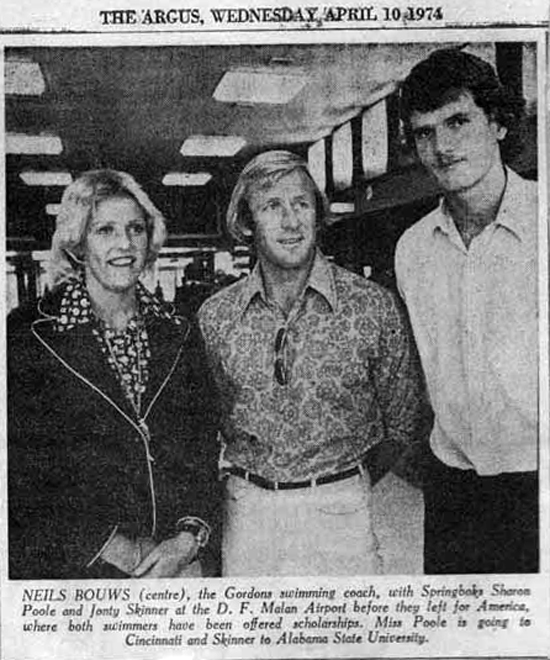
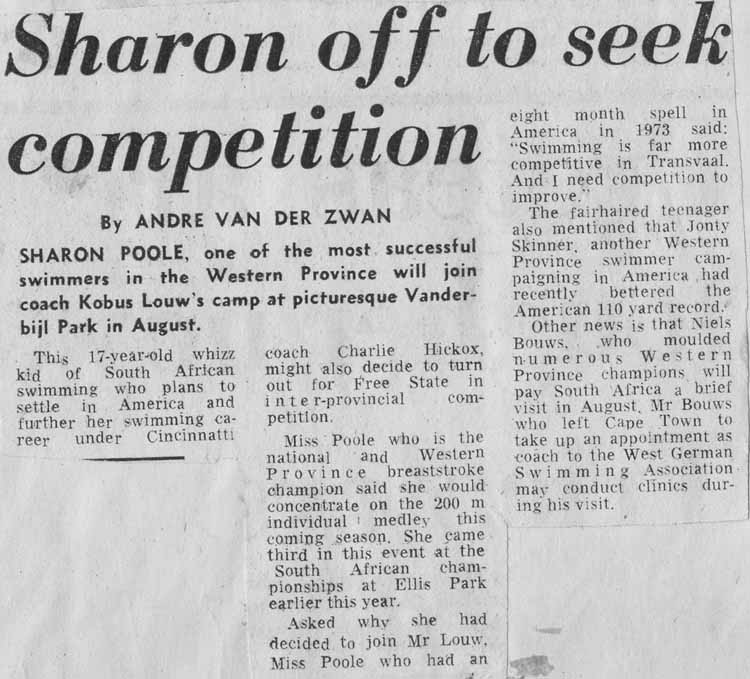
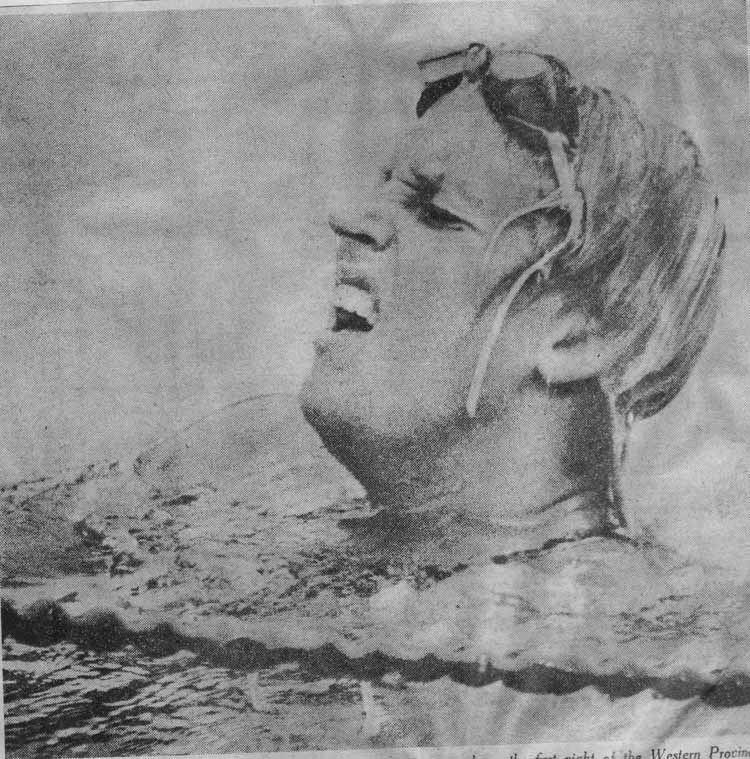
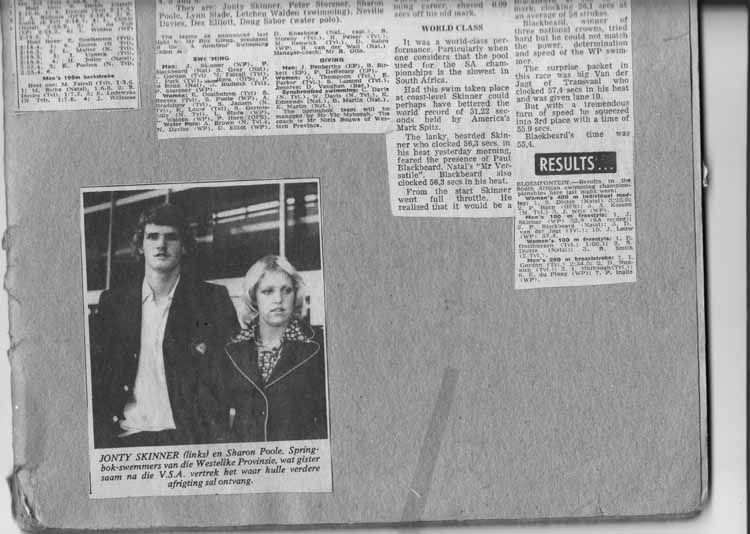
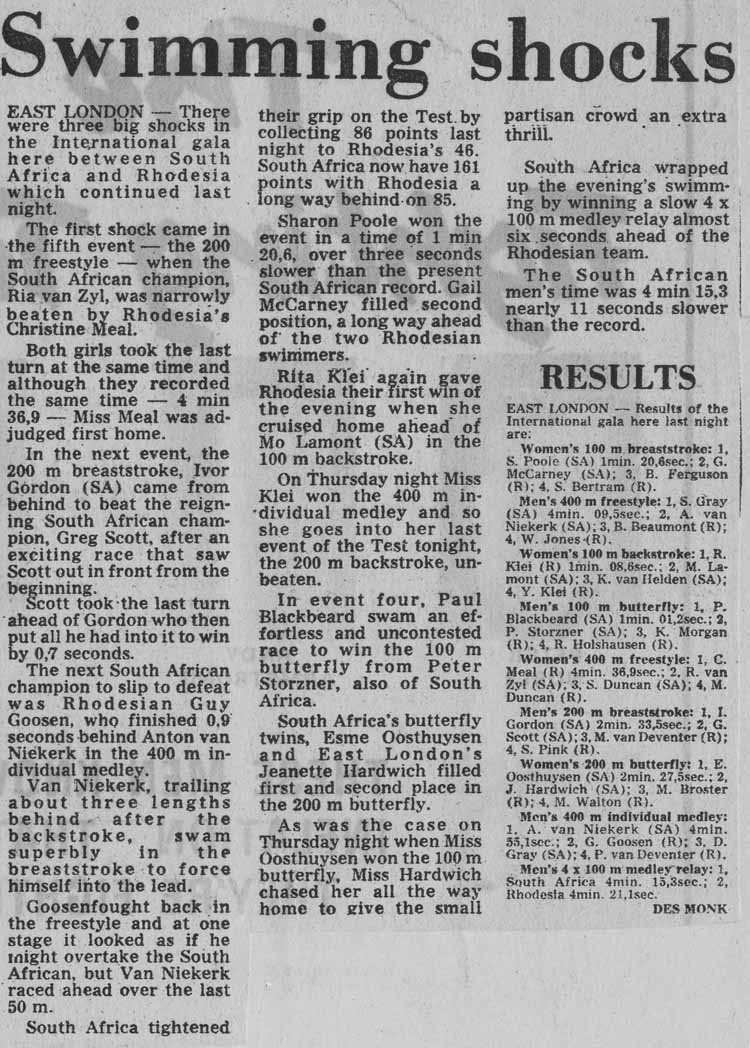
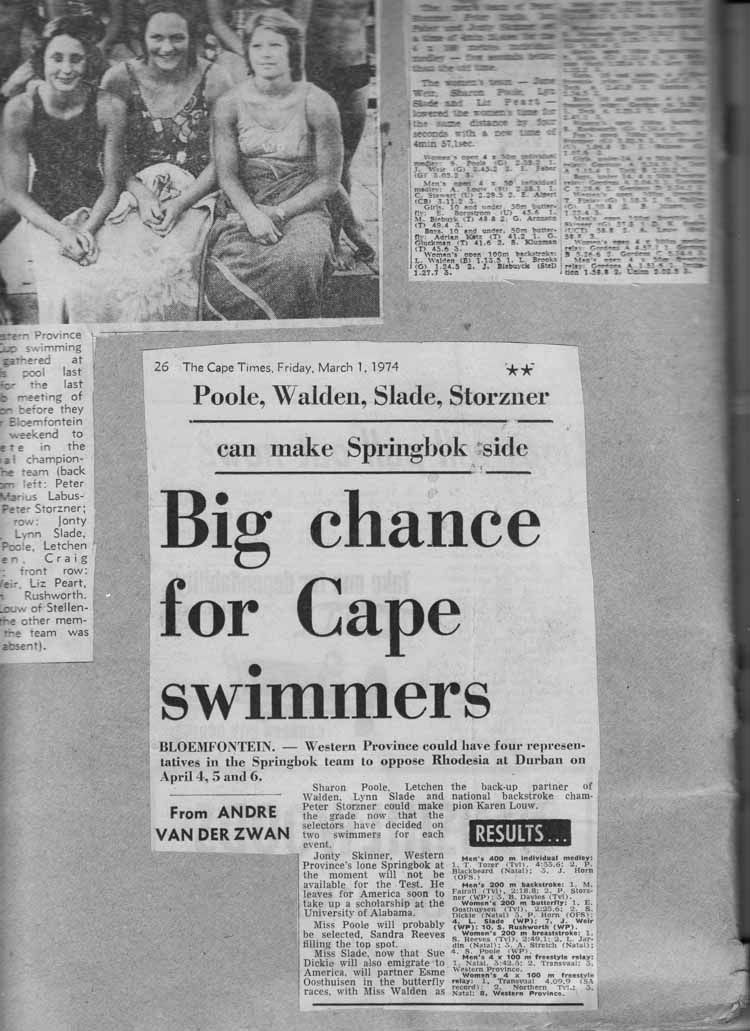
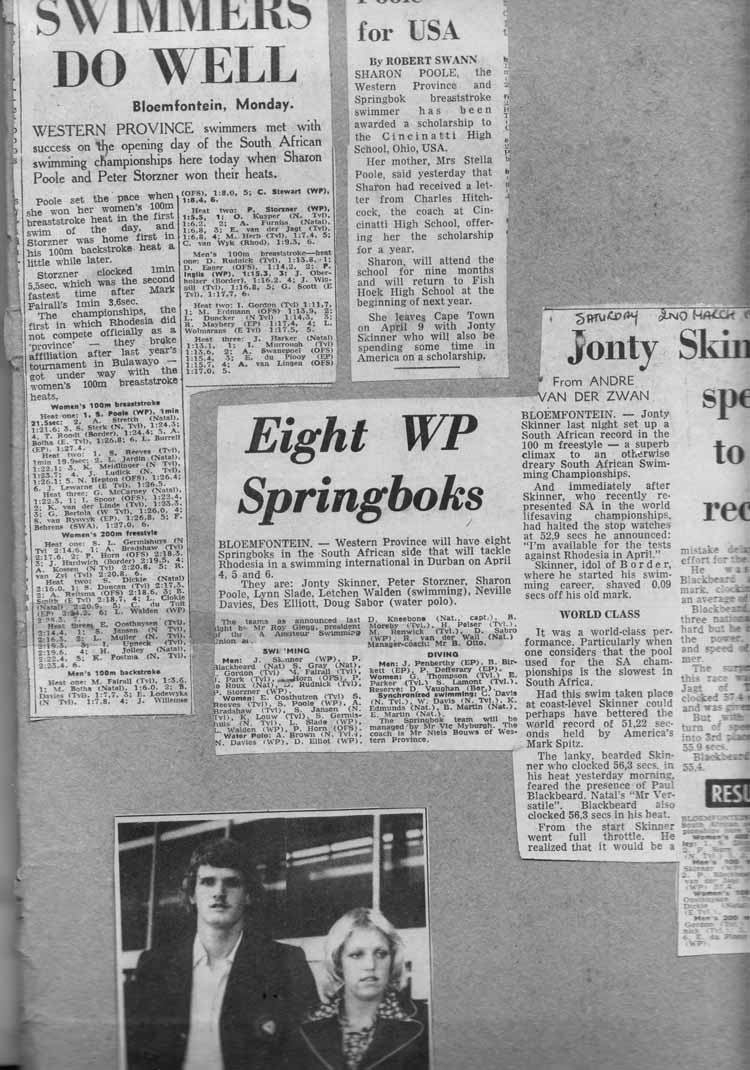
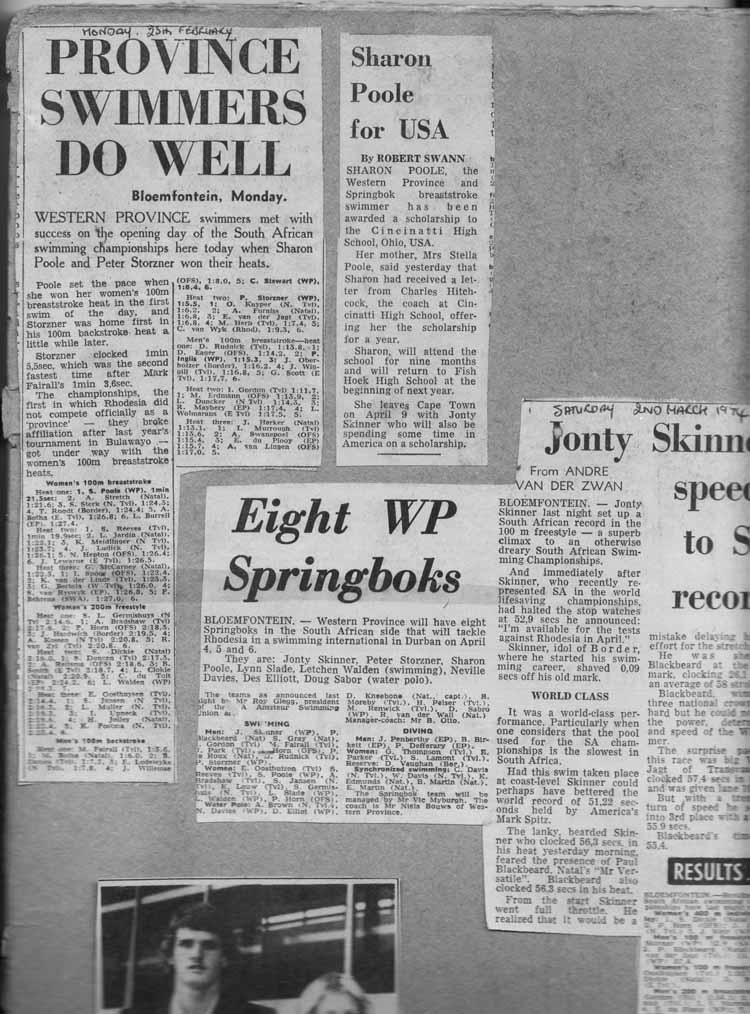
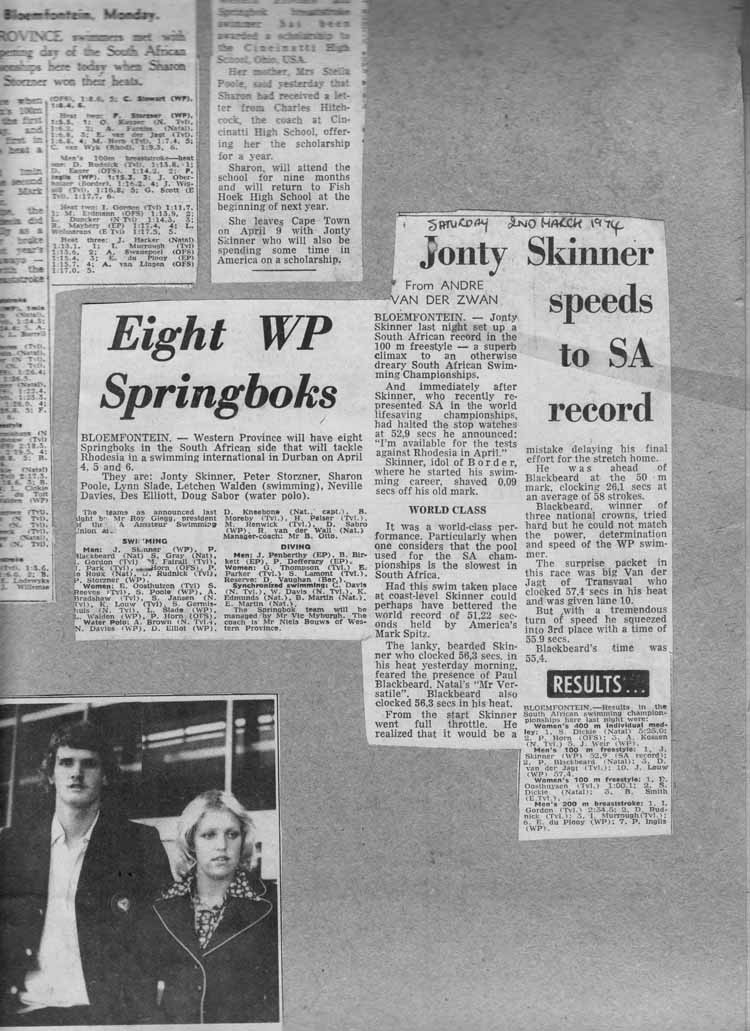
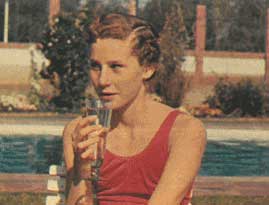
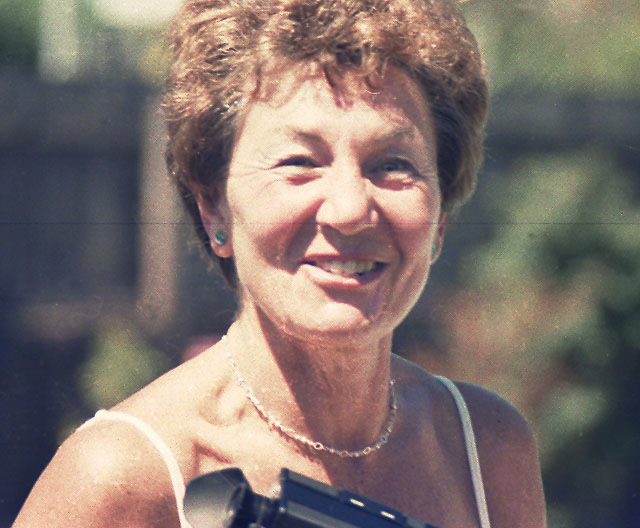
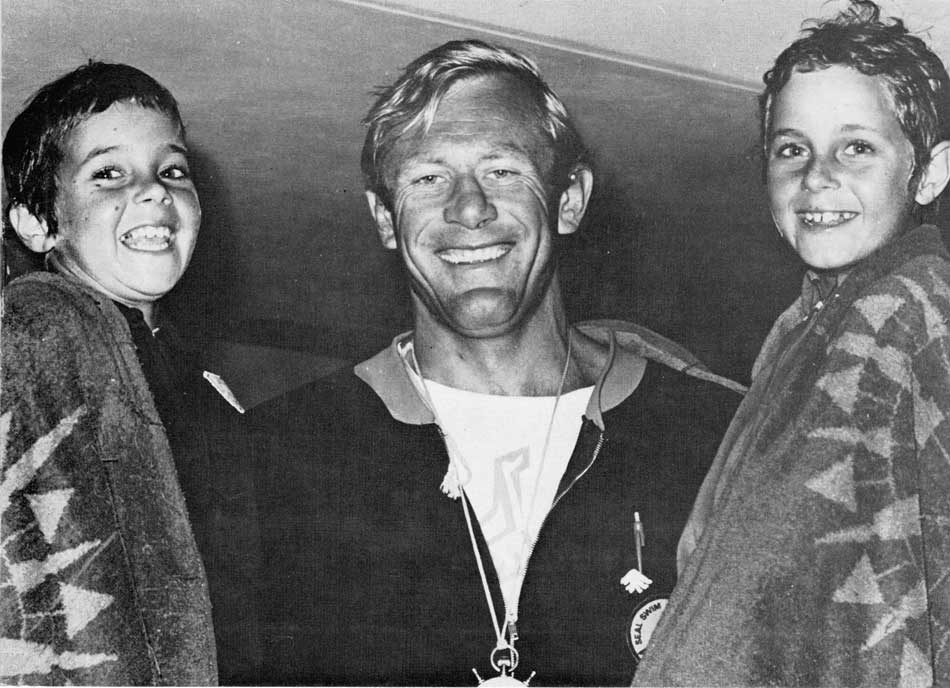
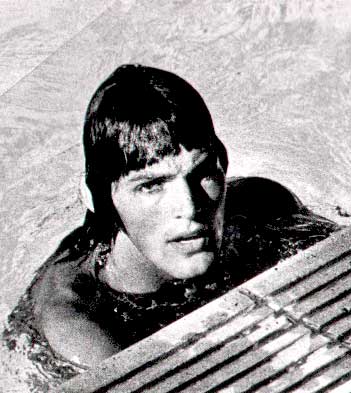
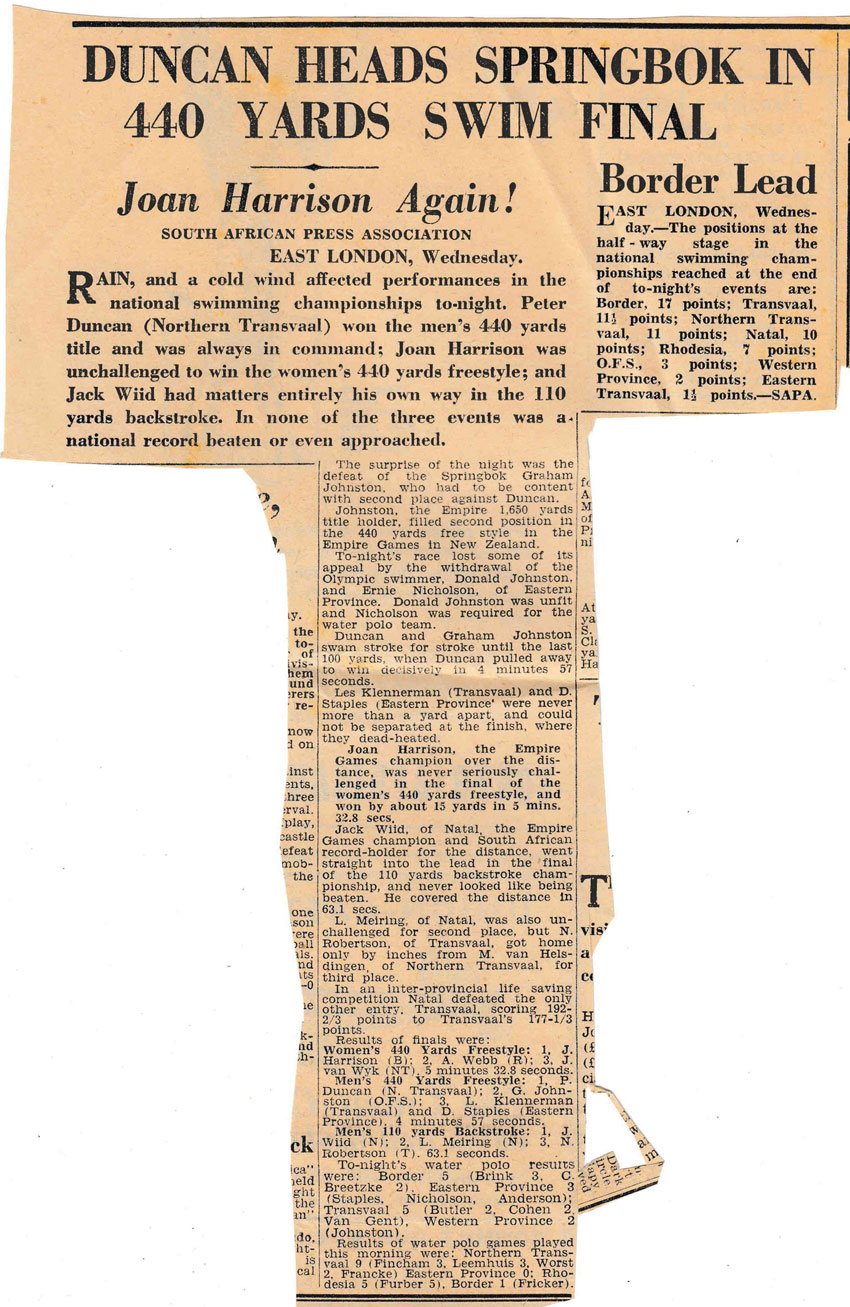
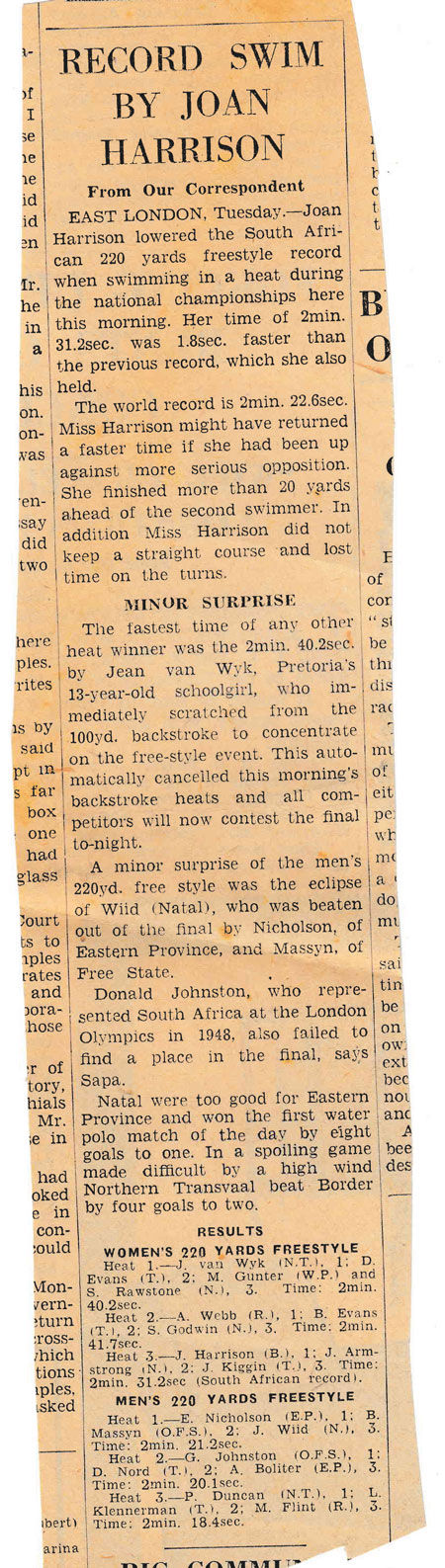
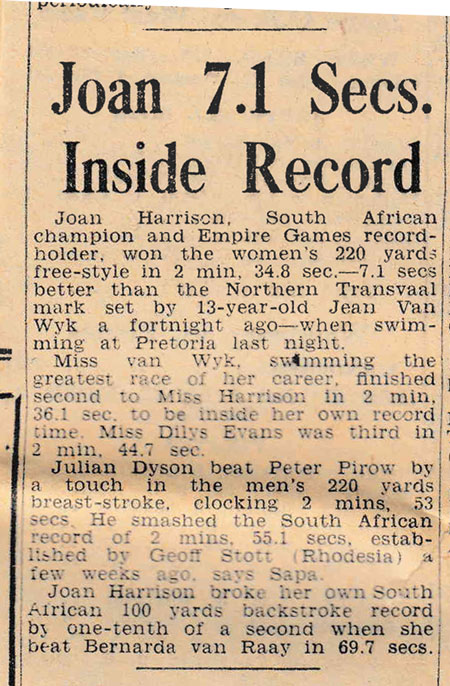
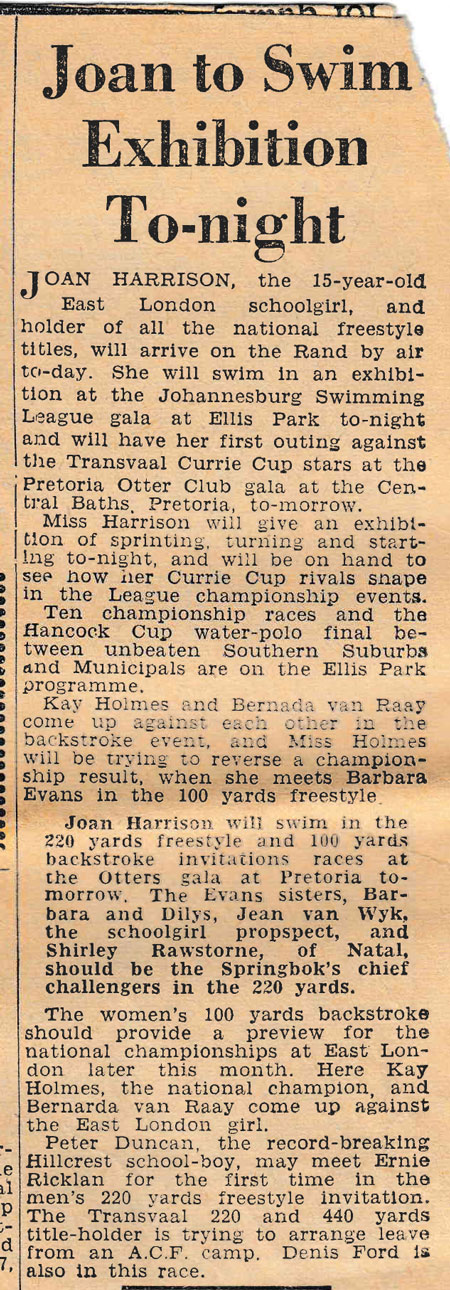
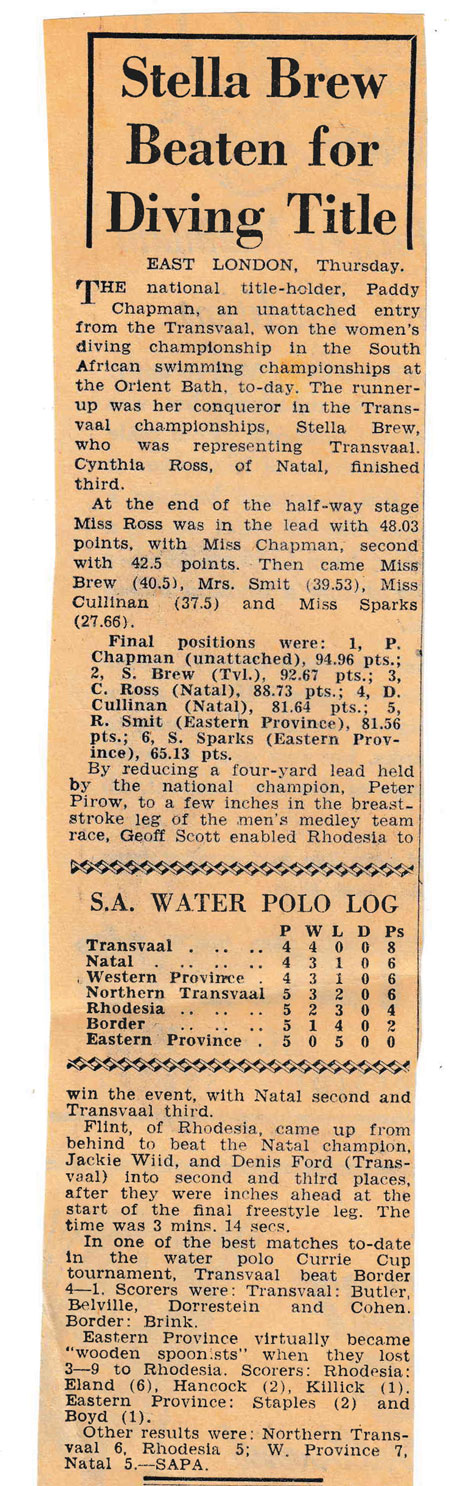
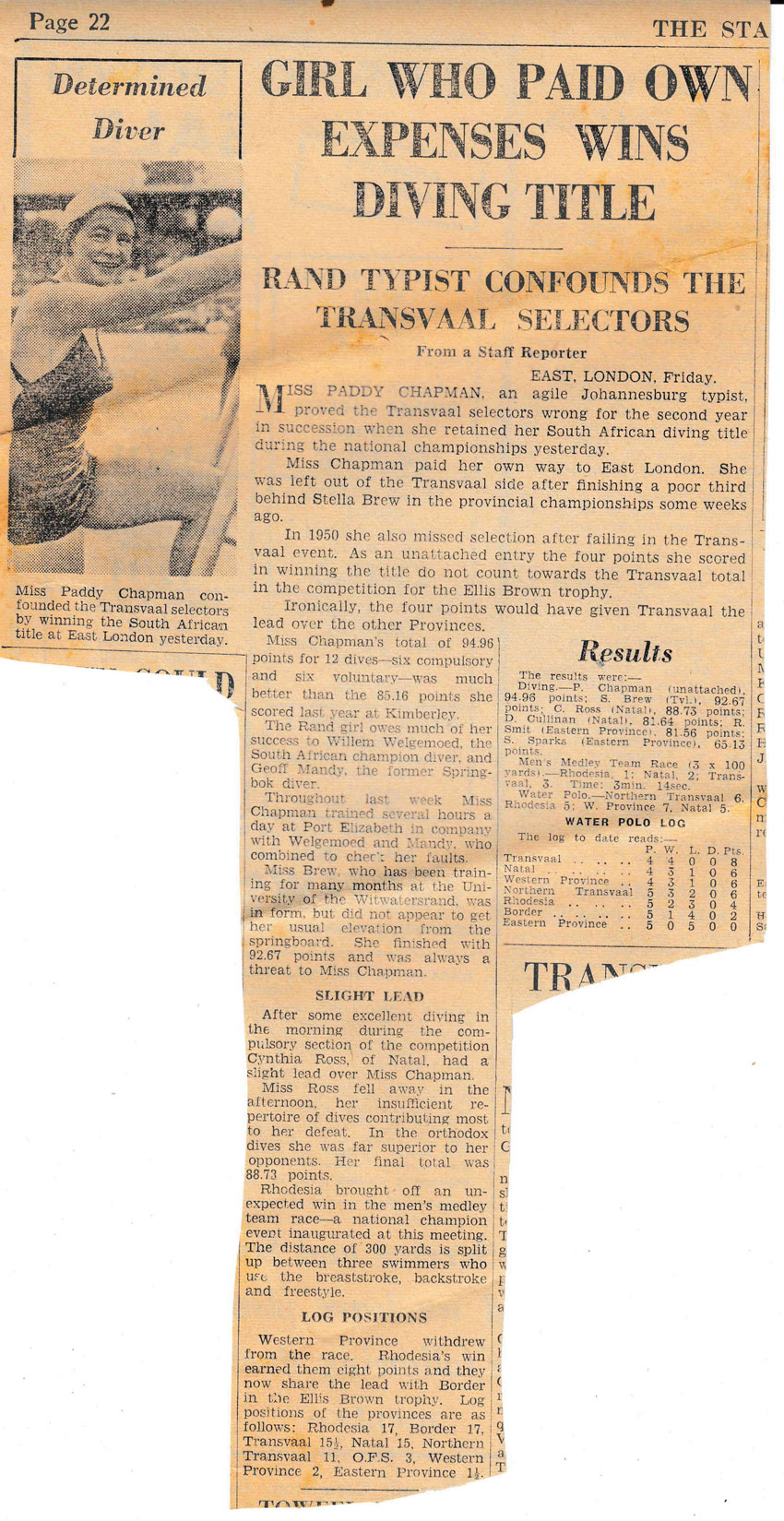
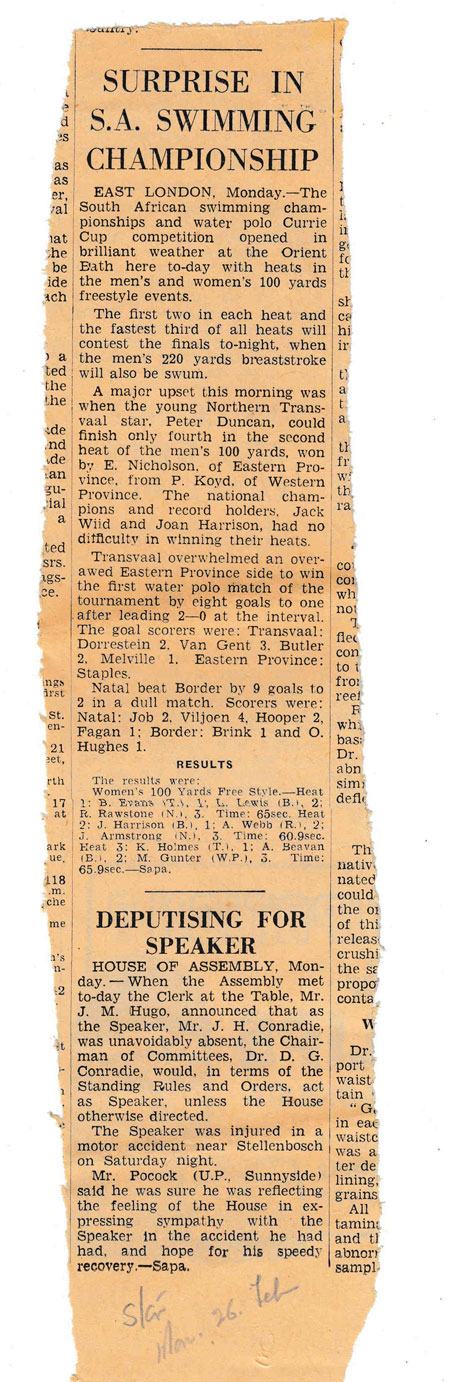
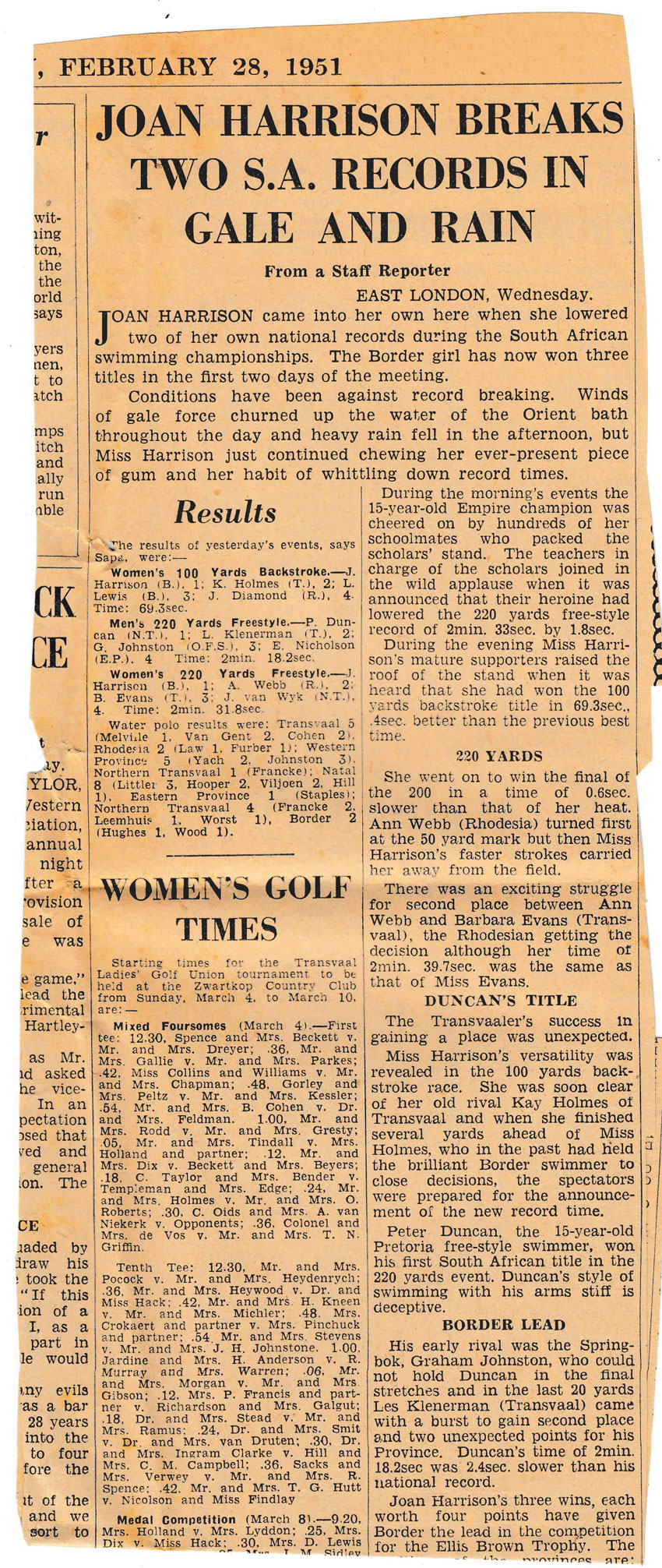
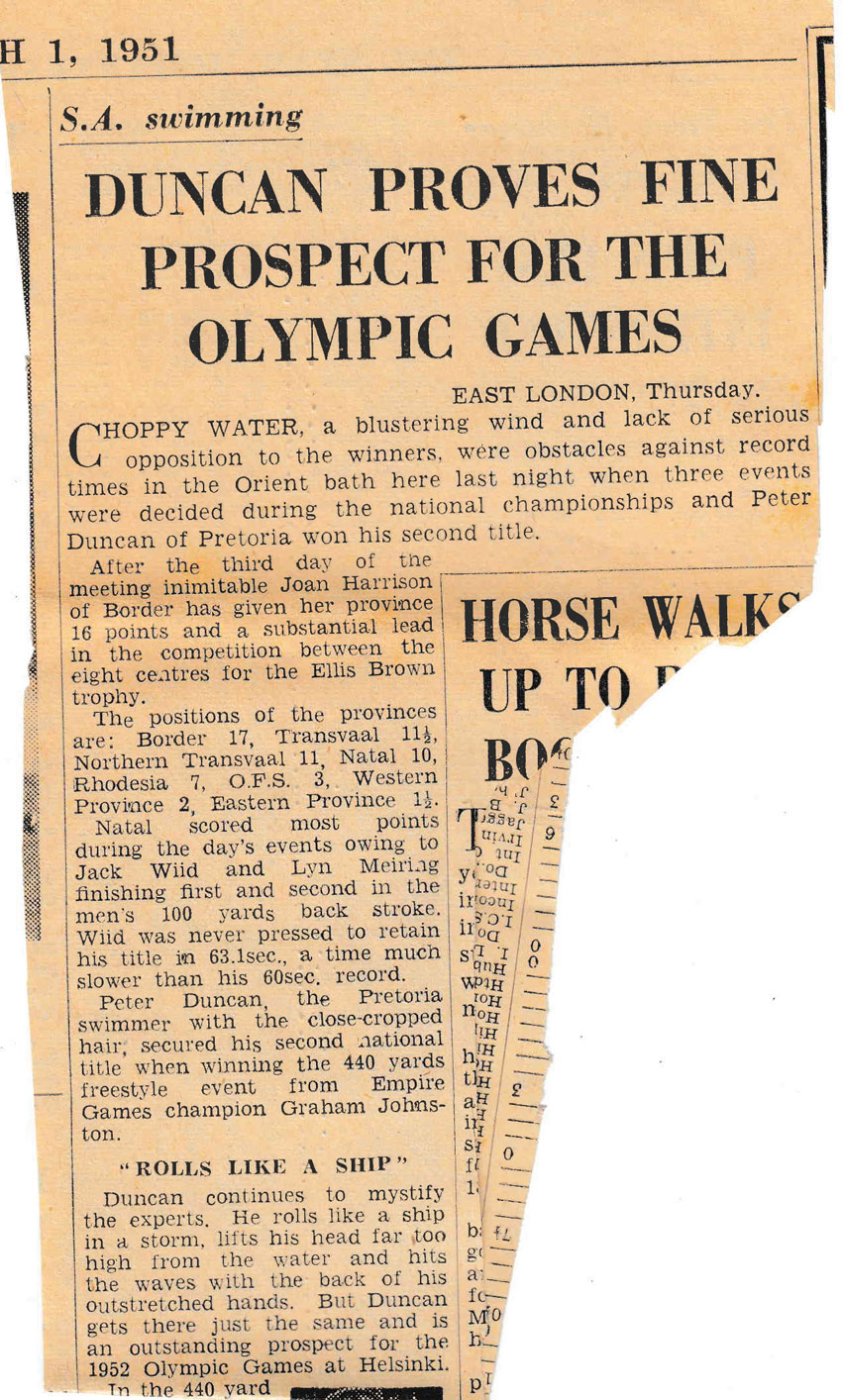
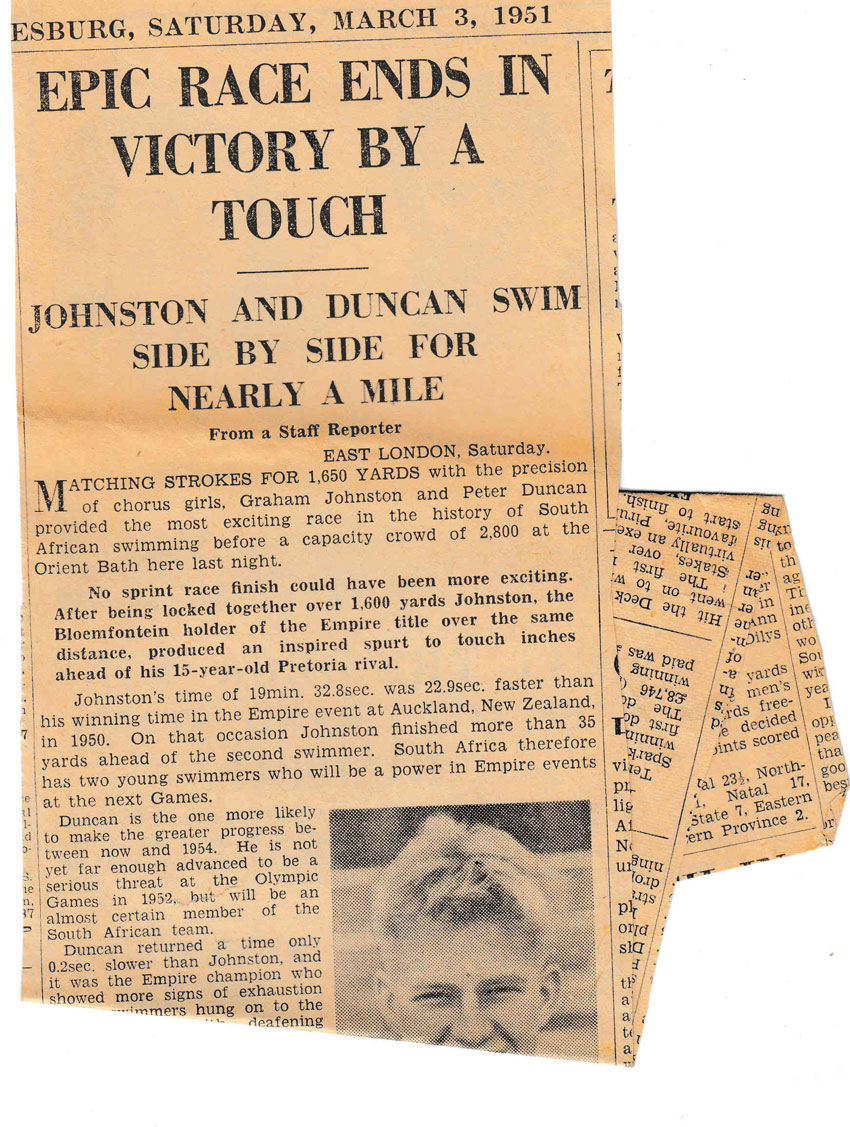
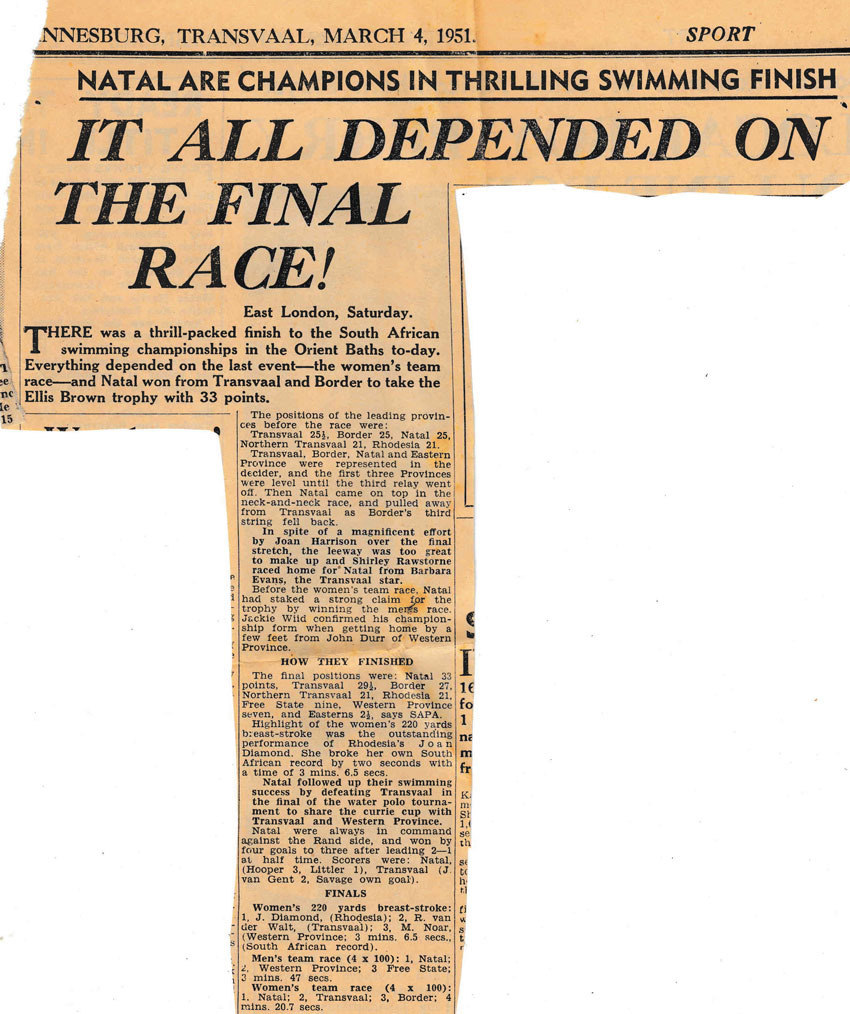
East London is the largest town in the Border Province, although it is home to two world-champion swimmers. Local girl from Clarendon GHS, Joan Harrison, won a gold medal at the Olympic Games, and in 1976 Jonty Skinner, who graduated from Selbourne College, set a world record for the 100m freestyle. Both swimmers would have spent hours in the Orient Bath Tidal Pool. 

70. Kidd's Beach Tidal Pool

Kidd’s Beach, a small coastal resort town (about 28km west of East London), originated in the 1860s as a small coastal holiday retreat for farming families from the interior, named after Charles Kidd, a former mayor of King William’s Town.  

By 1870, the area was under the control of the Forestry Department. Farmers were granted permission to congregate there at Christmas, living in tents and "skerms".

In 1960, Escom arrived, and street lights were installed, and many houses were lit by it. A watch scheme was considered, but it was too expensive. Under the jurisdiction of the Divisional Council, each year has seen some notable improvements.

In 1963, a fine tidal pool was opened by Mr Edgar Glass, Chairman of the Council, within a stone’s throw of the car park and in full view of the Tearoom. This pool greatly enhances the appeal as a holiday resort. Read more about the history of Kidd's Bewach here →

71. Leach Bay Tidal Pool

Leach Bay is likely named after a member of the Leach family, who were prominent early settlers and landowners in the East London area. The tidal pool is close to the Grand Prix race track, where the South African event was held between 1934 and 1939, and the F1 Grand Prix from 1962 to 1965. These events made East London and Leach Bay an international stage. No doubt the tidal pool provided safe swimming for the many spectators to the motor racing events held there. 

Alas, today it is an abandoned facility. 

72. Water World Tidal Pool

The Water World facility was a municipal project that failed. 

73. Orient Bach Tidal Pools

The municipal pools were built on the rocks next to Orient Beach. The bottom image is today. 

This beach boasts two exceptional pools with thrilling slides – the Quanza pool, a little further east, is perfect for older kids as it is deeper, while the Orient Beach pool provides equal enjoyment in a safer environment.

74. Orient Beach Bath

In 1904, the municipality constructed a pair of bathing pools on the rocks at the spot where the MV Quanza had run aground in 1872. The pools would be known as the Quanza Pools. They were constructed as a result of an initial accident. The Town Engineer was experimenting with explosives and had blasted a great hole in the rocks at that point. Water immediately rushed in, and the resulting pool became a popular place for women and children. 

The pool was twice used to host the South African swimming Championships.

Read more →

75. Beach Hotel - Aquarium

The Beach Hotel was the first to open along East London's Esplanade in 1894, including its own Beach Pool. The Beach was replaced by the Kennaway Hotel in 1964, and today the East London aquarium uses the former beach pool.

76. Gonubie Tidal Pool

There is also the lavish riverside area, which is a popular tourist destination. Gonubie main beach is a beautiful sandy beach with an international-standard boardwalk. In 2010/11 Gonubie Beach was awarded the prestigious Blue Flag beach award. The river is a great spot for activities like canoeing and kayaking.

77. Chintsa West Beach Tidal Pool

Another small coastal resort town. 

78. Haga Haga Tidal Pool

This is the last tidal pool before the start of the Transkei coast and Port Edward. 

Haga Haga’s history dates back to the early 20th century. In the early 1920s farmers from inland areas like Stutterheim would trek their livestock to the coast for winter grazing, often staying in ox wagons or tents. 

Read more about the Haga Haga Hotel and also here →

  • Hits: 1546

Southern Cape

Tidal Pools of the Southen Cape

The coastline eastwards from Cape Agulhas is a mixture of steep rocky sections between long sandy beaches. The area is largely either privately owned farms or nature reserves, accessible by a few roads leading down to the coast from the N2 national road. From Mossel Bay, the famous Garden Route follows the coast to Port Elizabeth. 

Despite the lack of tidal pools built along the coastline, just about every small settlement boasts a slipway for the launching of sports fishing boats, perhaps reflecting the priorities of the regular visitors to the area.

Along this stretch of coast, there are numerous rock fish traps, which some consider the work of pre-colonial inhabitants, though no evidence supports this

There are also several significant archaeological sites, such as Blombos Cave (Stilbaai), which is famous for yielding the "world’s oldest known drawing"—a cross-hatched design in ochre dating back 73,000 years. The caves at Pinnacle Point at Mosselbaai were occupied 164,000 years ago, and the Robberg Caves at Plettenbergbaai.

45. Witsand Tidal Pool

After Agulhas, the next road from the N2 to the coast ends at the resort town of Witsand, at the mouth of the Breederivier.

Witsand’s history dates back to 1831, when the British colonial government granted the land to Captain Benjamin Moodie. The town, named after its white sandy beach, has been known as Witsand since at least 1867. Initially a fishing haven, it officially became a town in 1951 as more people built cottages.

On the opposite bank, in a small settlement named Infanta, where English is the dominant language, it is popular with Cape Townians. Witsand (Afrikaans for White Sands) is a predominantly Afrikaans town, drawn from the local farming community. 

Known as "South Africa's whale nursery," the area is famous for land-based sightings of southern right whales between June and November.

46. Jongensfontein swemgat

Located at the end of the road from Stilbaai, the town of Jongensfontein dates from at least 1762, when it first appeared in official records of the Cape Colony. The early growth of Jongensfontein pre-1960 was haphazard and unplanned, although growth happened slowly and thoughtfully, with homes spaced out to protect the open landscape and uninterrupted ocean views.

The swemgat is a natural tidal pool that provides a swimming space, as the beach is prone to strong currents and rip tides. 

Jongensfontein swemgat 1

Jongensfontein swemgat 2

47. Jongensfontein Tidal Pool

1916: The farm was subdivided, granting property rights to 31 individuals.
1920s: Construction of mud and reed holiday homes began, marking Jongensfontein’s transformation into a holiday destination.

In 1960, the Cape Provincial Administration became aware of the arbitrary manner in which the town had grown when 38 owners of ground and houses attempted to have their ownership registered. The Township of Jongensfotein was proclaimed in 1970. 

The tidal pool is opposite the municipal caravan park. 

48. Neliesgif

The name translates to Nelie's Gift, referring to the fact that the farm was given as a gift - gif in Dutch. The farm produces 230 000 bushels of thatch annually. The owner had the pool built for his wife. 

Oom Tienie Botha, hieronder links was die eienaar van die Neliesgif.  Dit was sy strandhuis. Hy het in die Paarl gewoon, in Sinagoge straat. Al die huise in die straat en twee koshuise het aan hom behoort. Sy eerste vrou was n Engelse lady en dis Vir haar wat Hy die swembad laat bou het, Om haar voete te baai.

https://www.facebook.com/groups/411118035737550/user/100001183341005/ 

Neliesgif

49. Gouritsmond Tidal Pool

The modern settlement began as a fishing outpost in the 1700s, and the town was officially established in 1915. The river remains famous for fishing, with the second-largest Cob population in the country.

Like many small coastal holiday "towns", for decades, the town remained nearly hidden. It benefited from restricted access only via a route involving 25 manual gates. The first tar road was only constructed in 1983, finally opening it up to more visitors. It is also somewhat famous as being near the South African Government nuclear testing site, which was decommissioned. 

In 2025, Gouritsmond has quietly become one of South Africa’s most unusual semigration hotspots. Despite this growing interest, about 80% of the town’s 411 houses stand empty for most of the year. Gouritsmond’s safety is one of its biggest attractions. With only around 800 permanent residents, the town remains far removed from the security concerns seen elsewhere in the Garden Route. 

“It’s very safe here. Most of the Garden Route has seen lots of people moving down, and crime is moving with them. But not here. We don’t have crime.” 

https://businesstech.co.za/news/property/846142/new-semigration-hotspot-in-south-africa-where-80-of-houses-stand-empty/

50. Vleesbaai

Vleesbaai is a private beach village situated on the Garden Route, approximately 35 km west of Mossel Bay. The modern history of Vleesbaai can be traced back as far as 1601, when stormy weather forced the Dutch mariner and explorer Paulus van Caerden to seek refuge in the protected bay now known as Vleesbaai.  He was so pleased with the well-fed livestock which he was able to trade from the local inhabitants that he named it “Vleys Baeye”, the Old Dutch word for Vleesbaai, directly translated into English as “Bay of meat”. By the late ninteenth century holiday-makers from as far as Calitzdorp began to visit Vleesbaai for their holidays. They camped near the freshwater fountain at the Tarka ravine and came with donkey-carts and ox-wagons, often accompanied by chickens, sheep and even milch-cows to supplement their food supply. These visitors can be considered as the first proverbial “Vleesbaaiers”.

Vleesbaai Tidal pool

Vleesbaai Tidal pool 2

https://en.wikipedia.org/wiki/Vleesbaai 

51. Die Poort, Mosselbaai

The town of Mosselbaai (or Mossel Bay - mossel meaning mussel in Afrikaans) is today best known as the place at which the first Europeans landed on South African soil (Bartolomeu Dias and his crew arrived on 3 February 1488).

Die Poort is a natural gully found below the cliffs under the Cape St Blaze lighthouse. 

For generations, the town’s children have learned to swim in this tidal pool where chains and ropes have been secured to assist swimmers when the surging high tides cause strong currents to wash down the alley The pool has a smooth sandy bottom and the water of the Indian Ocean is mild, perfect for almost year-round bathing. It is deep enough for diving except at low tide. Swimming in the Poort’s live water, protected from the open ocean by the walls of rock with breakers thundering a stones’ throw away and showers of spray leaping in the air within sight is a rare sensation only to be experienced on a holiday in Mossel Bay. Martin Ras photography

For generations, the town's children have learned to swim in this pool where chains and ropes have been secured across the pool to assist swimmers when the surging tides cause strong currents to wash down the pool. Blougat (Blue Hole) lies at the upper end of the tidal pool and is a much deeper pool than the first, this giving it its deep blue colour and thus its name. It is here in this pool that the local children have learnt to dive to this day.

52. Mossel Bay Paddling Pool

Conveniently located near vibrant restaurants and entertainment options. A great spot for families, where parents can keep an eye on little ones while enjoying the lively atmosphere.

mossel bay pool

53 +54. Reebok  and Tergniet Tidal Pools

There are two tidal pools built on Reebok Strand, named after the two dorpies of Reebok and Tergniet.  Located between the Klein Brak Rivier and the Groot Brak Rivier, Tergniet (together with the adjacent village of Reebok) likely developed from the ‘Old Klein Brak’ village, the settlement in the middle of the Klein Brak River floodplain, which would have been a historic crossing point.

Reebok and Terniet lie between Klein Brakrivier and Groot Brakrivier, two of a handful of beachside holiday hamlets of Mossel Bay. These towns tend to run into one another, functioning more as suburbs of Mossel Bay. Historically, Mossel Bay has functioned as a holiday town for inland farmers, and the tradition continues in places like Tergniet and Reebok, although if car number plates are anything to go by, visitors are from across the country.


Tergniet (do not tease)

55. Skulpieshoek, Heroldsbaai

There are two tidal pools at Herols Bay. This one is the smaller, located at the end of Beach Road, approximately 150m from the main tidal pool. It has a dedicated braai area allocated for public use.

56. Heroldsbaai

The first house in Heroldsbaai was built in 1895 for Matilda Howitson of Blanco, which was originally an 18th-century timber outpost for the Dutch East India Company. Although it was first known as Sandstrand, in 1823 it was named after the first vicar of George, Tobias Johannes Herold, a keen angler. At first, it was mainly George and people from the immediate vicinity who camped here. The waves are a popular playground on hot days.

Across from the Stella Maris Chapel, John Urban and the George Divisional Council had a large tidal pool built for swimmers in 1935. The first photo shows summer holiday campers, before the houses were built. 

57. Victoria Bay

Victoria Bay is a small cove in the Western Cape, South Africa, situated on the Garden Route between George and Wilderness. It is a popular beach for surfers, consisting of a right-hand reef-like wave which rolls over small boulder-like rocks for about 200m. A 2019 article described Vic Bay (as it is locally known) as being "well known as the best right hand point break in the Southern Cape". District and National surf competitions are often held at Vic Bay, and despite its small size, Vic Bay is a well-known and much-visited spot.

World-class surfing to be seen at Vic Bay

Monday, 17 June 2019

GARDEN ROUTE NEWS - Local surf break Victoria Bay will host a high-profile professional surfing competition this month. Top international athletes will face off against our best local talent in the Vic Bay Classic from 20 to 22 June. 

It will be the first time in 25 years that Victoria Bay has featured on the South African World Surf League Qualifying Series.

George Municipality stepped in to support the City Surf Series event after the cancellation of the Zigzag Durban Surf Pro in May. "This is an excellent opportunity to showcase our local surf break," says tourism manager Joan Shaw. "Victoria Bay is clean and safe and well known as the best right-hand point break in the Southern Cape. The event will be streamed online, and viewers from all over the world will see our world-class surf break. We are proud to support the event and trust it will provide a welcome boost for surfing tourism in George."

Over 100 competitors will face off in men's, women's and pro junior divisions in the inaugural event. Local pro surfer Bianca Buitendag is a confirmed entrant and hopes to use the event as a stepping stone to the WSL Championship Tour. 

Other competitors expected include local surfing icons Sean Holmes and David Pfaff, as well as internationally rated J-Bay athletes Dylan Lightfoot and Matthew McGillivray.

The surfing competition has been warmly welcomed by the local surfing association, Eden Surf Riders.

"The Vic Bay Classic is a great opportunity to host a professional tournament and to have world-class surfers in our bay," says Eden Surf Riders chairman Robert Pollock. "Events such as this help young South African surfers to raise their standard and earn points towards the Championship Tour. We are proud to have been offered nine wild card entries and we can't wait to see how our local chargers fare against international competition.".

Ocean safety and education
In addition to world-class surfing action, spectators can expect a menu of ocean safety and educational events. City Surf Series and Surfing South Africa will host a community beach clean-up as well as a waste reduction workshop. 

The NSRI is set to host an ocean awareness campaign.

Over 500 guests are expected at Victoria Bay over the three-day tournament, including international surfing competitors, coaches, family members and local spectators. "We are confident that this world-class event will have significant economic benefits for George," says Economic Development manager Pedro Oliphant. 

The Vic Bay Classic is officially supported by George Municipality's economic development division and is backed by George Tourism. "We are delighted to showcase George as a city for a sustainable future," Oliphant says. 

"The event is a welcome addition to the calendar, falling over the winter season, which is usually is a quiet period for tourism. We trust our visitors will savour George's quality lifestyle, scenic beaches and spectacular coastline."

https://www.knysnaplettherald.com/Sport/Article/Water-Sport/world-class-surfing-to-be-seen-at-vic-bay-201906130900

  • Hits: 2243